




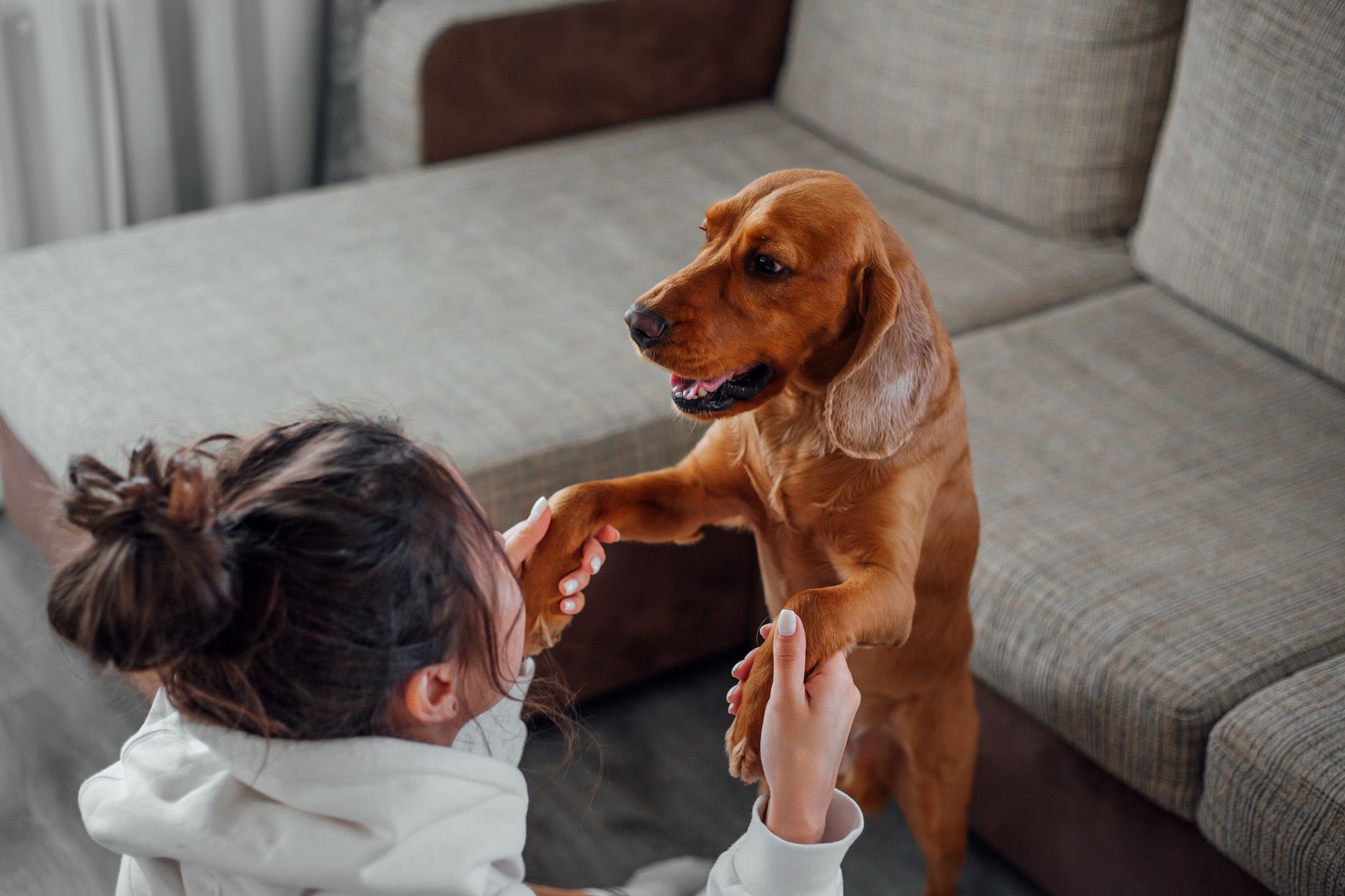
Sarah watched her golden retriever Max stare at the soundboard buttons on the living room table, his brown eyes fixed with unmistakable intention. Three months ago, Max had never heard of pet bonding through technology. Sarah was skeptical, truthfully, another gadget promising to deepen her connection with her dog felt like wishful thinking. But the moment Max pressed the “play” button for the first time and Sarah responded to his deliberate choice, something shifted between them. That single button press communicated more than years of guessing games ever had.
Max’s story is one of countless transformations happening in homes across the country as owners discover the profound impact of pet communication systems. What these devices reveal isn’t that dogs suddenly become fluent speakers. Instead, they illuminate what dog owners have always suspected their pets have agency, preferences and desires they’ve been struggling to express. When a dog can choose to press “outside” instead of scratching the door or select “play” instead of bringing you a toy, the dynamic shifts from interpretation to dialogue.
The Moment Everything Changed Max’s Journey
Before the buttons, Sarah would spend hours trying to interpret Max’s barks and behaviors. Was he restless? Hungry? Anxious? Bored? The guessing game was exhausting for both of them, often leading to frustration when Sarah’s guess was wrong. Max would circle back to the door, then to his food bowl, then to his bed, a doggy Morse code she couldn’t quite crack. The pet bonding she craved felt perpetually just out of reach.
“I wanted to understand him better,” Sarah explains, sitting on her kitchen floor as Max nuzzles her hand. “But I was stuck having these one-sided conversations where I’m always the one making decisions.” That changed when FluentPet buttons arrived at her house. Within days, Max had learned three core sounds “outside,” “play,” and “love.” Within weeks, he was using them intentionally and strategically, sometimes even in combination, like pressing “outside” followed by “play” to tell Sarah exactly what kind of outing he wanted.
When Communication Becomes a Two-Way Street

The transformation in Max wasn’t just behavioral; it was emotional. He became noticeably calmer, more confident and genuinely joyful. But the deeper change happened in Sarah. “I realized I had been treating our pet communication like a one-way street,” she reflects. “I was the one who initiated everything. Max learned to wait for me to decide when we’d go out, when we’d play, what we’d eat. But the moment he could communicate his preferences back, I saw how intelligent and intentional he really was.”
Sarah isn’t alone in experiencing this revelation. Dog owners around the world are reporting similar awakenings, moments when they truly see their pets as individuals with rich inner lives and genuine desires. The pet bonding that emerges from this mutual understanding is qualitatively different from even the most loving one-directional relationship. It moves from unconditional obedience to something closer to partnership.
Marcus, a beagle owner in Denver, describes the moment his dog Biscuit first pressed the “love” button without prompting. “I was sitting on the couch working and Biscuit just pressed it. He wasn’t asking for anything. He was just telling me he loved me and, ” Marcus pauses, visibly emotional, “, it broke me in the best way possible. I felt seen by my dog in a way I’d never experienced before.”
The Stories Beyond the Buttons
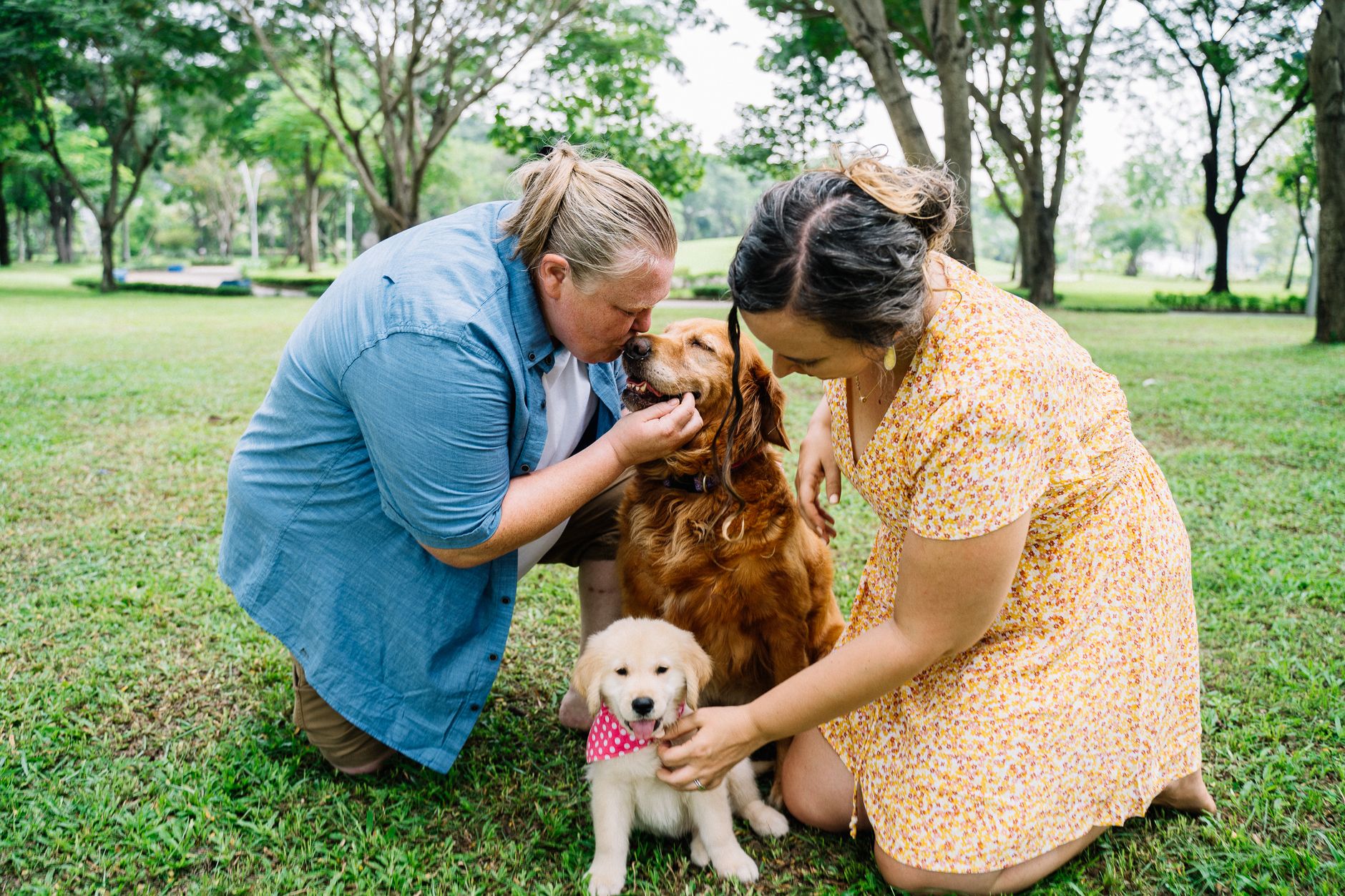
These aren’t isolated instances of animal cognition or clever training. Across the community of owners using FluentPet systems, patterns emerge that suggest something profound about pet communication and pet bonding is happening. Dogs are using buttons in meaningful sequences. Some dogs combine sounds to express complex emotions or desires. One owner reported her dog pressing “sad” followed by “mom” during a thunderstorm, an emotional articulation that moved her to tears.
A rescue dog named Pepper was adopted by a family desperate to help her overcome severe anxiety. Within two months of using pet communication buttons, Pepper had learned to press “help” when she was feeling overwhelmed. Her owners could now intercede before her anxiety spiraled into destructive behavior. The buttons gave Pepper not just a voice, but agency over her own emotional regulation. Her family describes the change as miraculous, but Pepper’s story is increasingly common among rescue dogs given this communication tool. FluentPet
Then there’s the story of Milo and his aging owner, Eleanor. Eleanor had mobility issues that made active play difficult and she worried she wasn’t giving Milo the enrichment he deserved. But when Milo learned to press “pet,” “cuddle,” and “sit,” Eleanor realized that the connection he craved wasn’t athletic play, it was her presence and attention. Every time Milo pressed a button requesting closeness, Eleanor felt affirmed in her ability to be the exact pet owner her dog needed. The pet communication system didn’t change Milo as much as it changed Eleanor’s understanding of what love looks like between a dog and her person.
The Ripple Effects Families Transformed

What makes these stories resonate is how they extend far beyond the human-dog relationship. When Maya, a ten-year-old, watched her dog Rex press buttons to communicate, something clicked. “It made me realize Rex isn’t just a pet,” she told her parents. “He’s a person with things to say.” Her parents watched their daughter’s compassion deepen almost overnight. She started considering other animals’ perspectives, asking questions about their needs and preferences. The pet communication buttons became a gateway to teaching empathy.
Families report that the devices spark conversations about consent and autonomy. When your dog can say “no thanks” by not pressing the play button or say “enough” by pressing a stop command, it shifts how the entire household relates to pet care. Children learn that respecting animals’ boundaries isn’t just kind, it’s how communication actually works.
The emotional impact extends to owners struggling with depression or isolation. FluentPet users describe their dogs actively “checking in” by pressing comfort buttons, a behavior some owners interpret as their pets knowing when they’re struggling. Whether that’s genuine emotional attunement or learned pattern recognition probably doesn’t matter, the effect is the same. An owner feeling alone gets a button press from their dog. Connection happens. Loneliness recedes, however briefly.
What These Stories Tell Us
The through-line in all these narratives is the same pet communication systems reveal what was always true. Your dog has been trying to tell you things all along. FluentPet simply gives them a clearer channel and you a clearer ear.
- Pet bonding deepens when dogs have a voice in everyday decisions, creating partnership instead of hierarchy.
- Dogs show decreased anxiety and increased confidence when they can communicate their needs directly rather than through problem behaviors.
- Families experience ripple effects of empathy when children see their pets as communicative beings with agency.
- Owners report that learning what their dogs actually want, rather than guessing, transforms their sense of partnership and mutual understanding.
- The emotional intimacy created through pet communication is often described as the strongest bond the owner has ever experienced with an animal.
In homes across the country, dogs are pressing buttons and telling their stories. The remarkable thing isn’t that dogs are suddenly becoming eloquent. It’s that their humans are finally listening. And in that listening, in that recognition of their dog’s inner world and preferences, owners are discovering something their dogs have always known that love flows most powerfully in both directions, one button press at a time.