




GPS trackers explained simply are small devices that report a location using mobile networks, letting owners check on a vehicle, a bag, or a family member from a phone or computer. The technology has moved far beyond the bulky black boxes of the past, and modern units are smaller, longer-lasting, and easier to install. This article looks at how the category works in practice and how PAJ GPS structures its range across vehicles, people, and objects.
What GPS Trackers Do and Why They Matter
At the simplest level, a tracker calculates its position and sends that data over a mobile connection to an app or web portal. Owners can then see where an asset is, where it has been, and sometimes receive alerts tied to movement. This matters most when something valuable is mobile and could be lost, misplaced, or stolen, from a car parked overnight to a bicycle left outside a shop.
Demand has grown because insurance, logistics, and personal safety all benefit from knowing a location in real time. PAJ GPS positions its devices around exactly these situations, offering separate product lines for vehicles, people, pets, and general objects rather than a single generic unit. That range is a useful starting point for understanding GPS trackers explained in terms of real-world use rather than abstract specifications.
How 4G GPS Tracking Differs from Bluetooth and Older Technology
Older tracking hardware often relied on 2G networks or short-range Bluetooth, both of which carry real limitations. Bluetooth only works at close range, so it suits finding a lost key in a room, not a stolen car crossing a border. Paj-gps lists both 4G and 2G devices on its site, but its current product catalogue is built mainly around 4G hardware.
The practical difference for an owner is coverage and responsiveness. A 4G device can report a position across dozens of countries, whereas Bluetooth tracking is confined to a small radius around a paired phone. For anyone comparing options, this distinction is one of the clearest parts of GPS trackers explained as a topic, since it separates short-range convenience gadgets from genuine location-tracking hardware.
Vehicle Tracking with Paj-GPS Hardwired and OBD Finders
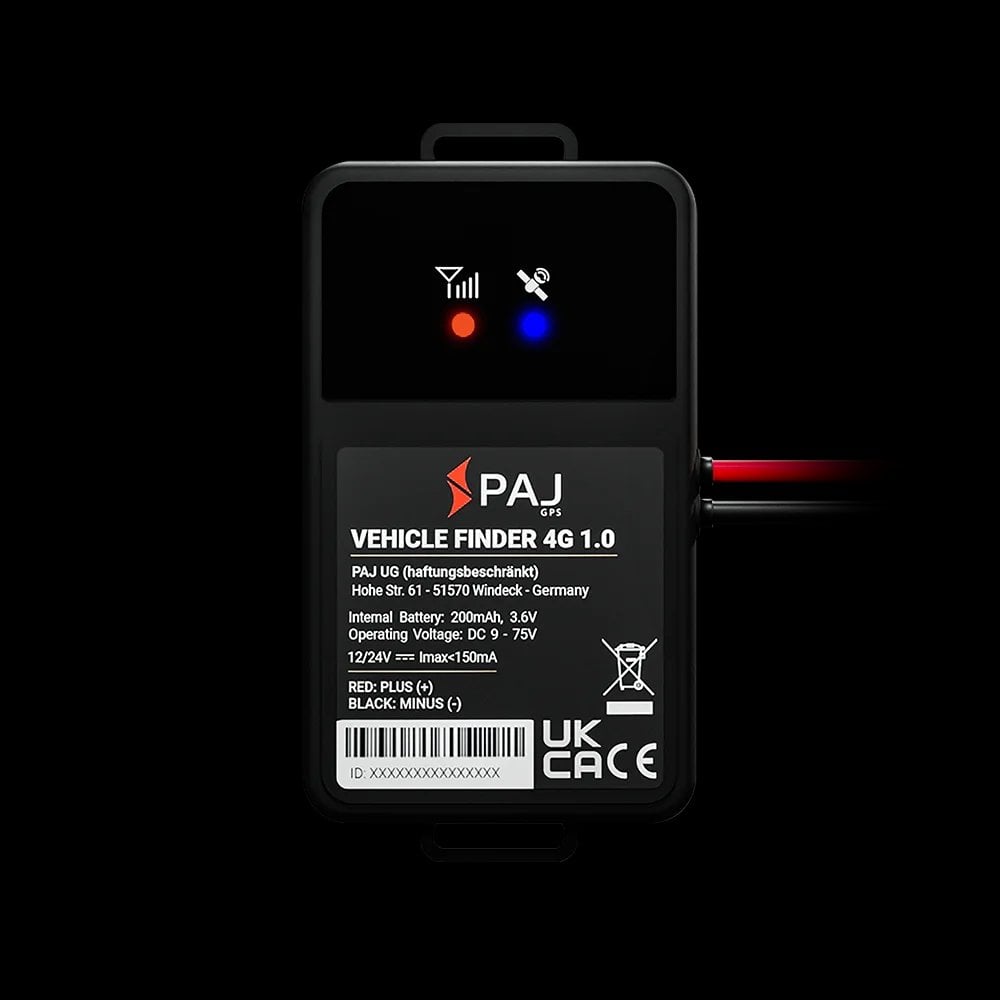
PAJ GPS offers several vehicle-specific devices that differ mainly in how they are fitted. The VEHICLE Finder 4G 1.0 and 2.0 are hardwired units, connected directly to a car battery for permanent power, and are built for cars, trucks, motorhomes, vans, and delivery vehicles. The 2.0 version extends this to motorcycles, scooters, ATVs, and boats, and both report coverage across more than 100 countries using 4G technology.
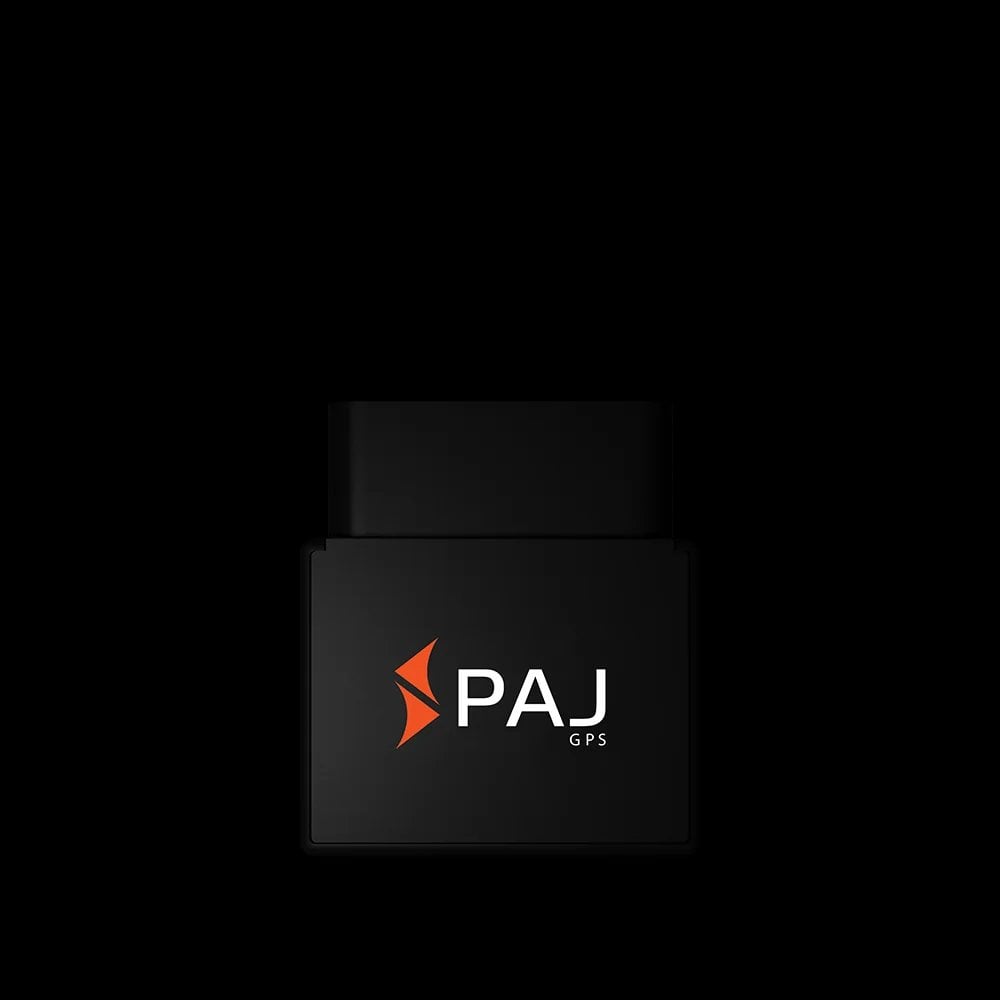
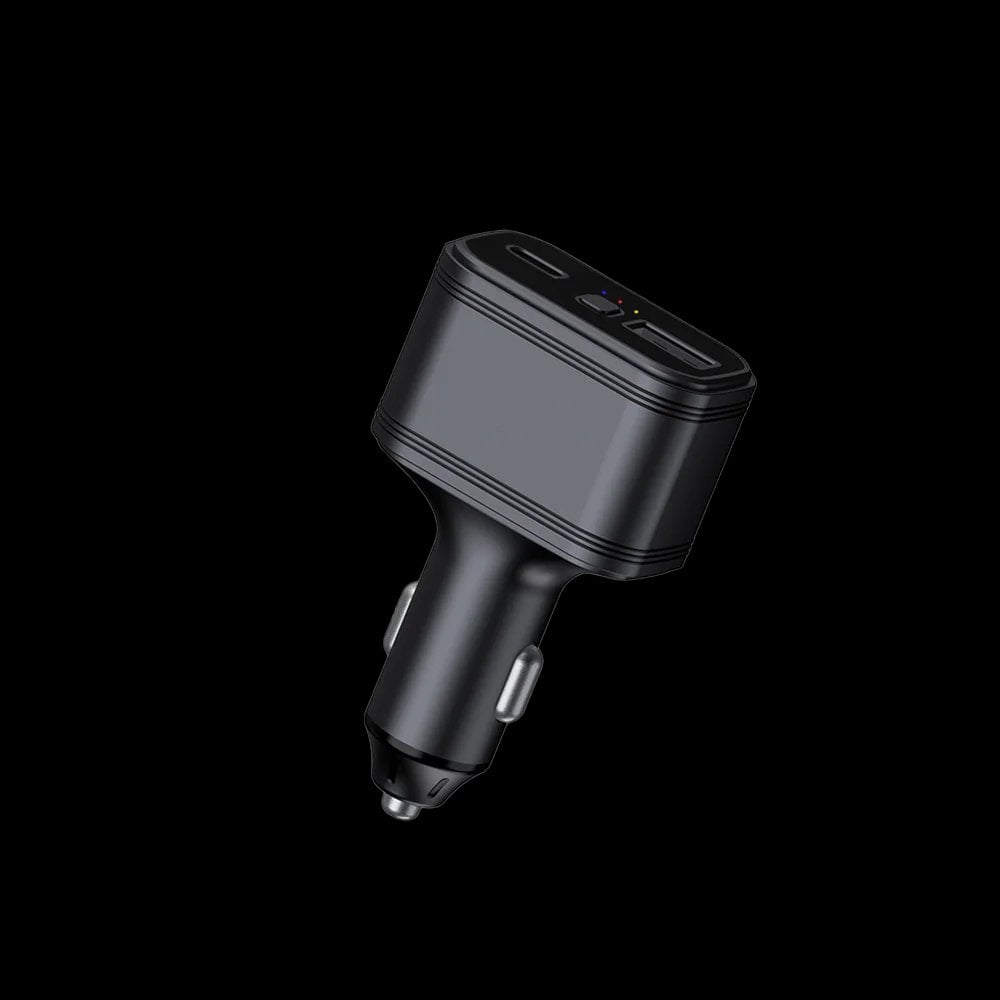
For anyone who prefers a less permanent setup, the CAR OBD Finder 4G 2.0 connects through a vehicle’s OBD2 interface, making it a plug-and-play option for cars, vans, and delivery services, with coverage across more than 40 countries in Europe. There is also a USB GPS Finder 4G, which draws power from a cigarette lighter socket and suits cars, trucks, RVs, and vans with more than 100 countries of coverage. Each of these hardwired and plug-in options targets a slightly different installation preference while keeping the vehicle permanently connected to power.
Battery-Powered Trackers: Paj-GPS POWER Finder and COMPACT Finder Options
Not every asset has a battery to tap into, which is why PAJ GPS also sells standalone, battery-powered devices. The POWER Finder 4G is built for extra-long runtime, reporting up to 90 days on standby, and its listed uses stretch across cars, motorhomes, boats, scooters, motorcycles, beekeeping, horseback riding, containers, wood, garden tools, and luggage.
The COMPACT Finder 4G takes a smaller, more discreet approach, suited to vehicles, people, luggage, and general objects. It offers up to 20 days of battery life under everyday tracking conditions, dropping to up to 7 days under continuous operation, with coverage across 40 countries in Europe. Between these two, the POWER Finder prioritises long standby life for less frequently checked assets, while the COMPACT Finder favours flexible, low-profile placement.
Real-Time Tracking, Geofencing, and Alert Features Explained
Beyond simply reporting a location, several devices in the range include alert-based features. The site describes virtual fencing, often called geofencing, which flags movement in or out of a defined area. This is paired with alarm notifications on vehicle devices, giving an owner a prompt if a tracked car or object moves unexpectedly.
Route history is another recurring feature across the range. The fleet tracking page mentions a Log Book function that saves travelled routes for 365 days, and individual device pages reference reviewing past routes more generally. On top of that, some people-focused finders include SOS functionality and voice messages, which sit closer to personal safety than vehicle security. These layered alert options are part of what makes GPS trackers explained differently for vehicles compared with people-focused devices.
The Paj-GPS App and Portal: Monitoring Tracked Assets
All of these devices connect back to a central app and web portal, described as usable across iOS, Android, and desktop. For fleet users specifically, the portal supports multi-user access, which allows more than one person to monitor the same set of vehicles. This is relevant for businesses managing several vehicles rather than a single personal car.
The portal also handles the data history side of tracking, including the Log Book feature mentioned for fleet logging. Because the app and portal apply across the whole device range, moving from a single COMPACT Finder to several VEHICLE Finders would mean using the same underlying interface. That consistency is a practical point worth noting when comparing GPS trackers explained across different brands, since the monitoring software matters as much as the hardware itself.
- Vehicle devices such as the VEHICLE Finder and CAR OBD Finder require some form of installation, either hardwired to a battery or plugged into an OBD2 port.
- Battery-powered options like the POWER Finder avoid installation entirely and suit items without their own power source, including boats, containers, and garden tools.
- Compact and people-focused devices, such as the COMPACT Finder and PEOPLE Finder, prioritise small size and portability over long-range vehicle-specific mounting.
- Pet-related use is covered under the animal category for dogs and cats, which calls for a different housing and attachment method than a vehicle unit.
- Coverage varies by device, with some units reaching more than 100 countries on 4G and others covering around 40 countries across Europe.
- Battery life differs sharply across the range, from a PEOPLE Finder rated for five-day performance to a POWER Finder rated for up to 90 days on standby.
Taken together, the range shows that PAJ GPS builds its catalogue around specific use cases rather than a single all-purpose tracker. Choosing between hardwired, plug-in, and battery-powered options comes down to what is being tracked and how it is powered. That distinction sits at the centre of how the category is organised. Compare the current trackers at PAJ GPS.