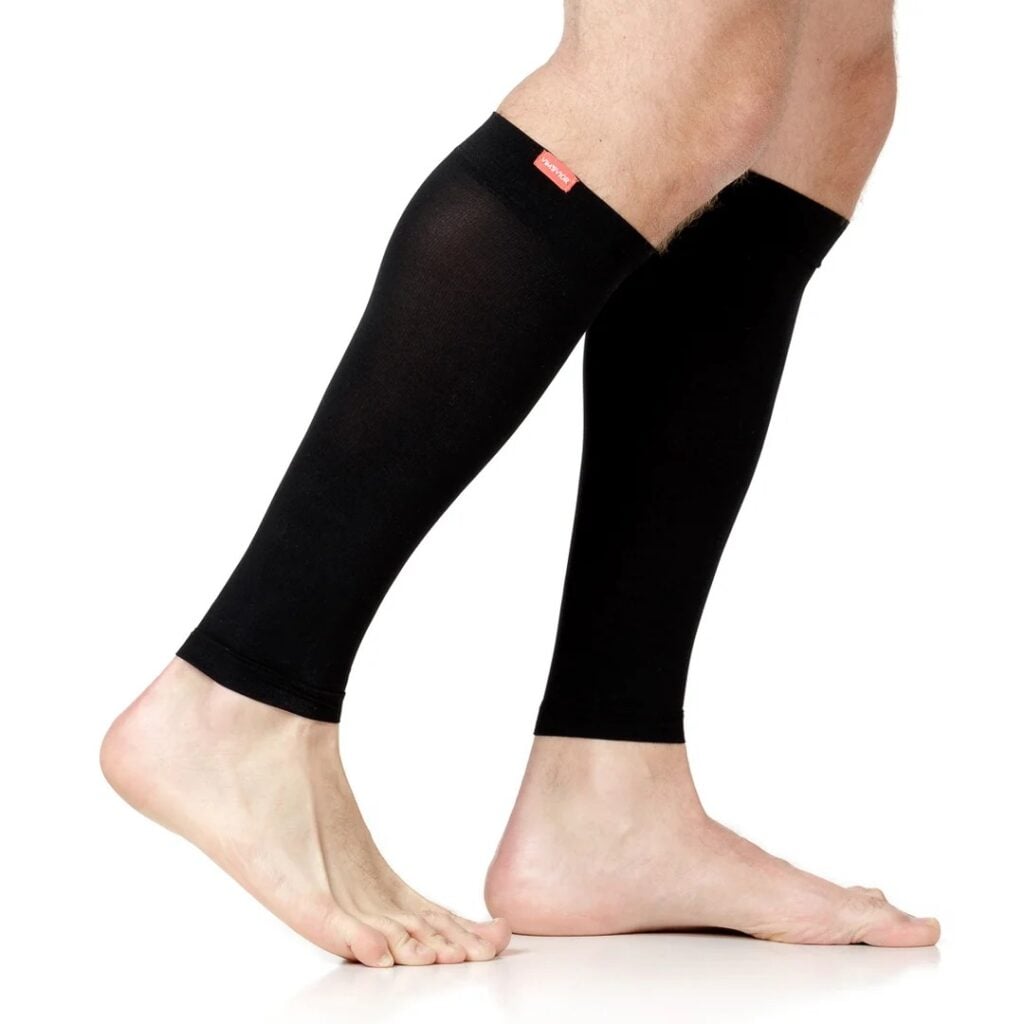



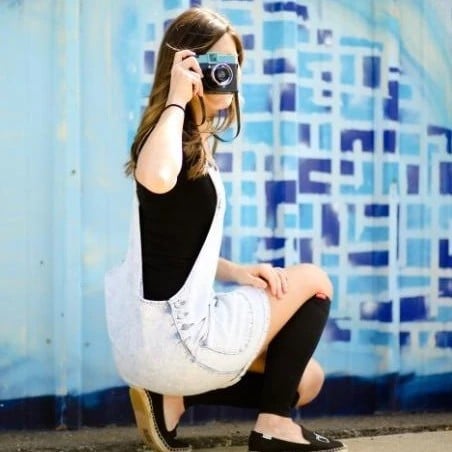
Active days create a different set of needs from long periods of sitting. Footwear, sweat, repeated ankle movement and the timing of recovery all influence whether a compression garment feels useful or distracting. Knee-high socks cover the foot and lower leg, while calf sleeves leave the foot uncovered and can be paired with a separate athletic sock. VIM& VIGR offers both compression socks and leg sleeves, so the distinction is easy to see in practical terms. Neither format replaces appropriate training, footwear or medical care. The choice is mainly about coverage, fit and how the garment integrates with an existing activity setup. A runner who is particular about sock cushioning may prefer sleeves, while a walker who wants one garment from foot to calf may prefer a full compression sock. Correct sizing remains essential in both cases.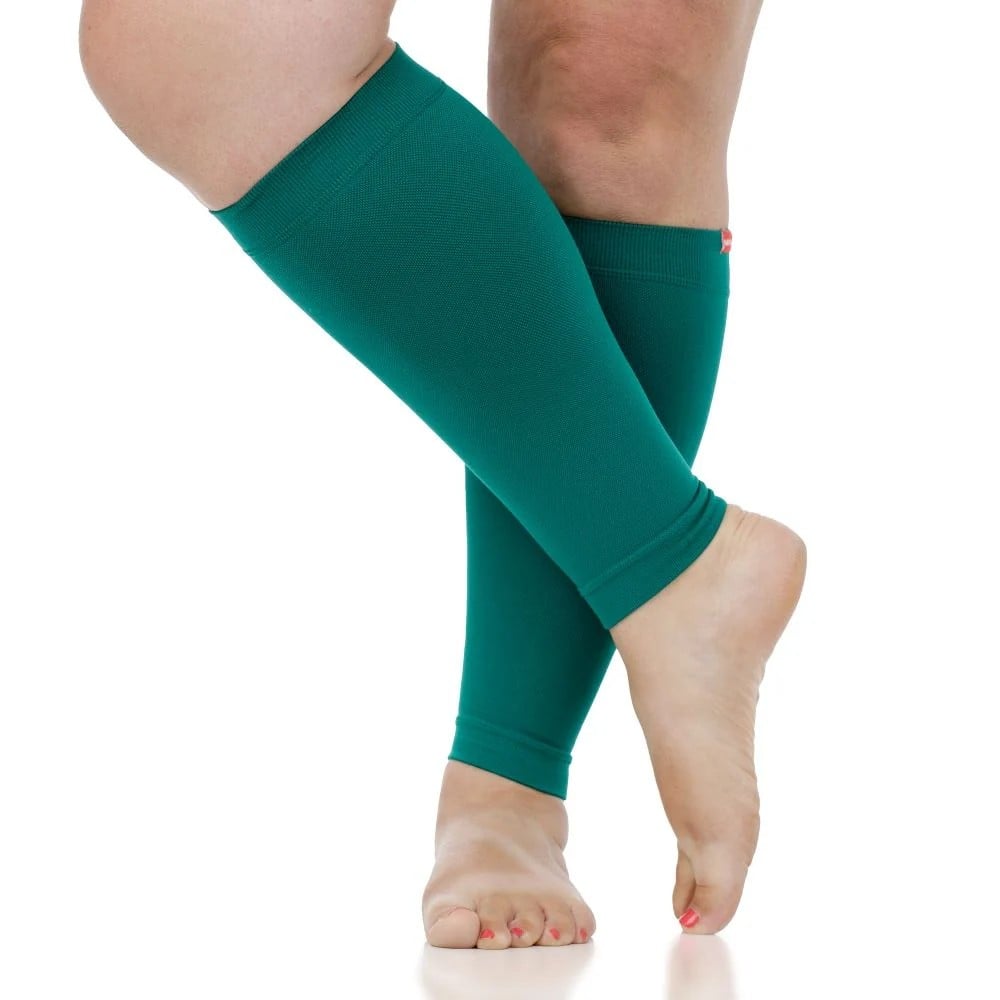
Socks and sleeves solve different layering problems
A full compression sock controls the fabric from the toes through the calf, which can simplify the system inside a shoe. A sleeve concentrates on the lower leg and leaves the athlete free to select a separate foot sock with preferred cushioning, blister management or shoe fit. The leg sleeves from VIM & VIGR are designed as graduated compression garments without a foot section, making them a distinct option rather than a shortened sock. The separate layers need to be arranged carefully so they do not create an uncomfortable ridge around the ankle. Footwear should be tested with the complete setup before a long walk or run. A sock that is comfortable in casual shoes may feel too bulky in a close-fitting running shoe. Likewise, a sleeve that looks secure while standing should be checked during repeated ankle flexion to ensure it remains flat and does not creep downward. Route conditions matter during testing. Hills, stairs and uneven ground create more ankle movement than a flat indoor walk, so a sleeve that stays smooth in one setting should still be observed in the activity where it will actually be used.
Activity intensity does not automatically justify stronger compression
It can be tempting to assume that a harder workout requires the highest available pressure. Compression level does not work like resistance on a training machine. VIM & VIGR offers multiple ranges and describes some stronger levels as medical-grade support, which is a reminder that selection should reflect the person’s needs rather than workout intensity alone. For general active use, correct size and an appropriate recommended range matter more than chasing maximum tightness. A person with vascular disease, significant swelling, altered sensation or another relevant medical concern should seek professional advice before using compression for exercise. Healthy users should still pay attention to discomfort and skin response. Compression can be part of an activity routine, but it does not replace gradual training progression, warm-up, recovery, suitable shoes or evaluation of persistent pain. Runners who already rely on a specific blister-prevention sock should test sleeve overlap carefully. The edge of one garment should not create a bulky ridge where the shoe collar or sock already applies pressure.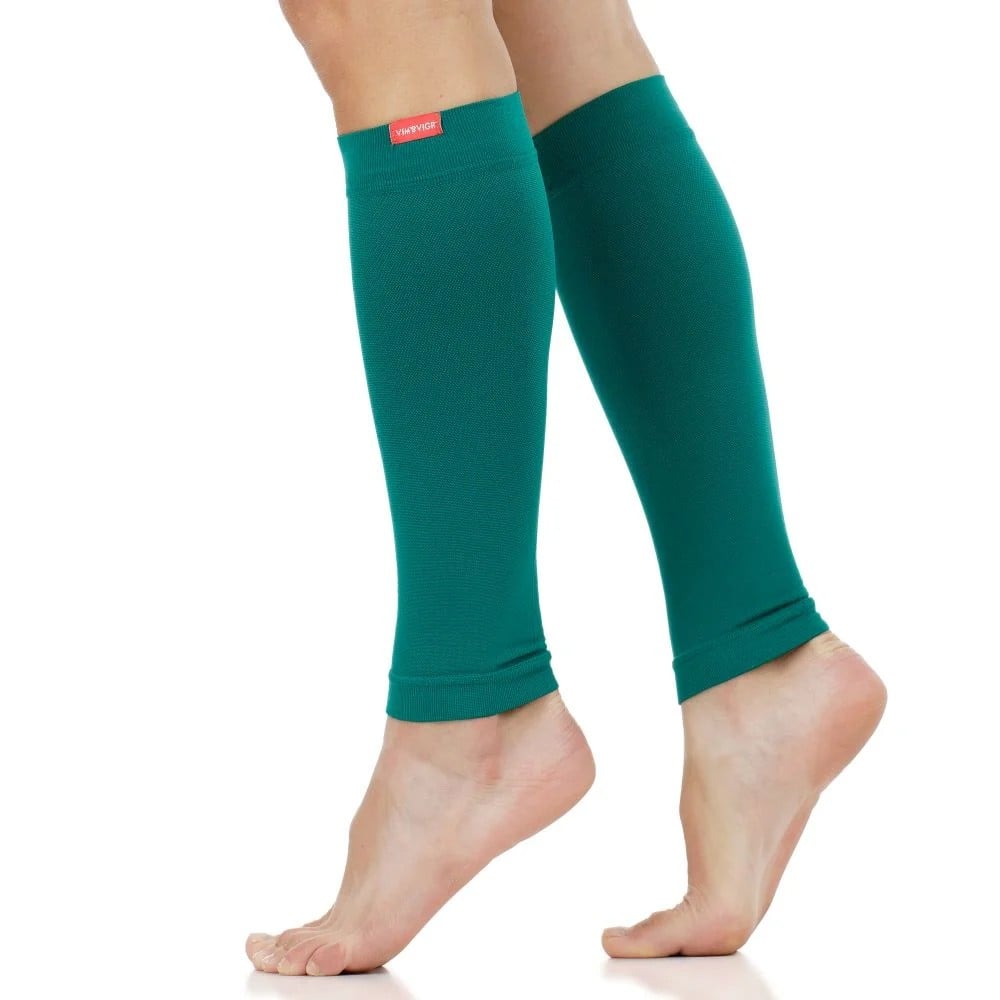
The garment should be tested in shorter sessions first
New compression gear is best introduced on a familiar route or moderate session rather than for the first time during a long event. VIM & VIGR offers several materials and sleeve styles, and each combination can feel different once heat, sweat and movement increase. A short test can answer several practical questions before the garment becomes part of regular training. Post-activity use should follow the same sizing and safety principles as use during exercise. More hours of compression are not automatically better, especially when a person has medical reasons to follow a specific wear schedule.
- The fabric should remain smooth behind the ankle and around the calf instead of forming folds as stride length and foot position change.
- The top edge should stay in place without rolling down during repeated movement or creating a narrow band of uncomfortable pressure.
- The chosen shoe and sock combination should leave enough room for normal toe movement and should not make the footwear feel suddenly cramped.
- The skin should be checked after the session for unusual irritation, persistent numbness or pressure marks that suggest the fit needs reassessment.
Care and recovery habits influence long-term usefulness
Compression garments are exposed to sweat, stretching and frequent washing, so their maintenance should be treated as part of the activity routine. Products from VIM & VIGR should be washed and dried according to the instructions for the specific fabric, with particular care around heat that could affect elastic fibers. Rotating more than one pair or sleeve set can make it easier to let garments dry fully between active days. Athletes also need to distinguish between ordinary muscle fatigue and symptoms that require medical attention. A sleeve should not be used to mask unexplained pain or enable continued training through an injury. Used appropriately, compression can be one clothing choice among many that support an organized walking or running routine. Its practical value comes from compatibility with footwear, stable fit during movement and a pressure level selected for the person rather than from treating the garment as a performance shortcut. Replacement is worth considering when the garment becomes noticeably easier to stretch, slides during activity or no longer returns to shape after washing. Elastic performance is part of fit even when the fabric has no obvious hole.