




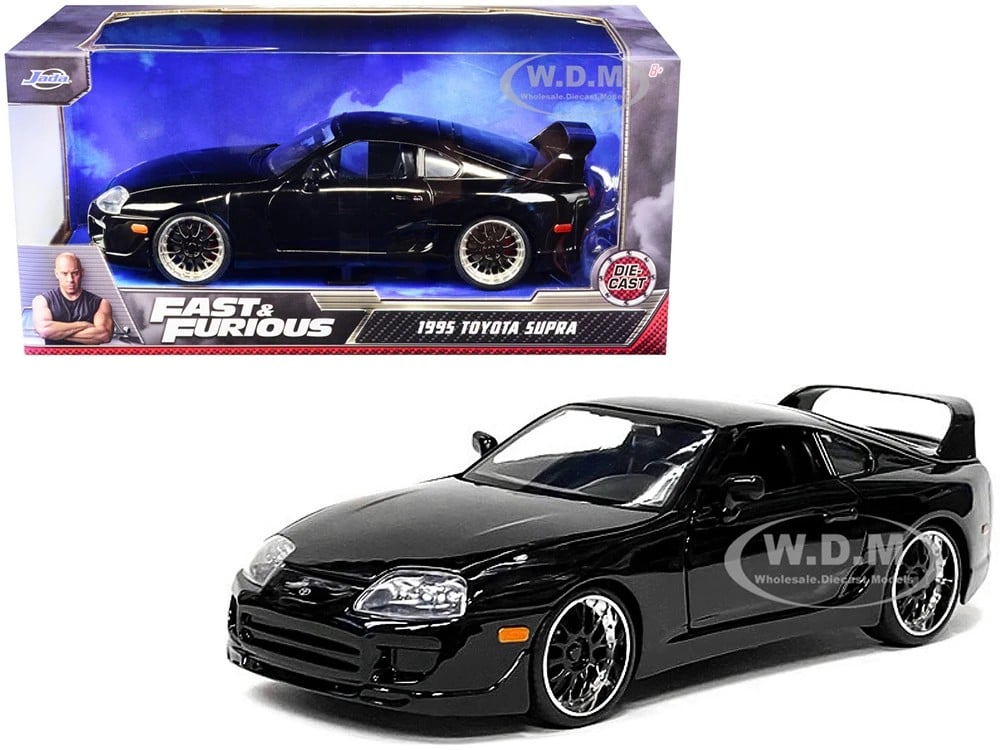
A themed diecast collection often feels more satisfying than a shelf filled with unrelated purchases. A theme gives every model a reason to be there and makes future choices easier. It can be based on a manufacturer, an era, a racing series, a film franchise or even a particular vehicle type. Catalogs such as DiecastModels Wholesale show how broad the possibilities can be, with categories ranging from road cars and racing models to emergency vehicles, aircraft and construction equipment.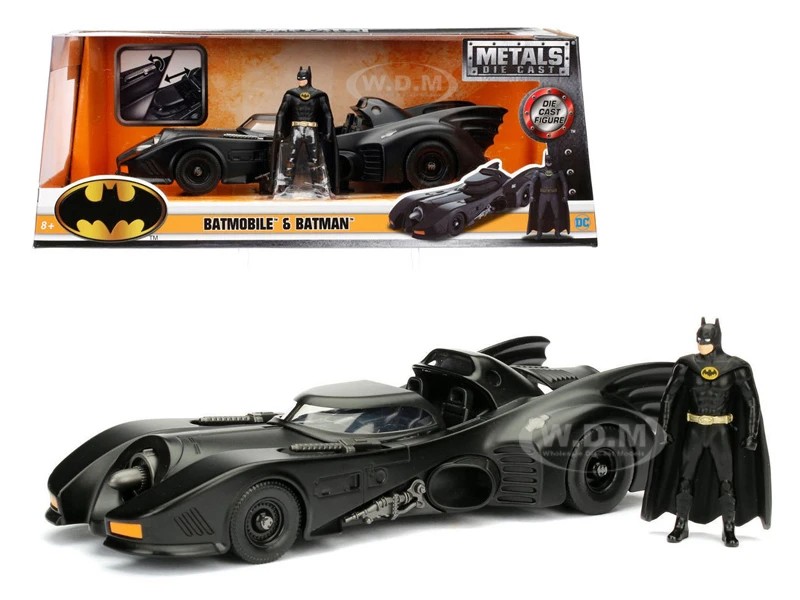
Starting with one clear idea
A useful theme is specific enough to guide decisions but broad enough to leave room for discovery. A collection built around every sports car ever made may become too unfocused, while a collection limited to one exact model year can run out of options quickly. A stronger middle ground might focus on one marque across several decades, famous endurance racers, movie vehicles or classic American pickup trucks.
The theme should also reflect what the collector genuinely notices. Some people are drawn to engineering details, others to liveries, cultural history or the shape of a particular generation of car. When the underlying interest is clear, the collection remains enjoyable even after the easiest purchases have been made. Browsing Diecast Models Wholesale by make, type or industry can help reveal whether a proposed theme has enough variety to support several additions without becoming repetitive.
Balancing variety and consistency
Visual consistency can come from scale, color family, subject matter or display style. A collection does not need to match in every category. A row of 1 to 24 movie cars can look coherent even when the vehicles come from different decades. A group of race cars can mix several manufacturers while still feeling unified because the motorsport theme is strong.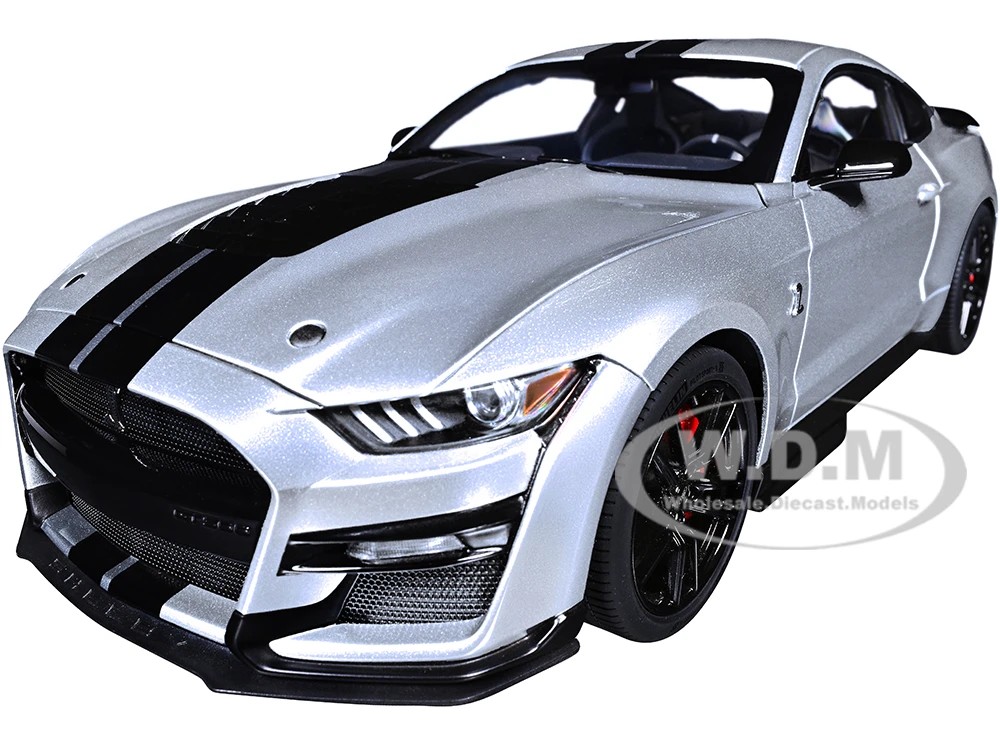
Scale deserves special attention because it changes the apparent relationship between models. If one vehicle is 1 to 18 and the next is 1 to 64, the difference can distract from the theme. Some collectors intentionally mix scales, but they often separate them by shelf or case. Diecast Models Wholesale carries many common ratios, so a theme can usually be narrowed to a preferred scale before individual models are compared.
Variation inside the theme keeps a display from looking like a set of duplicates. A Mustang collection, for example, can include early fastbacks, modern performance versions, race cars and film-related editions. A movie collection can combine hero cars, police vehicles and trucks rather than relying on four nearly identical coupes. The subject remains consistent while the silhouettes, colors and stories change.
What to check before adding a model
A themed purchase is strongest when it fills a genuine gap instead of merely repeating what is already present. A short review before ordering can prevent a collection from expanding faster than its logic.
- The model should clearly fit the chosen theme rather than relying on a weak connection.
- The scale should match the main display plan or have a deliberate separate location.
- The manufacturer and construction quality should suit the collector’s expectations.
- The color or livery should add useful visual contrast when similar models are already owned.
- The available display space should be considered before another large model is added.
Product descriptions on Diecast Models Wholesale can help with this comparison because they commonly identify scale, manufacturer, model type and other details. Those fields are useful when two options look similar in photographs but differ in size, materials or features. Collectors who keep a simple inventory can also note the model name, scale, color and purchase source to reduce accidental duplicates.
Keeping the collection coherent over time
Long-running collections benefit from boundaries that can evolve without disappearing. A collector might begin with one marque, then later create a related subtheme for race versions or significant road cars. That expansion still feels connected because the original idea remains visible. By contrast, adding unrelated pieces only because they are discounted can gradually erase the theme.
Display decisions can reinforce the structure. Labels can identify eras or racing series, separate shelves can distinguish road and competition cars and background materials can support a particular setting without overwhelming the models. The display should make the theme understandable even to someone who does not already know the collection.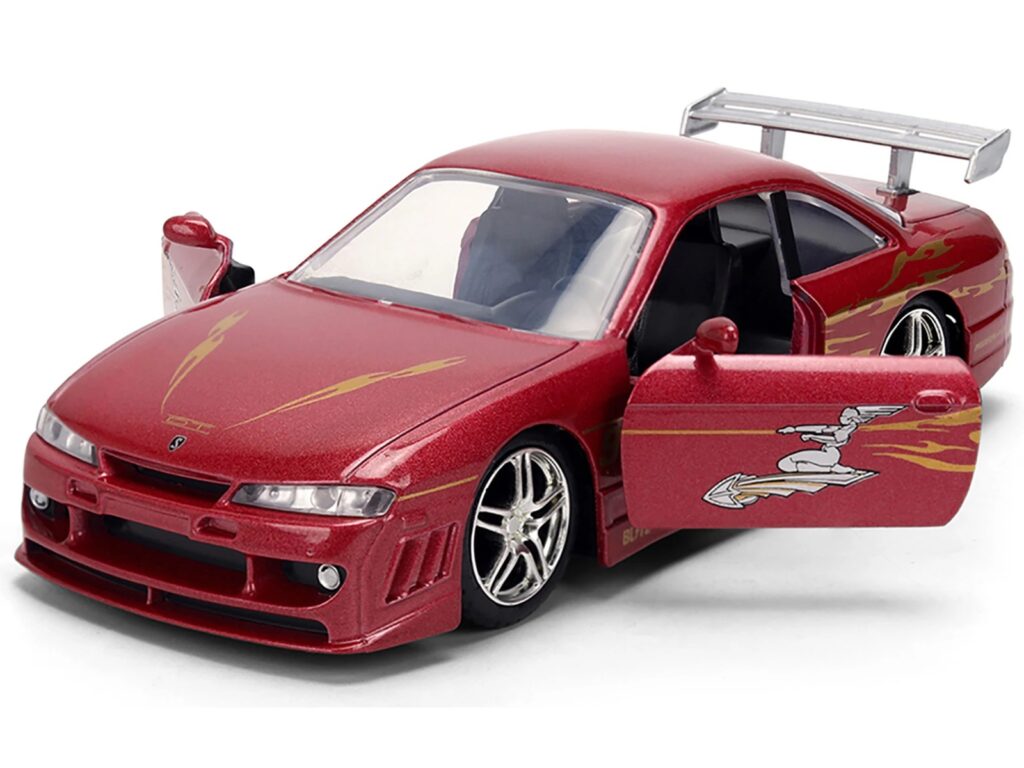
The market itself can introduce new directions. Limited editions, new licenses and newly tooled versions of older vehicles appear over time. A broad catalog such as Diecast Models Wholesale gives collectors a way to scan adjacent categories without abandoning the original focus. A movie-car collector might discover related television models, while a racing collector might find transporter trucks or pit accessories that deepen the display without changing its subject.
A theme ultimately works as an editing tool. It helps decide what belongs, what can wait and what should be skipped. That discipline can make each purchase more memorable because every addition strengthens a visible idea. The result is not simply a larger collection, but a collection with a clear point of view and enough flexibility to remain interesting as it grows.