




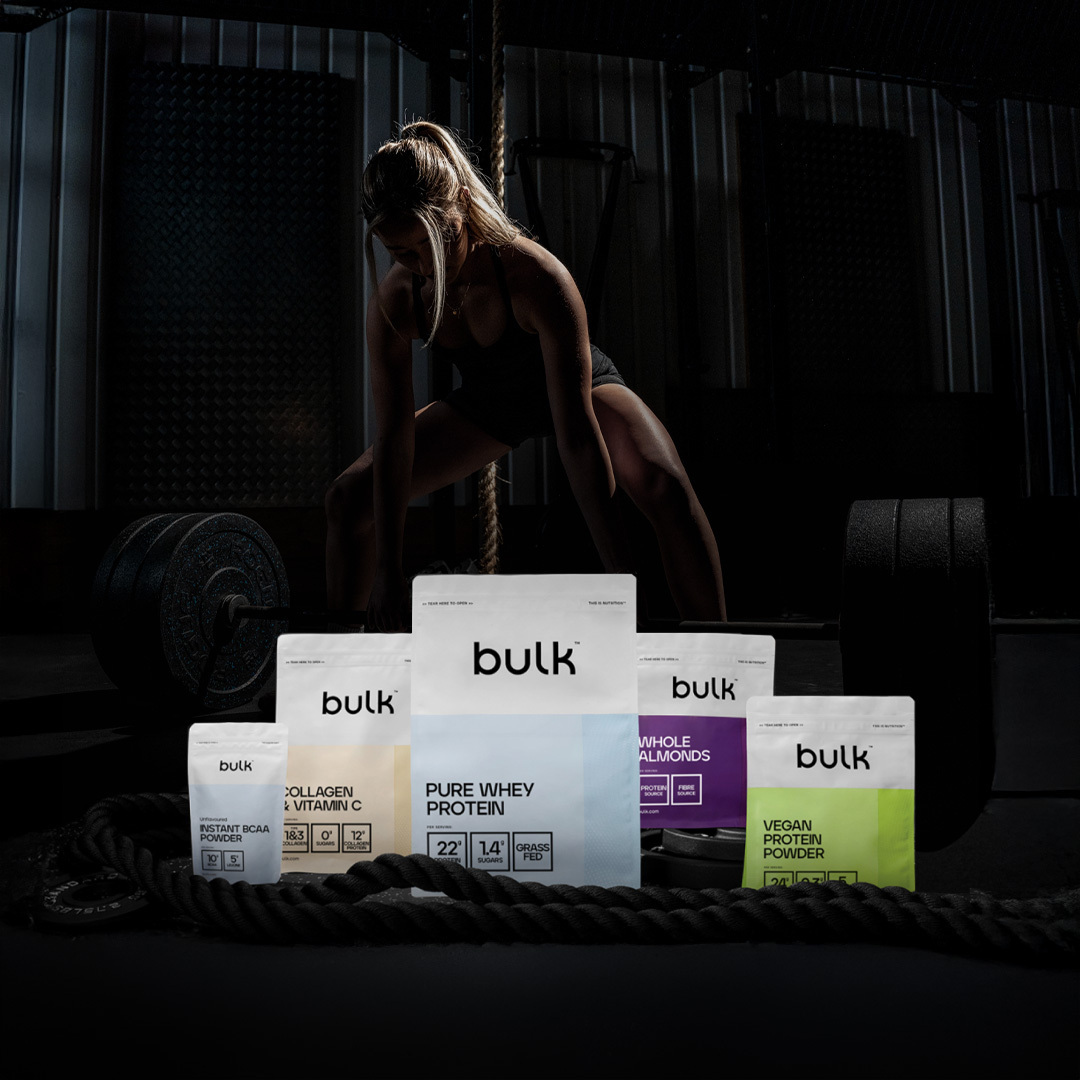
Protein works best when the routine is simple
A useful nutrition routine is rarely the one with the most rules. It is the one a person can follow on ordinary workdays, rushed mornings and weekends when plans change. Protein is a good example. It matters for maintaining and building muscle, yet the practical challenge is often not knowing that protein is important. The real challenge is making enough room for it across the day without turning every meal into a project.
That is where planning beats improvisation. A person who knows roughly where breakfast, lunch, dinner and one convenient snack fit into the day is less likely to reach the evening and discover that most meals were built around carbohydrates with very little protein. Products from bulk.com can sit inside that kind of routine, but they make the most sense as convenient additions to normal food rather than as replacements for a varied diet.
Start with the meals that are already there
A practical first step is to look at existing meals before adding anything new. Breakfast might already contain yoghurt, eggs or milk. Lunch may include chicken, fish, beans or tofu. Dinner may be the most protein-rich meal of the day. Once those anchors are visible, any gaps become easier to identify.
For some people, the gap is breakfast because they leave home early. For others, it appears after training when there is little time to cook. A whey shake, a vegan protein drink or a high-protein snack can solve a timing problem without creating a complicated new ritual. The point is not to chase a perfect schedule. It is to make the day easier to repeat.
The Pure Whey Protein range sold through bulk.com is one example of that convenience. The brand lists multiple flavours and serving sizes, which allows someone to choose a format that fits frequency of use rather than buying more than is practical to store or finish.
Choose the protein format for the situation
Different protein products suit different situations, and the most expensive option is not automatically the most useful. Whey concentrate can work well for someone who wants a creamy shake and a broad flavour choice. Whey isolate generally offers a higher proportion of protein with less sugar and fat, which may appeal to people who prefer a more refined formula. Plant-based blends can be useful for anyone avoiding dairy or simply wanting more variety.
The useful questions are straightforward rather than technical.
- Does the person prefer a shake, a snack or protein mixed into food?
- Is dairy suitable for the person’s diet?
- Will the product mostly be used after training or during busy workdays?
- Is a neutral flavour useful for porridge and recipes or is a flavoured shake more convenient?
- Does the package size match how often it will actually be used?
Looking at those questions first helps prevent a cupboard full of products that looked interesting but never fitted the routine. The range on bulk.com includes whey, isolate, vegan powders and ready-to-use snack formats, so the choice can be made around habits instead of hype.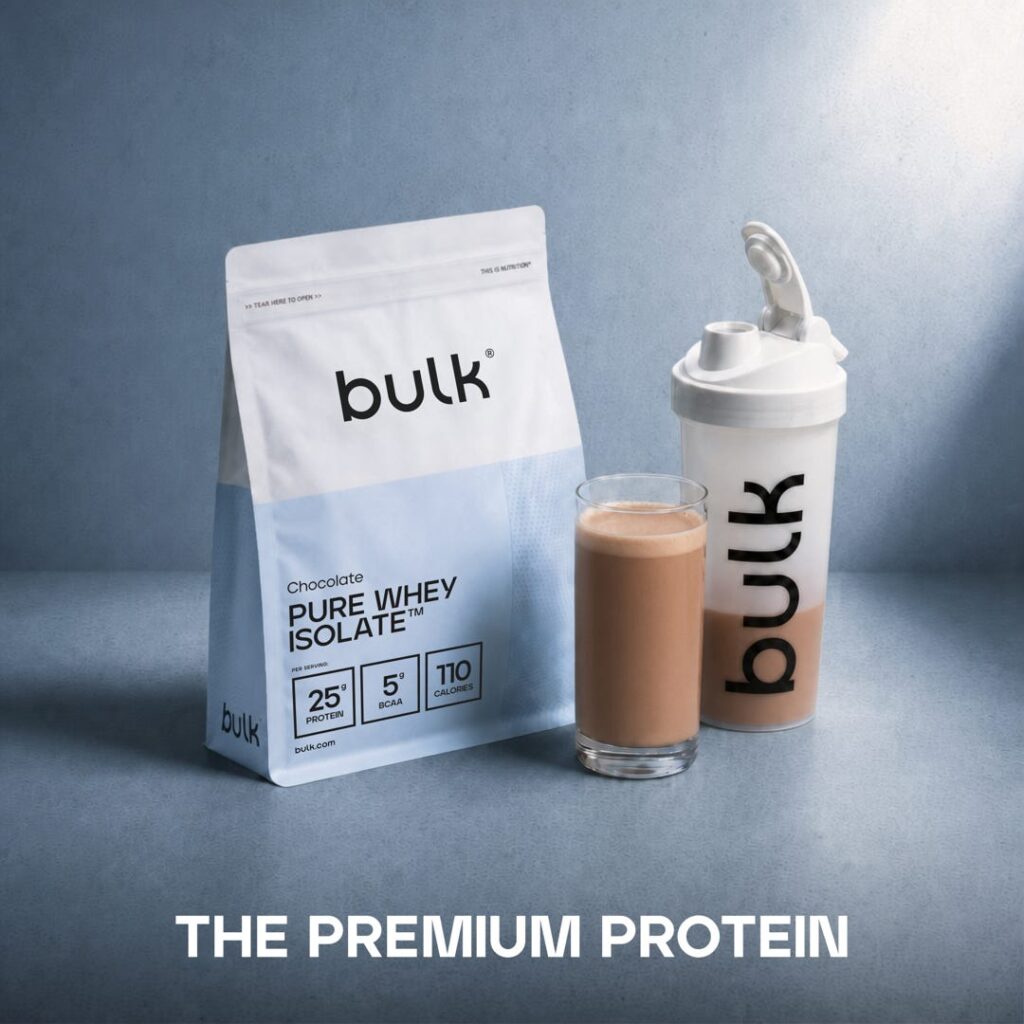
Use convenience without losing the food-first structure
Protein powders are most useful when they reduce friction. A scoop mixed with water or milk can be faster than cooking, and a shake can be easier to carry than a full meal. That convenience can be especially valuable after a late gym session or between meetings. Still, a shake does not provide everything that a balanced meal can provide.
Whole foods bring texture, fibre, micronutrients and variety. A sensible routine might therefore use protein powder to support breakfast, a normal lunch built around food, a portable snack in the afternoon and a full evening meal. That creates flexibility without making supplements the centre of the diet.
People who compare products on bulk.com can also check serving information, ingredients and allergen guidance before ordering. That is more useful than choosing by flavour name alone, particularly when several people in a household have different dietary needs.
Consistency matters more than novelty
Nutrition products are often marketed around new flavours and new formulas, but a routine usually improves when fewer decisions are required. If a person finds one or two products that taste good, mix easily and fit the budget, repeating them can be more effective than constantly changing the plan.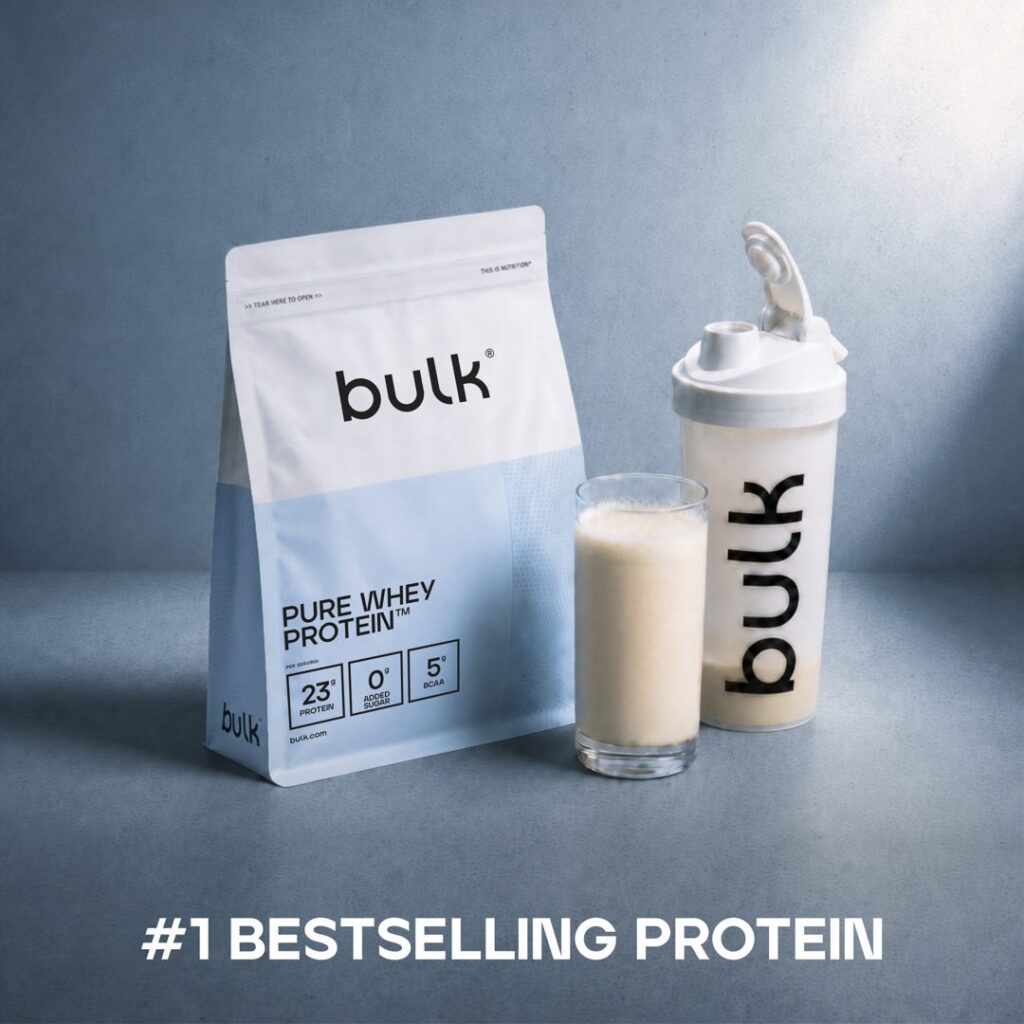
A basic approach can be enough. One protein product can cover quick breakfasts or post-training shakes. Another portable option can handle travel or workdays. Everything else can come from ordinary meals. That keeps the system understandable and makes shopping easier.
The broad selection at bulk.com can support that approach because it allows a shopper to compare formats in one place. The useful outcome is not owning more supplements. It is having a small number of options that make an already sensible diet easier to maintain.