




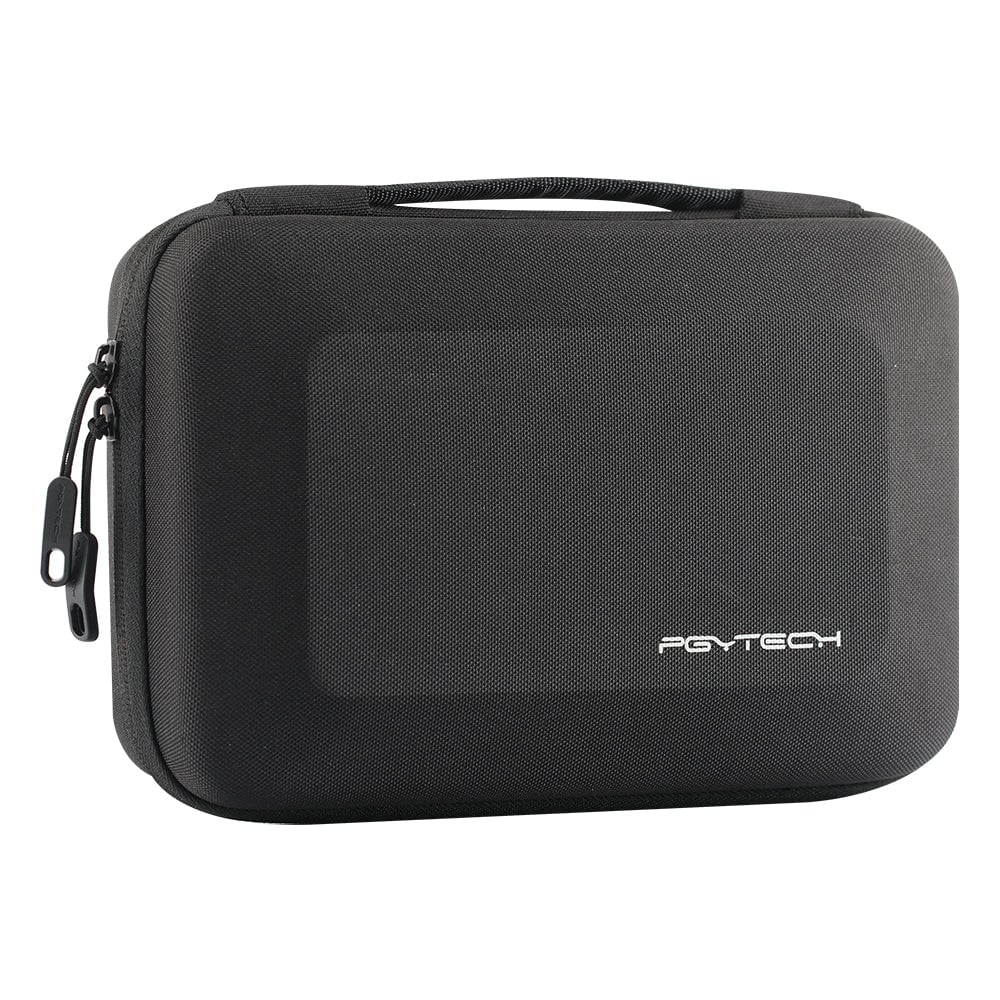
A camera backpack has to perform two jobs at once. It must protect expensive equipment while still carrying comfortably enough to be used throughout a working day or a short trip. The best choice depends less on the largest stated capacity and more on the actual camera kit, access style and amount of non-camera gear being carried. Backpack lines from PGYTECH illustrate the range from urban camera bags to larger outdoor-oriented designs, making a structured comparison useful.
Size the bag around the real kit
Capacity should begin with the equipment that travels most often. A photographer carrying one mirrorless body, two lenses and a small accessory pouch has very different needs from someone packing a second body, telephoto lens, drone and laptop. Extra space can be useful, but too much unused volume encourages unnecessary packing and can allow equipment to move unless the dividers are adjusted carefully.
The laptop compartment also deserves a realistic check. Screen size labels are helpful, but the thickness of the computer and any protective sleeve can affect fit. PGYTECH offers backpacks in several capacities, including models designed to carry camera equipment alongside a laptop and personal items. That mixed-use format can suit everyday work because it reduces the need for a separate office bag.
Internal dividers should hold lenses securely without excessive compression. A sensible layout makes frequently used items easy to identify by touch and keeps heavy equipment close to the back panel where possible. Small accessories such as batteries and memory cards benefit from dedicated pockets so they do not migrate underneath larger gear.
Access carry and protection should work together
Fast access is useful only when the opening remains secure during movement. Side doors can help a photographer reach a camera without removing the entire backpack, while a full-opening rear or front panel makes it easier to reorganize the complete kit. Some bags combine both approaches. PGYTECH has designs with wide-opening main compartments and side access, demonstrating how different openings can support different stages of a shoot.
Carry comfort becomes more important as the load increases. Shoulder straps should sit comfortably without cutting into the neck, and a sternum strap can help keep the harness stable while walking. Larger outdoor bags may also use more structured suspension and hip support to transfer part of the weight away from the shoulders. The benefit depends on torso fit and load, so a feature list should not replace attention to actual body position.
Weather protection is another practical concern. Water-resistant outer material, protected zippers and a rain cover can reduce exposure during brief bad weather. Even so, sensitive equipment should not be treated as waterproof unless the bag is specifically designed and rated for that purpose. Good protection is a combination of material, closure design and sensible handling.
A fit and workflow checklist
A backpack comparison becomes clearer when the buyer checks how the bag will be used rather than how it looks when empty.
- The camera compartment should fit the regular kit with enough room for safe divider placement.
- The laptop sleeve should accommodate the actual computer and any protective sleeve used with it.
- Frequently used gear should be reachable without unloading unrelated items.
- The harness should suit the expected walking distance and total packed weight.
- Tripod carry, bottle storage and personal-item space should match the photographer’s normal routine.
Product dimensions from PGYTECH can help narrow the options, but load planning remains essential. A compact bag may be ideal for an urban assignment and frustrating for an outdoor day that needs extra layers, food and water. A larger pack may offer that flexibility but feel excessive for a short client meeting with one camera.
Plan for trips without turning the bag into storage
A travel camera bag works best when every item has a reason to be carried. Duplicate accessories, rarely used lenses and full-size chargers can add weight quickly. A short packing list based on the assignment can reduce that burden. Batteries can be grouped together, cards can stay in one wallet and cables can be limited to those actually required.
The bag should also support transit outside the shoot. A clean exterior profile is useful in crowded spaces, while a luggage pass-through can help when rolling cases are involved. PGYTECH designs some bags for urban travel and others for more demanding outdoor use, so the environment should influence the choice as much as the camera capacity.
Organization should remain flexible. Divider layouts can change when a lens is added or a drone replaces part of the camera kit. The best backpack is therefore not one with a perfect permanent arrangement, but one that can be reconfigured without becoming confusing. A simple habit of returning batteries, filters and cards to the same locations can make any well-designed bag faster to work from.
A camera backpack becomes part of the shooting process once it is used regularly. Appropriate capacity, dependable access and comfortable load distribution reduce small delays that accumulate during a long day. Choosing around the real kit and real travel pattern creates a bag that carries equipment rather than merely storing it.