



Many households only think about indoor air when something feels wrong, such as a musty smell, a window dripping with condensation, or skin that feels unusually tight after the heating goes on. Home dehumidifiers and humidifiers, along with fans and air conditioners, exist to correct these imbalances. This article looks at how each category works in general terms and where Meaco‘s product range fits into that wider picture.
Understanding Home Humidity: Damp, Condensation, and Mould
Relative humidity is the amount of moisture held in the air compared with what the air can hold at a given temperature. When that figure climbs too high, moisture settles on cold surfaces such as windows and external walls. Over time, this can lead to condensation, damp patches, and eventually mould growth in corners, bathrooms, or poorly ventilated rooms.
Conversely, when relative humidity drops too low, the air can feel dry and uncomfortable. This often happens in winter once central heating is switched on for long stretches. Both extremes are part of why home dehumidifiers and humidifiers exist as separate, complementary appliance categories rather than a single solution.
Dehumidifiers and the Arete® Range: Extracting Moisture for Healthier Homes
Dehumidifiers draw in damp air and extract moisture before releasing drier air back into the room, which is the opposite job to a humidifier adding moisture into air that has turned too dry. Meaco’s Arete® range covers several sizes, including 6L, 10L, 12L, 20L, and 25L models, aimed at everything from single rooms and student accommodation to larger family homes. According to the brand, the range followed five years of development involving feedback from more than 2,000 customers.
Several Arete® One models combine dehumidifying with air purifying functions in one unit, which the brand positions as a way to avoid needing two separate appliances. Meaco also notes that its Arete® One 20L model can be used to dry laundry indoors, based on a test drying 13 T-shirts in a room at 22.6°C and 52% relative humidity. The dehumidifier side of humidifiers is generally presented as the first line of defence against condensation, damp, and mould.
Humidifiers and the Armin® Range: Adding Moisture When Air Turns Dry
Dry air matters most during colder months, when heating systems can leave rooms feeling parched, which the brand’s own materials link to dry skin, sore throats, and stuffy noses. Meaco’s Armin® range, including the Armin® 300 and Armin® 680 evaporative humidifiers, is built around this balancing function. Evaporative humidifiers of this kind are generally described as quiet and energy-efficient in how they are marketed.
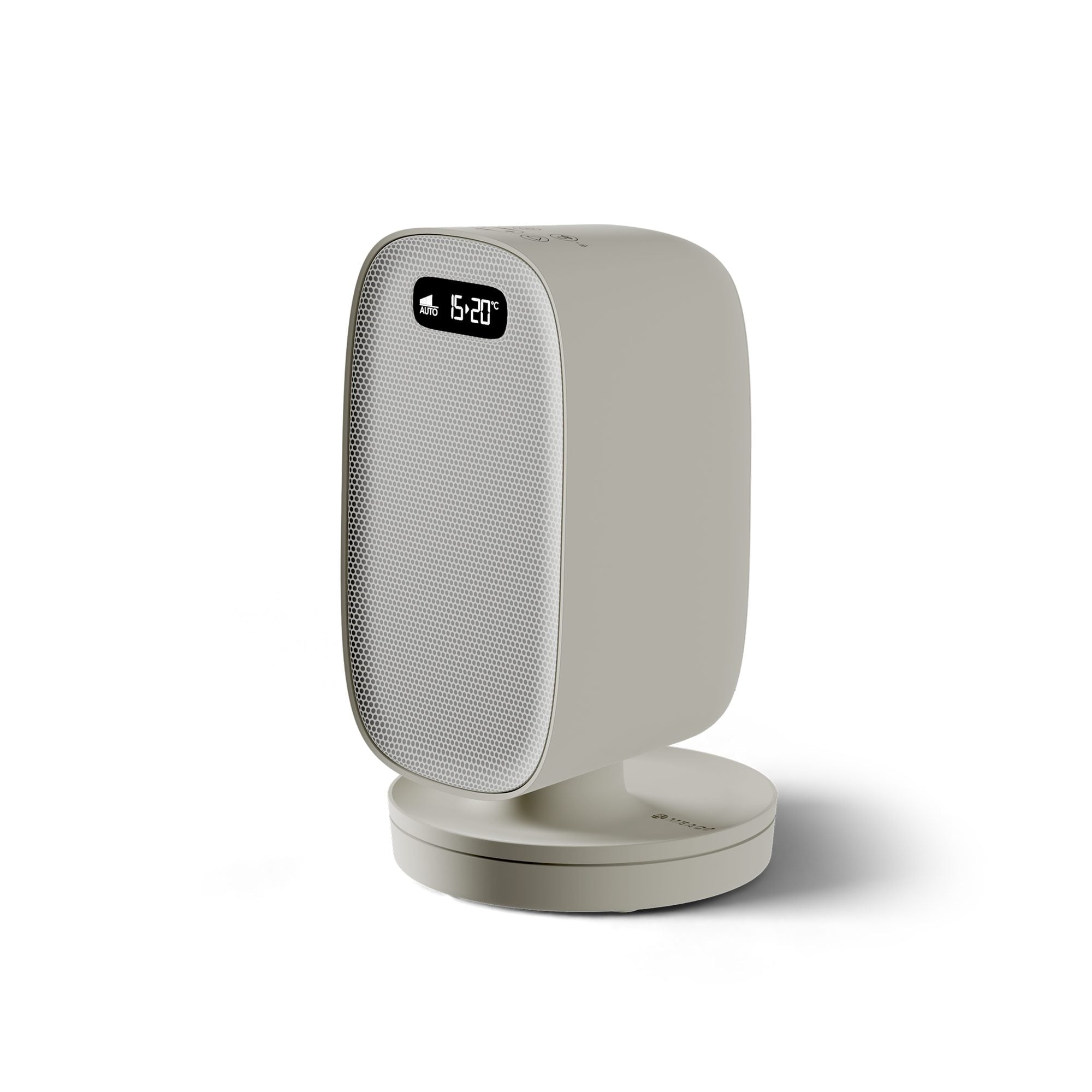
The brand also lists a Deluxe 202 Humidifier and Air Purifier, which combines moisture addition with air purification in a single unit. Within the broader landscape of home dehumidifiers and humidifiers, the humidifier side addresses a problem that is easy to overlook until the air already feels uncomfortable. That makes it a natural companion category to dehumidifiers rather than a competing one.
Portable Air Conditioners and Cooling Solutions: The Meaco Approach
Air conditioners address temperature rather than moisture, though some models handle both. Meaco‘s MeacoCool MC Series portable units are rated at various BTU levels, such as 9000 and 10000 BTU models, some of which combine cooling with heating and dehumidifying functions in one machine. The 10000 CH model, for example, is described as offering two fan speeds and five modes, alongside a window kit, child lock, and remote and app control.
Meaco also offers a Cirro® model, described on its site as delivering cooling with reduced noise compared with earlier designs. Accessories such as flexible window kits and replacement machine adaptors are sold separately, which suggests an expectation that these portable units will be used across different window types and over several seasons. Portable air conditioning sits alongside home dehumidifiers and humidifiers as a third strand of year-round indoor comfort.
Fans and Air Circulators: Movement, Portability, and Energy Efficiency
Fans move air rather than changing its moisture content or temperature directly, but they remain a common part of home climate control. The Sefte® range includes table and pedestal air circulators, such as the Sefte® 10 inch and Pro 10 inch models, which come with their own remote controls. The MeacoFan Sefte® 8 inch Portable Battery Air Circulator is built with a replaceable lithium-ion battery, which is described as intended to avoid the battery being discarded once it degrades.
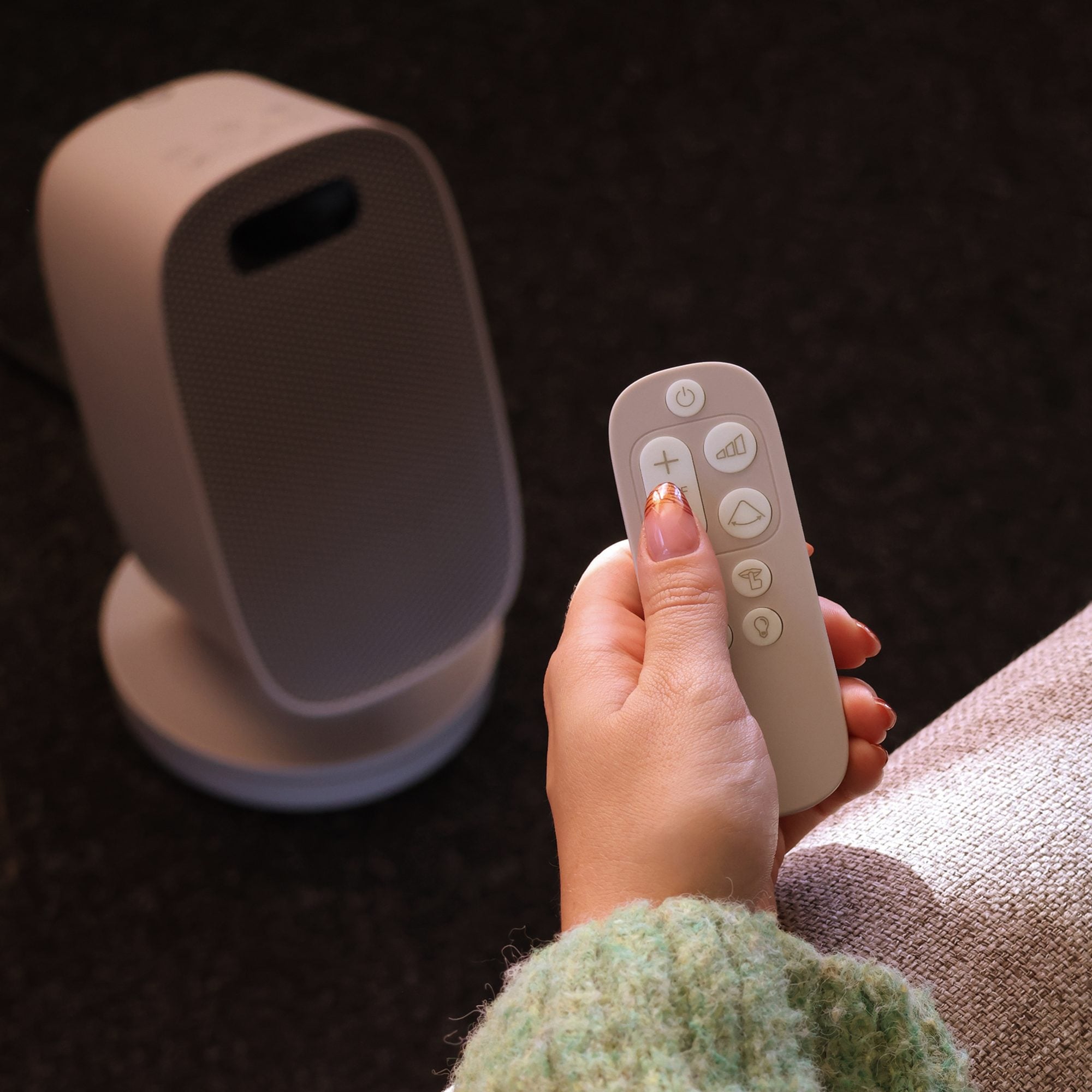
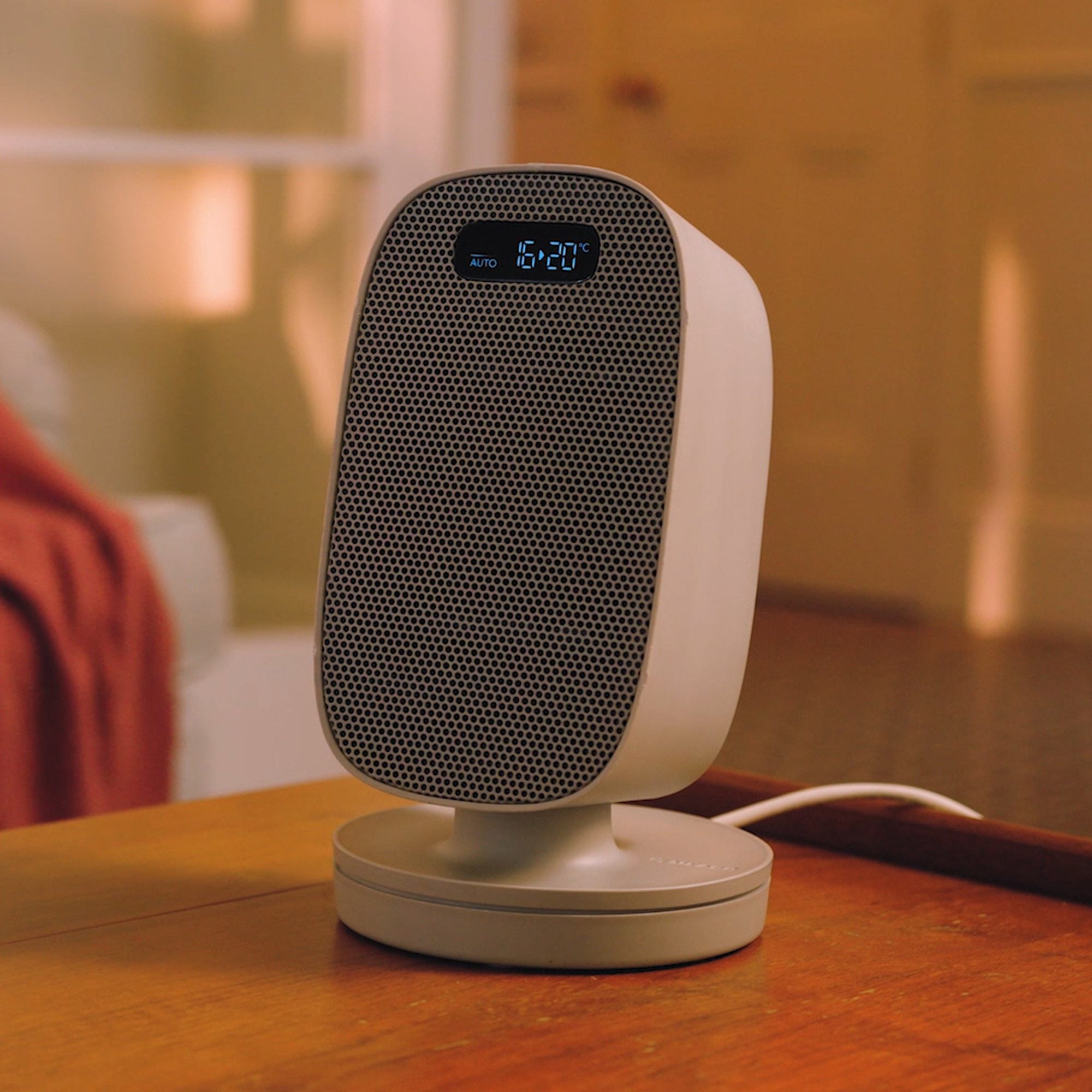
Separately, the Grisos™ range covers PTC fan heaters, including a 1.5kW model and a 2kW Smart model, which bring warmth rather than cooling into the same general product family. Having fans, heaters, and air conditioners under one roof means a household dealing with humidity issues can also look at temperature and air movement without switching supplier. This breadth is part of what distinguishes a dedicated indoor air company from a general electronics retailer.
- Persistent condensation on windows is typically addressed by running a dehumidifier to lower relative humidity in the room.
- Dry skin, sore throats, and stuffy noses linked to heated winter air are the kind of problem an evaporative humidifier is designed to ease.
- Musty smells and early mould growth in bathrooms or basements point toward excess moisture that a dehumidifier can extract.
- Stuffy, overheated rooms in summer are the territory of portable air conditioners rather than fans alone.
- Stale, still air in a room with little ventilation is often improved simply by circulating air with a fan.
- Laundry that will not dry indoors during damp months is one specific use case some dehumidifier models are built to support.
Why Meaco’s Five-Year Warranty and British Design Matter
Meaco describes itself as an air quality company with a long operating history, and its products are designed by a British team. The brand states that its range carries a warranty of up to five years, alongside claims of over 100 industry awards and Which? Best Buy recognition for some models. Free next-day delivery is also listed as a standard part of ordering from the brand’s own site.
These details matter because home climate appliances are typically expected to run for years rather than months, often operating for long stretches each day. A longer warranty period, paired with UK-based customer support, gives some indication of how a manufacturer expects its products to be used over time. Anyone comparing options within the home dehumidifiers and humidifiers category can look at warranty length and design origin as two concrete, checkable details rather than marketing language alone. More details on the current range can be found through Meaco.
Indoor air problems rarely come from a single cause, which is why damp, dryness, heat, and stale air each call for a different tool rather than one catch-all device.