




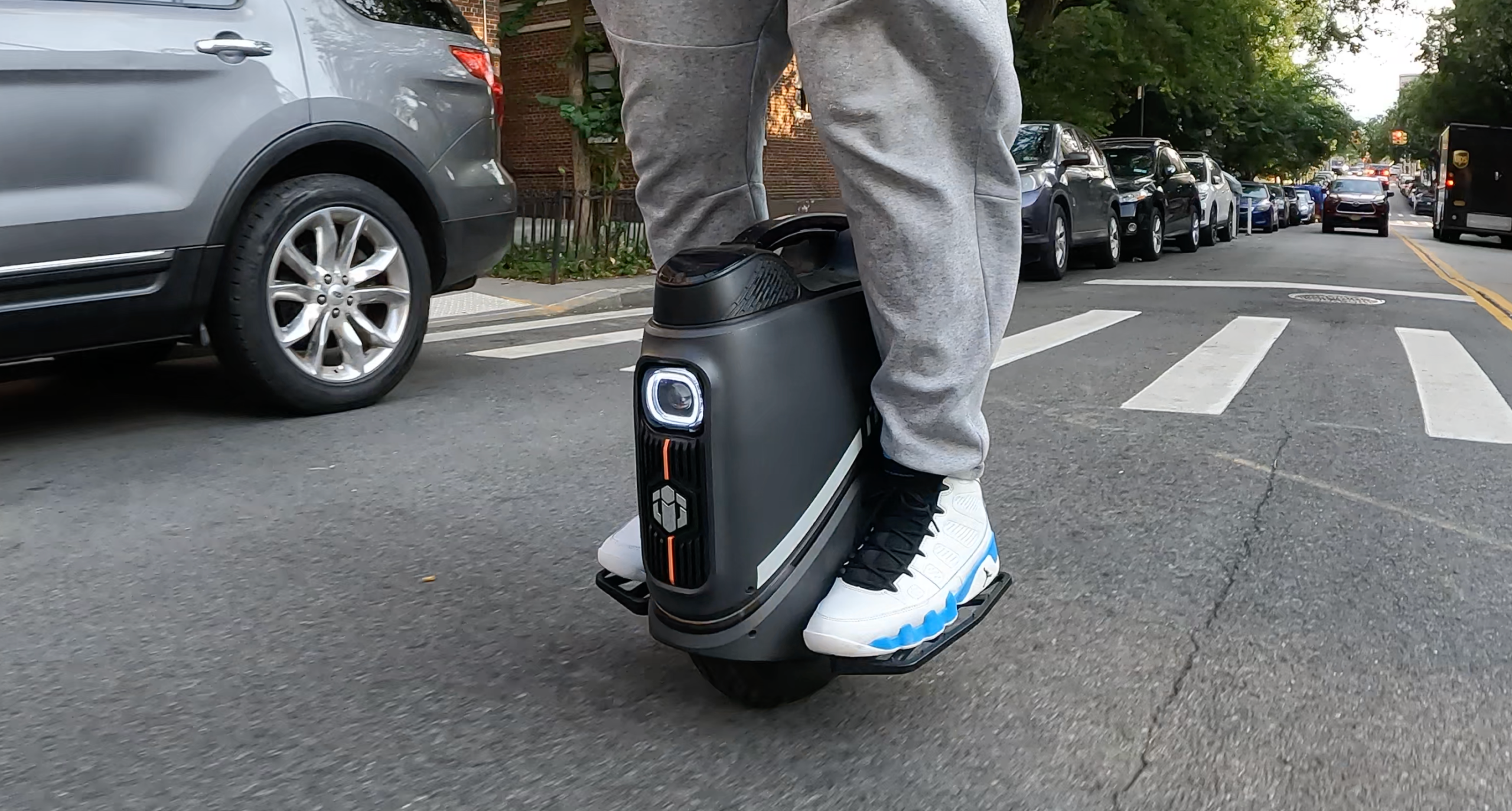
Personal electric mobility now offers more variety than ever. Someone looking for an alternative way to commute or explore can choose between compact electric scooters, self-balancing electric unicycles and increasingly sophisticated high-performance machines. INMOTION is unusual because it develops both major categories, giving riders the opportunity to compare very different styles of movement within one brand ecosystem. Electric scooters provide familiar handlebars, a standing deck and relatively quick accessibility, while electric unicycles offer exceptional compactness and a skill-based riding experience controlled by body movement. Neither format is automatically better. The right choice depends on learning tolerance, storage space, route conditions, desired range, portability and how involved the rider wants to be in mastering the vehicle. Looking at INMOTION models such as the V9, V11Y and V14 Pro alongside scooters like the Climber, C10 and RS shows how broad personal mobility has become.
Electric Scooters Offer a More Familiar Starting Point
Most people understand the basic concept of riding a scooter almost immediately. Handlebars provide steering input, a deck supports both feet and brake controls are familiar from bicycles. This does not mean an electric scooter requires no learning, but the initial adjustment is generally more intuitive than balancing on a single self-balancing wheel. For someone who wants to begin commuting quickly, an INMOTION scooter may therefore be the easier entry route. The Air-series models and other commuter-oriented options focus on practical mobility, while the Climber adds stronger hill capability. The C10 moves toward a more capable suspended dual-motor setup, and the RS family serves a very different group of performance enthusiasts.
Electric Unicycles Reward Riders Who Enjoy Learning a New Skill
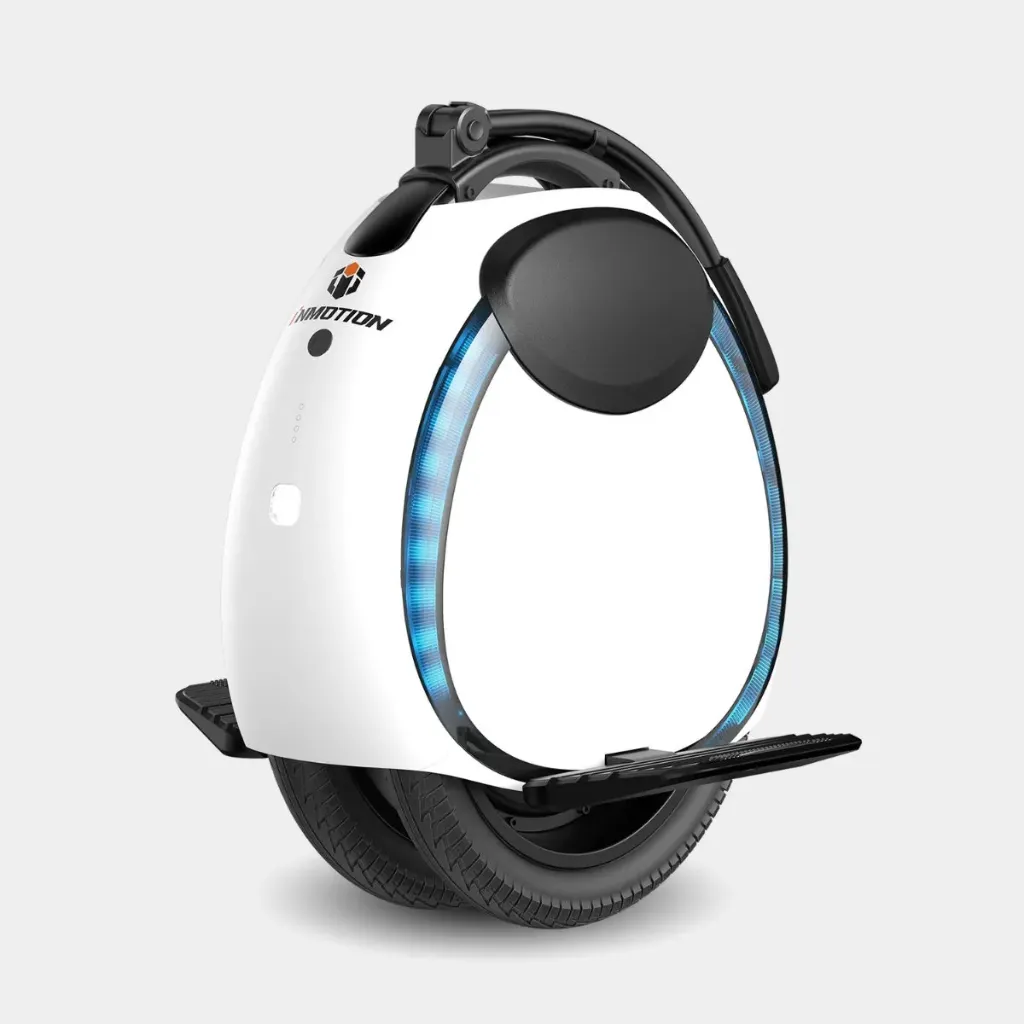
An EUC asks more from the rider at the beginning. There are no handlebars to steer with, and balance becomes part of every acceleration, turn and stop. Beginners often spend their first sessions practising beside a wall, railing or with an experienced helper in a controlled area. The reward is a compact machine that responds directly to body movement and can feel exceptionally fluid once mastered. INMOTION’s V6, V8S and V9 provide more approachable routes into the category, while the V11Y and V12S serve riders looking for suspension and more capability. High-performance models such as the V14 Pro and P6 belong to experienced riders who already understand EUC behaviour and the responsibilities associated with powerful equipment.
Electric Scooter or EUC: What Should You Compare First?
Before choosing between the two categories, consider the practical realities of everyday use:
- Learning curve: scooters are usually easier to understand initially, while EUCs demand dedicated practice.
- Portability: many EUCs are compact, although high-performance models can become very heavy.
- Storage: scooters occupy more floor space because of their deck and handlebar structure.
- Carrying: weight varies dramatically in both categories and should be checked carefully.
- Terrain: suspension and motor capability matter on rough or hilly routes.
- Range: choose according to real daily distance with a sensible battery reserve.
- Speed: higher performance increases the need for experience, protection and legal awareness.
- Weather: both formats require greater caution on wet, slippery or contaminated surfaces.
- Maintenance: tyres, brakes, batteries, fasteners and suspension components all require attention.
- Local regulations: public-road legality can differ substantially between electric scooters and EUCs.
Portability Is More Complicated Than Simply Checking the Weight
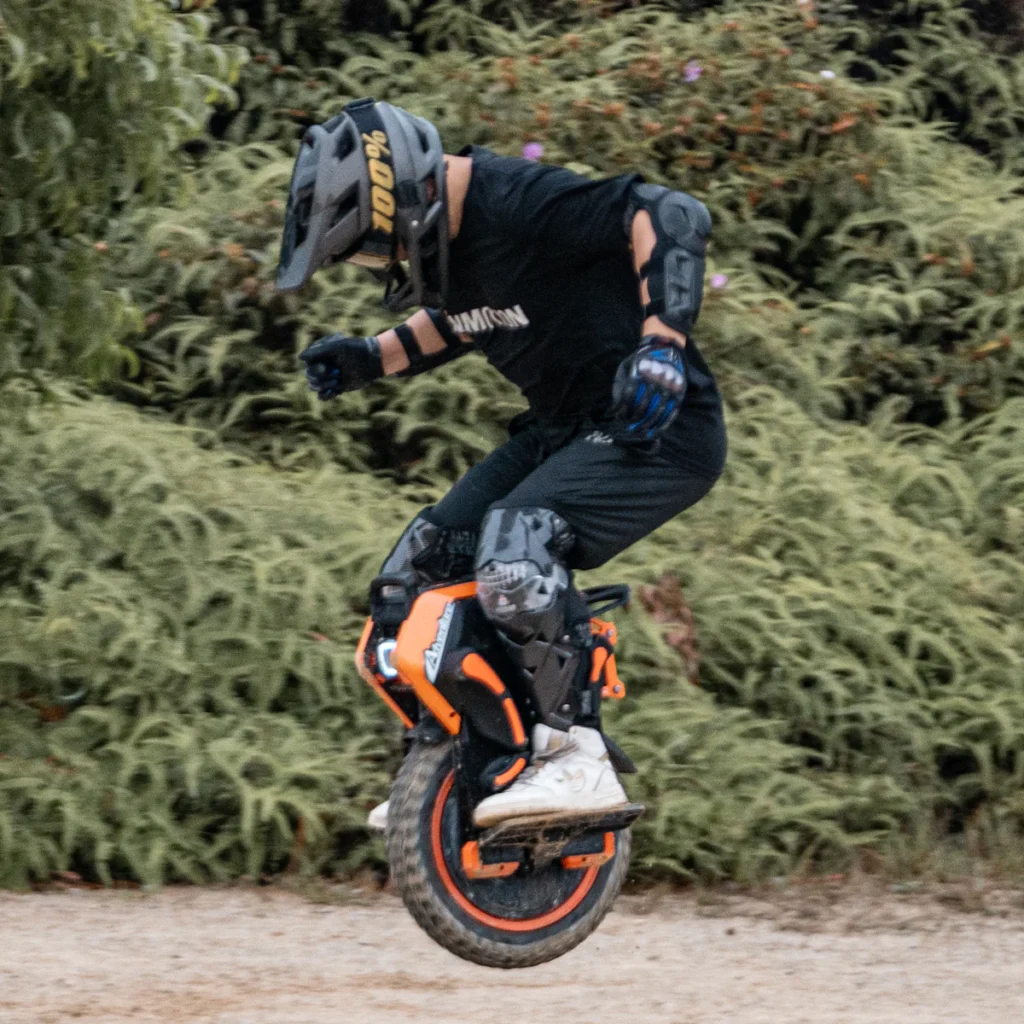
An EUC may appear extremely compact because it occupies very little floor area, but larger performance wheels can still be difficult to lift. Electric scooters spread their weight across a longer chassis, and some fold into a shape that is easier to place in a boot but awkward to carry upstairs. Buyers should think about the full journey. Does the device need to enter a train? Is there a lift at work? Will it be stored beneath a desk? Does the rider live in an apartment several floors above ground level? INMOTION offers both lightweight and very heavy performance-oriented machines, so choosing based only on riding specifications can lead to an inconvenient ownership experience.
Commuting Priorities Are Different From Recreational Performance
A commuter needs reliability, manageable weight, adequate range and predictable behaviour. An enthusiast may prioritise suspension travel, acceleration, trail performance or advanced tuning. Confusing these priorities can result in buying far more machine than daily life actually requires. The V9, for example, is positioned toward beginners and city commuting, while the V14 Pro is aimed at much more adventurous riding. The same contrast exists between practical scooters and the RS performance family. More power adds capability, but also weight, cost and responsibility. If most journeys are short and urban, a moderate model may be significantly easier to live with than a flagship machine.
INMOTION Gives Riders Room to Grow Rather Than Forcing Everyone Into the Same Mobility Style
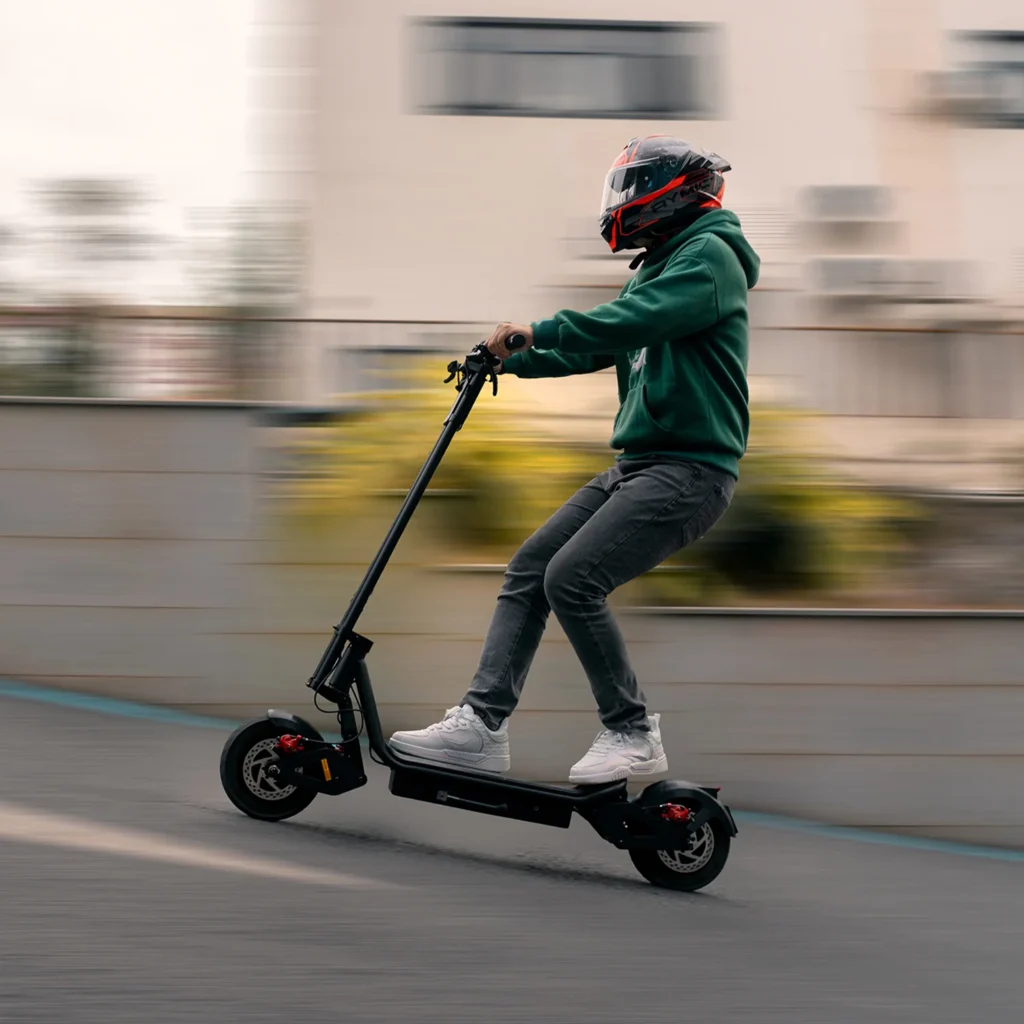
The most interesting aspect of the INMOTION range is the contrast between its machines. A beginner can explore personal electric mobility through an approachable scooter or a learning-focused EUC, while experienced riders can eventually move toward suspension, touring, off-road riding or much higher performance. The V6, V8S and V9 make electric unicycles more accessible, while the V11Y and V12S offer a more advanced next stage. On the scooter side, everyday models sit alongside the Climber, C10 and powerful RS family. The right choice is not determined by which machine is technically most impressive. It comes from matching the vehicle to the rider’s current ability, commute, storage situation and willingness to learn. When that match is made carefully, INMOTION offers several very different ways to experience electric mobility—and enough variety for that experience to evolve over time.