




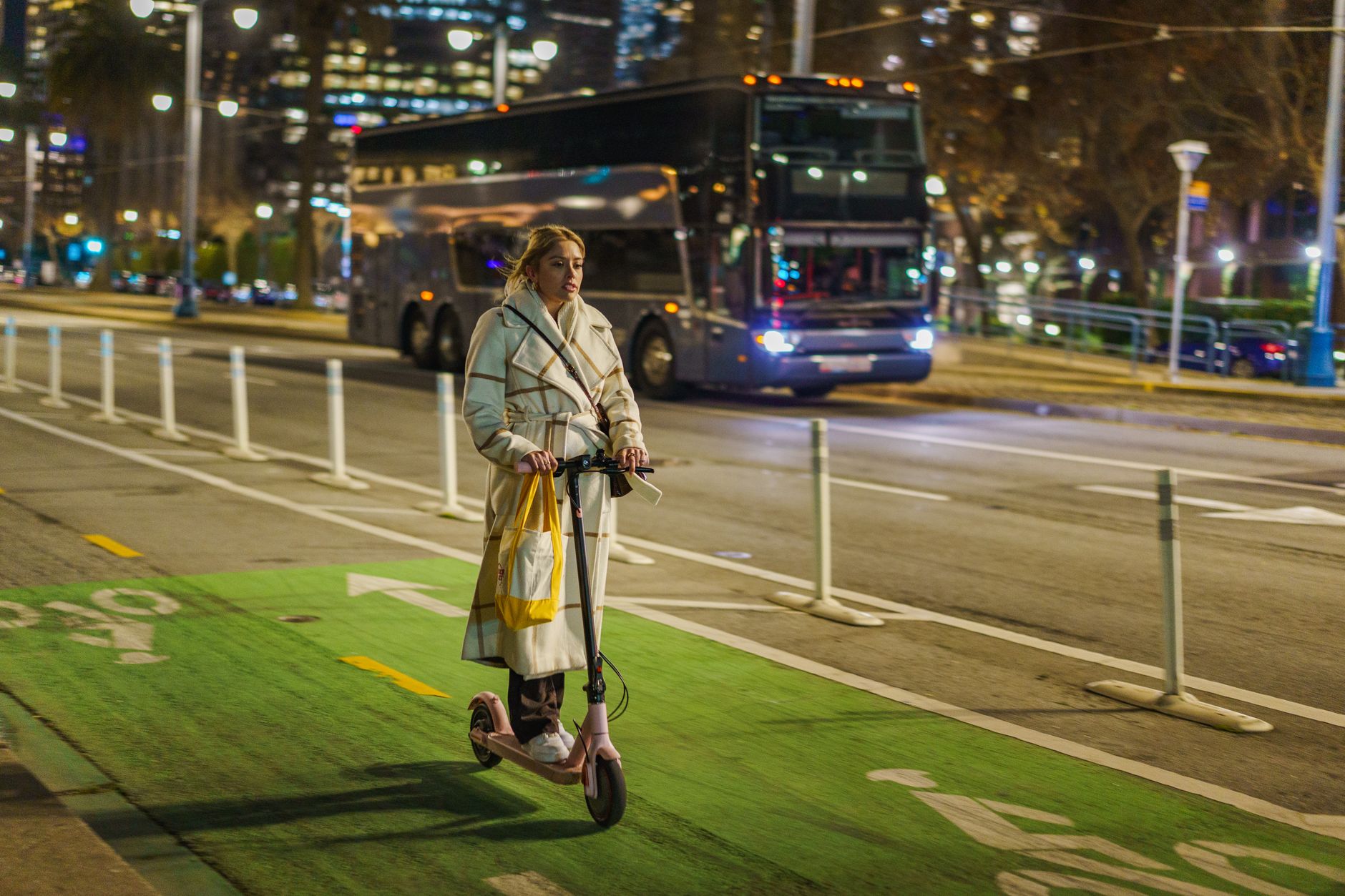
Shoppers weighing an adult electric scooter usually run into the same split: light machines built for pavement, and heavier ones built for dirt and gravel. Isinwheel‘s catalogue lays that split out clearly, with the S9 series on one side and the GT1 and GT2 off-road models on the other. Getting these electric scooters compared on motor power, range, and incline handling makes it easier to see which category actually fits a given use case.
Understanding the S9 Series: Lightweight Commuter Scooters
The S9 series from Isinwheel is built around everyday journeys rather than off-road outings, a split the brand carries through its wider range by keeping dedicated off-road lines, such as the GT1 and GT2, entirely separate. The base S9 model targets daily use, with a top speed of 15.5 mph and a range of 15.5 miles per charge. It is positioned for grocery runs, park rides, and short commutes rather than demanding terrain.
Its 350W motor, with a peak output of 500W, supports riders up to 265 lbs and manages a gradient of around 20%, which covers most residential streets and gentle slopes in a typical commute. That combination of modest weight and moderate climbing ability is what keeps the S9 firmly in the commuter category rather than the off-road one.
The S9 vs S9Max: Motor Power and Speed Differences

The S9Max steps up the same general format with more power. It uses a 500W front motor, reaching a top speed of 21.7 mph, noticeably quicker than the standard S9. Isinwheel built the S9Max for adults who want extra performance without moving into off-road territory.
Climbing ability also improves on the S9Max, which tackles inclines up to 25%, five points higher than the base S9. Its 36V 10Ah battery extends range beyond what the standard S9 offers, giving commuters more flexibility on longer routes. These differences keep the S9Max inside the commuter category while adding headroom for faster, steeper rides.
Off-Road Performance: GT1 and GT2 Specifications Explained
Moving away from pavement-focused models, the GT1 and GT2 target adventure riding. The GT1 runs an 800W brushless motor, and Isinwheel describes it as built for those who crave power and adventure. Its 48V 10Ah battery pack marks a clear step up from the 36V architecture used across the S9 line.
The GT2 pushes further with a 1200W brushless motor, reaching a claimed top speed of 28 mph, well beyond either S9 variant. Both models carry the heavier build and stronger battery setup that off-road riding tends to demand, which lines up with their higher power output compared with the commuter-focused S9 series.
Climbing Slopes and Rough Terrain: Motor Wattage and Incline Capability
Incline capability tracks closely with motor wattage across this lineup. The GT1’s 800W motor climbs slopes up to 30%, while the GT2’s 1200W motor goes further still, handling gradients up to 35%. This pattern shows why electric scooters compared by motor wattage also tend to differ in incline capability.
Terrain that includes loose gravel, dirt tracks, or steeper inclines sits more comfortably within the capability of the GT1 and GT2 than the S9 series. Riders sticking to paved paths and modest gradients generally have less need for that extra wattage. The figures across both groups make clear that wattage and gradient rise together rather than independently.
Range and Battery Capacity Across the Adult Lineup
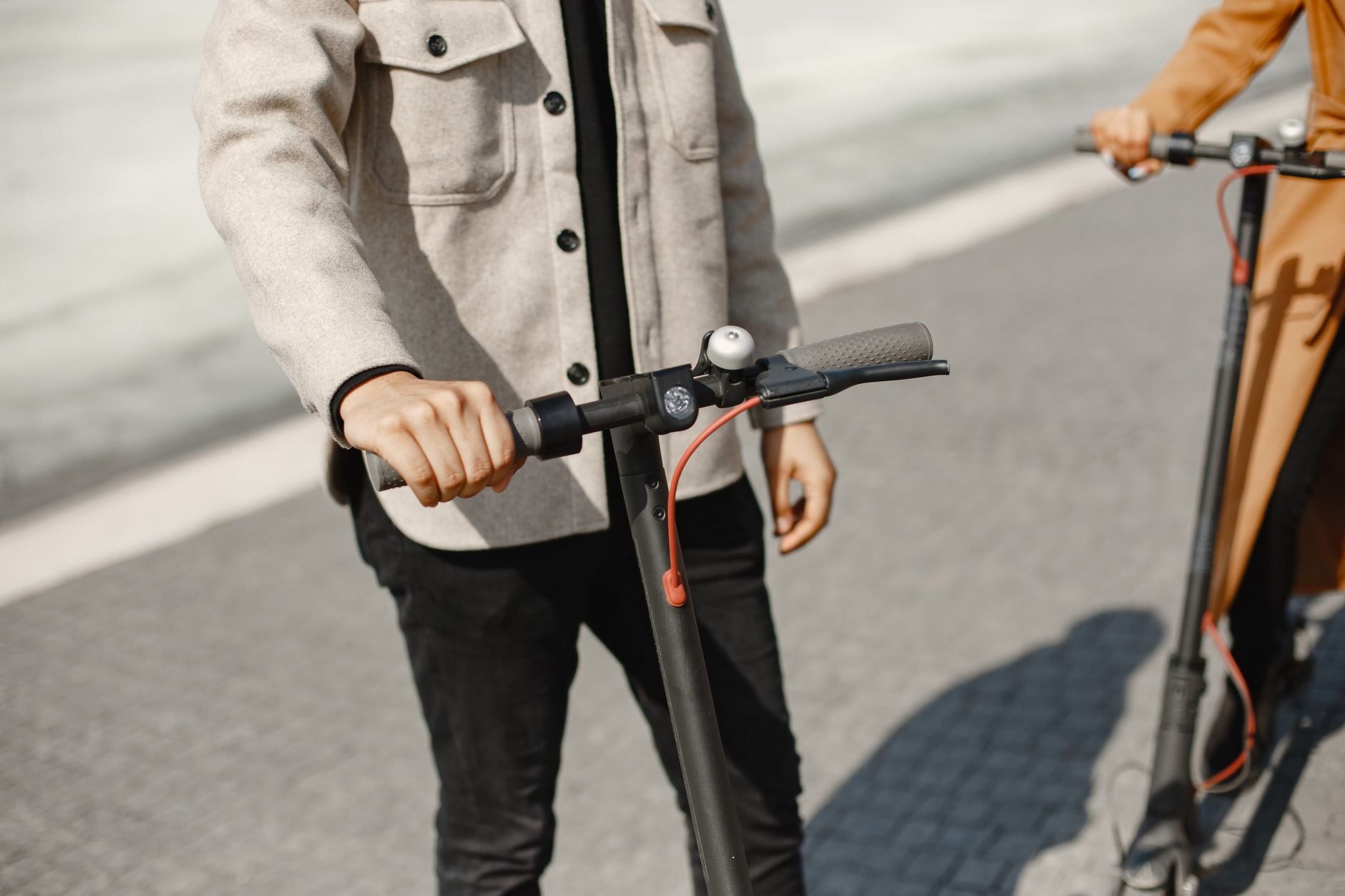
Looking at electric scooters compared across the full adult lineup shows battery figures moving in step with each model’s intended use. The S9 offers 15.5 miles per charge, suited to short, repeated trips, while the S9Max extends that distance with its 36V 10Ah pack for longer commutes. Isinwheel also lists the comfort-focused H7Pro separately, with up to 43 miles on a single charge and a fast charge time of 3 to 4 hours.
Weight capacity varies by model too. The H7Pro supports up to 330 lbs, while the S9 supports up to 265 lbs, figures worth checking against an individual rider’s needs. On top of that, the H7Pro adds a wide cushioned seat and dual oil-spring suspension, features aimed more at comfort than at raw climbing power.
- The S9 runs a 350W motor with a 500W peak, a 15.5 mph top speed, and handles gradients around 20%.
- The S9Max uses a 500W motor, reaches 21.7 mph, and climbs inclines up to 25%.
- The GT1 carries an 800W brushless motor and manages slopes up to 30%.
- The GT2 steps up to a 1200W brushless motor, a 28 mph top speed, and slopes up to 35%.
- Weight capacity ranges from up to 265 lbs on the S9 to up to 330 lbs on the comfort-oriented H7Pro.
Choosing Between City Commuting and Adventure Riding
The distinction reflects how Isinwheel separates everyday scooters from off-road models across its catalogue, and deciding between the two groups ultimately comes down to where a scooter will be ridden and how far it needs to go. Flat pavement, bike lanes, and short urban distances fit naturally with the S9 and S9Max, which keep weight and motor size modest. Rougher paths, steeper gradients, and longer rides fit better with the GT1 or GT2, given their stronger motors and higher incline ratings.
That structure makes electric scooters compared more a matter of terrain and distance than of brand preference. Anyone weighing motor wattage, climbing gradient, and battery range against actual riding conditions will find the distinction between these two groups fairly direct.
The gap between the S9 series and the GT1 and GT2 models reflects two different riding goals, not a simple upgrade path.