




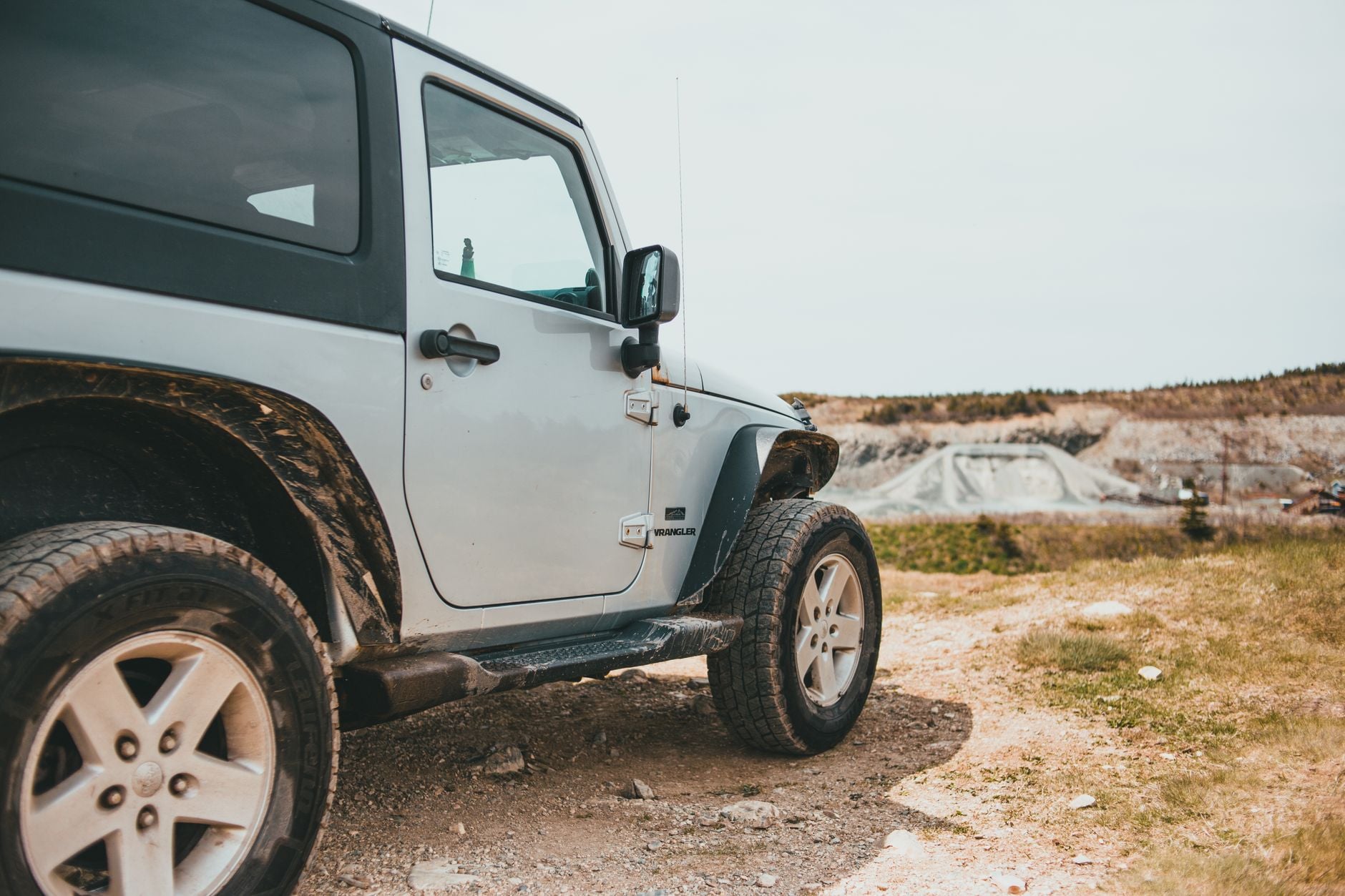
Long-time 4×4 owners tend to notice the gap between factory ride quality and something engineered specifically for sustained off-road use. OME suspension kits sit at the centre of that conversation, since they replace the compromises built into standard setups with components designed around load, terrain, and travel. Understanding where that difference actually shows up helps explain why seasoned enthusiasts treat suspension as a priority rather than an afterthought.
Understanding OME MT64 Shock Design and Engineering
Old Man Emu, the suspension line now developed under Arb4x4, has been part of the brand’s range since it took on the business decades ago. The current flagship in that range is the OME MT64, described by Arb4x4 as the all-round shock built to be bigger, bolder, and smoother than what came before it. That positioning signals a shock built for a wide spread of driving conditions rather than one narrow use case.
Factory shocks are tuned to a price point and a broad average driver profile. Arb4x4 approaches OME suspension kits differently, building them as a dedicated upgrade path rather than a replacement part copied from the original design. That distinction matters most once a vehicle carries extra weight or spends real time away from sealed roads.
ARB SmartBar and Front Protection: Steel vs Deformable Systems
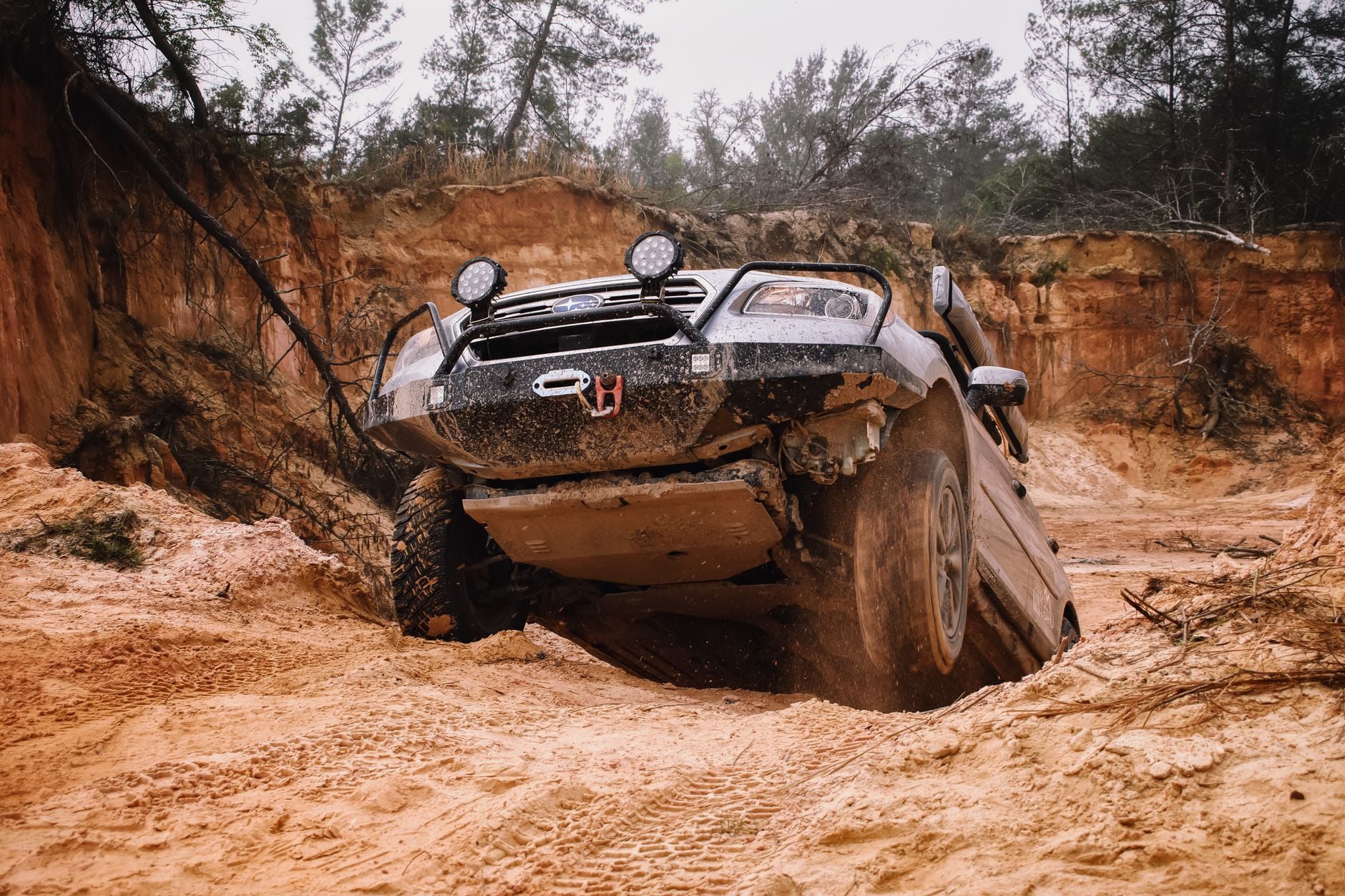
Suspension does not operate in isolation. The brand also produces the SmartBar, a front protection system acquired by the company and offered as a deformable alternative to traditional steel bull bars. Steel bars prioritise rigidity, while the SmartBar line is built around a different structural approach for front-end protection.
The front bar range spans both approaches, from StealthBar variants fitted to current utes to long-standing steel winch bars for older platforms like the Hilux and Discovery. Pairing a front bar with properly matched suspension kits keeps front-end geometry and weight distribution consistent, since added bar weight changes how the front axle sits.
Suspension Geometry: How OME Kits Alter Ride Height and Handling
Replacing factory shocks and springs changes more than comfort. It alters ride height, which in turn affects approach and departure angles, steering response, and how the vehicle settles under braking. A standard setup is calibrated for an unmodified vehicle, so adding accessories without adjusting suspension can leave geometry out of balance.
This is where OME suspension kits serve a specific function beyond comfort. They are designed to accommodate the kind of accessory loadouts common among 4×4 enthusiasts, including bars, canopies, and recovery gear. As a result, ride height and handling stay closer to intended specifications even as the vehicle’s weight and shape change.
Rooftop Tents and Load-Bearing Suspension Interaction
Arb4x4 sells several rooftop tent options, including the recently introduced Esperance and the Intrepid Aluminium hard shell model. Mounting a rooftop tent adds sustained weight high on the vehicle, which shifts the centre of gravity and increases demand on the suspension at rest and on the move.
A factory suspension setup was never engineered with a roof-mounted tent in mind. Suspension built for heavier, sustained loads is better matched to that kind of addition, which is one reason suspension and rooftop tent ranges tend to be marketed alongside each other rather than as unrelated categories.
Integrating OME Shocks With Other ARB Accessories
Arb4x4 describes its own design philosophy as building products that are over-engineered and intended to integrate easily together. That approach extends across the catalogue, from drawer systems and roof racks to under-vehicle protection kits for vehicles like the Land Cruiser Prado and Ford Ranger. Suspension sits at the foundation of that integration, since it is the component that absorbs the combined weight of everything else fitted to a vehicle.
Arb4x4 currently pairs a suspension kit purchase with a free Essentials Recovery Kit, or alternatively a free set of Tred Pro Black and Orange recovery boards. That bundling reflects how the brand treats suspension and recovery gear as parts of one connected setup rather than separate purchases.
Real-World Off-Road Demands That Expose Suspension Limits
Standard suspension setups are built to a general average, which means they can struggle once a vehicle is loaded for touring, fitted with protection gear, or driven consistently on rough tracks. Rock crawling, towing, and extended gravel driving all place different demands on shocks and springs than daily commuting does. That variation is exactly where the gap between OEM and aftermarket components becomes noticeable.
- Towing adds sustained rear-end load that factory shocks were not specifically tuned to absorb over long distances.
- Rock crawling demands controlled wheel travel and predictable damping across uneven, low-speed terrain.
- Highway touring benefits from stability at speed, particularly once a vehicle carries roof-mounted accessories such as a tent or rack.
- Daily commuting places the least demand on suspension, which is why factory setups often feel adequate until other driving scenarios are introduced.
Recognising which of these scenarios applies most often helps explain why some owners replace suspension early, while others wait until an accessory fit-out forces the issue. Suspension kits built around these varied conditions are positioned as a fit across that full range of use, rather than for a single scenario.
Suspension as the Common Thread
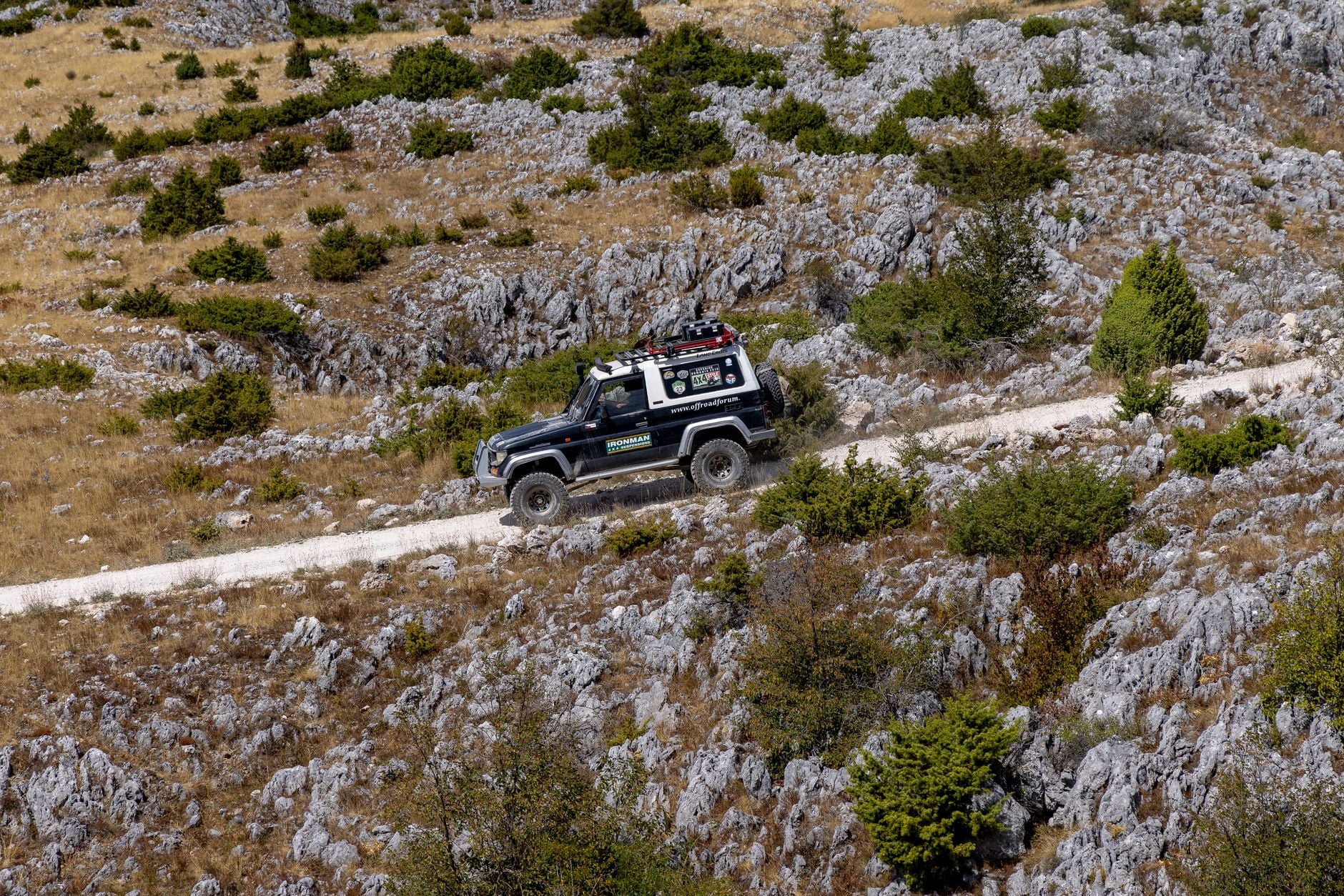
Every accessory added to a 4×4, from a front bar to a rooftop tent, ultimately rests on the suspension beneath it. That shared dependency is what ties these separate upgrades into one coherent system.