




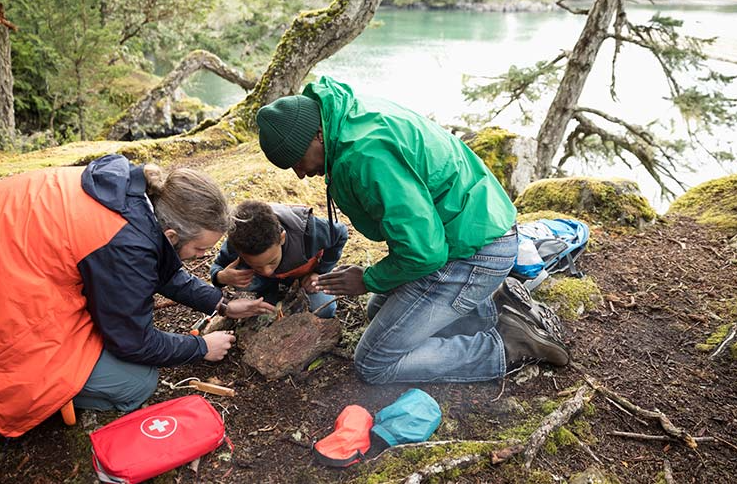
Outdoor adventures, hiking, camping, rock climbing, mountaineering, reward participants with physical challenge, mental clarity and natural beauty. Yet wilderness carries inherent risks requiring preparation. Remote locations remove immediate rescue access. Variable weather can shift rapidly without warning. Unexpected injuries occur far from medical facilities. Survive-X provides specialized gear enabling safe wilderness exploration. Proper preparation combines appropriate equipment, skill development, planning and realistic risk assessment. Understanding wilderness hazards and preparing comprehensively enables enjoyable adventures where you feel confident handling unexpected situations.
Assessing Your Skills and Physical Readiness
Honest self-assessment prevents adventures exceeding your capabilities. Attempting terrain or activities beyond your skill level invites injury and potentially emergency situations. Building expertise gradually through progressively challenging experiences develops capability safely. Physical fitness requirements vary by activity, rock climbing demands upper body strength, mountaineering requires cardiovascular endurance, distance hiking requires leg strength and stamina. Train specifically for your intended activity before departing. Build hiking endurance with progressively longer distances. Practice climbing techniques on safe indoor walls. Train for altitude if planning high-elevation adventures. survive-x Proper training prevents injury and multiplies enjoyment.
Planning Routes and Communicating Plans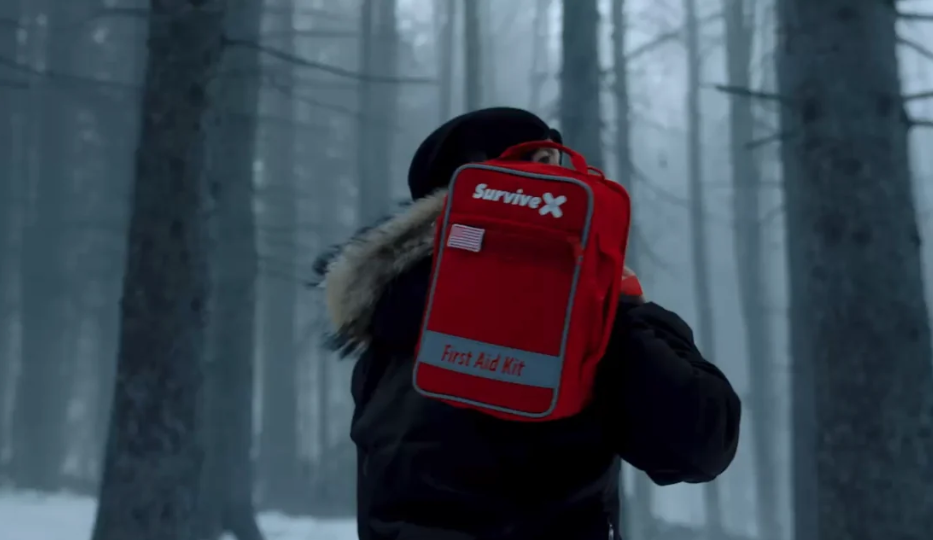
Detailed trip planning enables safe wilderness travel. Map your route thoroughly, noting distance, elevation change, water sources and potential hazards. Understand weather patterns typical during your trip dates. Know seasonal conditions, snow at elevation, flooding in canyons, extreme heat in deserts. Tell someone responsible where you’re going, your planned route, expected return time and your emergency contact information. Establish specific criteria for that person to notify authorities if you don’t return on schedule. survive-x Thorough planning enables rescuers to find you quickly if emergencies occur.
Carrying Appropriate Outdoor Survival Gear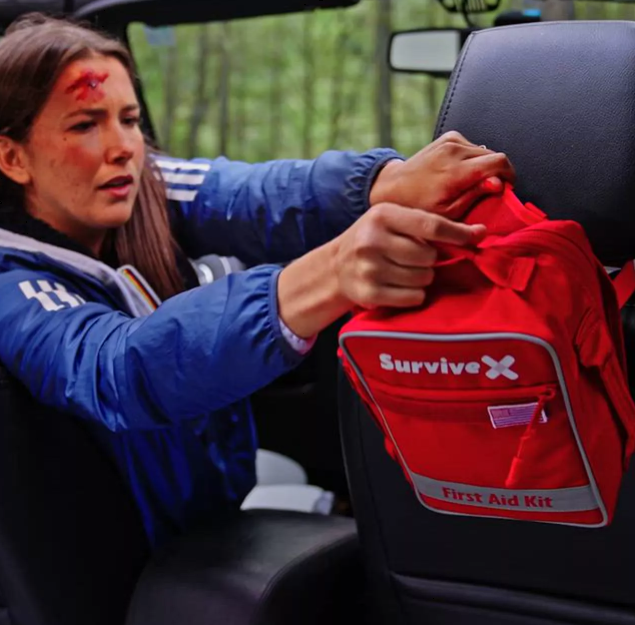
Hikers should carry supplies addressing potential wilderness emergencies. Extra water exceeds minimum needs ensuring adequate hydration. High-calorie snacks replace energy expended during exertion. First aid kits address common hiking injuries. Navigation tools, maps and compass, ensure you don’t become lost. Fire-starting materials provide heat during unexpected overnight stays. Insulating layers prevent hypothermia. Sun protection prevents severe sunburns. survive-x Comprehensive gear weighs less than consequences from being unprepared.
Understanding Weather and Environmental Hazards
Weather changes rapidly in wilderness areas. Clear mornings become afternoon thunderstorms. Temperature drops dramatically at sunset. Altitude increases weather severity. High winds are dangerous in exposed terrain. Lightning strikes during electrical storms kill and injure hikers. Identify weather threats before departing, severe heat, winter storms, flash flooding. Understand lightning safety, avoid peaks during electrical storms, seek shelter in substantial buildings or caves. Check weather forecasts before departing. Watch cloud development during hikes. Turn back immediately if dangerous weather approaches. survive-x Weather awareness prevents tragedy.
Managing Common Wilderness Injuries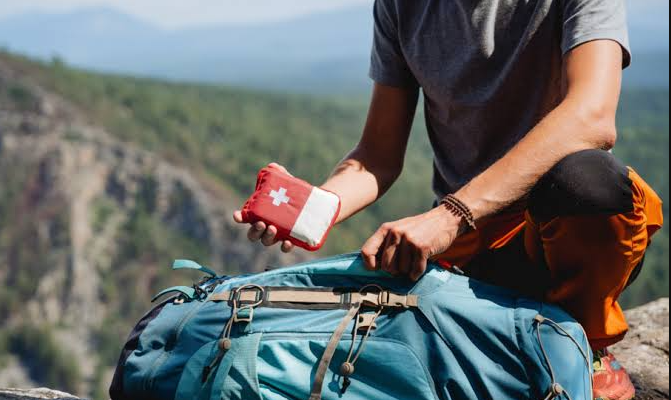
Wilderness injuries commonly occur, twisted ankles, cuts, bruises, dehydration, altitude sickness. Immediate self-treatment prevents minor injuries from becoming critical emergencies. Rest, ice, compression and elevation address sprains. Blister prevention, proper footwear and taping, prevents debilitating foot injuries. Hydration prevents heat exhaustion and altitude sickness. Sun protection prevents severe burns. Recognizing altitude sickness symptoms early enables descent before serious complications develop. Injury prevention and treatment skills keep adventures on track.
Advanced Wilderness Navigation and Safety
- Maps and compass skills enable navigation when technology fails or batteries die.
- GPS devices provide position confirmation but shouldn’t replace map skills.
- Whistle signals carry farther than shouting, enabling rescue communication.
- Bright clothing and reflective gear improve visibility for rescue searches.
- Regular check-ins via satellite communicators enable rescue if emergencies occur.
Outdoor adventures reward proper preparation with memories and experiences impossible to forget. Quality outdoor gear from experienced manufacturers enables safe exploration. Develop skills progressively through training and practice. Plan trips thoroughly. Carry appropriate supplies. Honestly assess conditions and turn back when necessary. Respect wilderness while enjoying adventures confidently.