




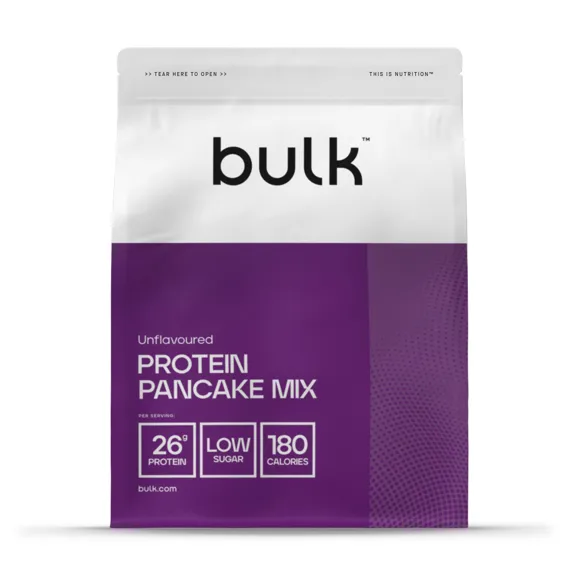
Experienced athletes who train on plant-based programs often spend months comparing protein sources before settling on one for daily use. A plant-based protein isolate sits at the center of that decision because it strips away much of the fiber and carbohydrate found in whole legumes or soy, leaving a more concentrated dose of amino acids per scoop. This article looks at how pea isolate compares with whey and soy alternatives, and where Bulk fits into that conversation.
Understanding Protein Isolate Concentration and Amino Acid Profiles
An isolate differs from a concentrate mainly in processing. Manufacturers remove more of the fat, carbohydrate, and fiber during isolation, which raises the proportion of protein by weight. This matters to athletes tracking macronutrient ratios closely, since a higher protein percentage per scoop means less filler and more predictable numbers on a nutrition label.
Amino acid profile is the other half of the comparison. Whey isolate is often chosen for its complete amino acid spread, while soy and pea isolates are plant sources that athletes combine with varied diets to cover the same ground. Understanding where each source sits on concentration and amino acid completeness helps explain why isolates, rather than whole-protein powders, dominate serious training plans.
Pea Protein Isolate: 80% Protein Content and Muscle Recovery Benefits
Bulk’s Super Pea Protein Isolate is described on the brand’s own product pages as delivering up to 80% protein content per 100g, with minimal fat and carbohydrate. Each serving provides at least 23g of plant protein, according to the brand, positioning it as a direct alternative to whey or soy for athletes who want to reduce dairy intake. The product is also listed with less than 0.2g of sugar per serving and a maximum of 120 calories.
It states the formula is intended to support muscle growth, fuel training sessions, and assist muscle repair. The brand notes the product is made from 100% yellow split peas and is manufactured in its own facility, with ingredients selected to support consistent quality. These details place the pea isolate squarely among the plant-based protein isolate options athletes weigh against dairy-derived alternatives.
Why Plant-Based Athletes Choose Isolates Over Whole-Protein Powders
Whole pea or soy protein powders carry more residual carbohydrate and fiber than their isolate counterparts. For athletes counting macros with precision, that difference changes how a shake fits into a daily plan. An isolate allows a higher protein dose without pulling in as much additional carbohydrate.
That concentration also affects how a product fits around training sessions, when digestion speed and stomach comfort carry more weight than usual. Choosing an isolate over a whole-protein powder is, for many plant-based athletes, less about taste and more about keeping the rest of the day’s nutrition plan predictable.
Digestibility and Stomach Comfort: Pea vs Whey and Soy
Digestibility is one of the more practical concerns raised by athletes comparing sources. Bulk describes its Super Pea Protein Isolate as being light on the stomach, which the brand frames as a reason athletes can use it around training without discomfort. This single claim is specific to the pea isolate line, rather than a general statement about every plant protein.
Whey and soy isolates each carry their own digestive reputations within the sports nutrition category, generally tied to lactose content for whey and to how thoroughly soy is processed. None of those broader category claims are detailed in Bulk’s own materials, so the comparison here stays limited to what the brand states about its pea isolate specifically.
Flavor Profiles and Mixability in the Bulk Range
The brand lists its Super Pea Protein Isolate in several flavor options, including Banana, Chocolate Mint, Coconut, Unflavoured, and Vanilla. The range is also sold in multiple pack sizes, from 500g up through 1kg, 2.5kg, and 5kg, giving athletes some flexibility in how much they order at once. Bulk reports the product holds a 4-star rating from more than 2,400 reviews, with feedback referencing a creamy vanilla taste as a reason customers pair it with a plant-based diet.
Mixability is often a sticking point with plant-based powders generally, since pea protein can behave differently in liquid compared with whey. Bulk‘s own description emphasizes rich, creamy flavors across its pea isolate line, positioning taste and texture as a deliberate part of the product rather than an afterthought.
Integrating Protein Isolates into a Structured Training Diet
It recommends targeting between 1.6 and 2.2g of protein per kilogram of body weight per day, a range the brand presents as part of building muscle and supporting training results. A plant-based protein isolate can be one tool among several for reaching that daily target, alongside whole food sources. Bulk frames its pea isolate as a daily addition rather than an occasional supplement.
The broader Bulk range extends beyond isolates into categories such as Creatine, Pre-workout, Protein Snacks, and Vegan-labelled products, which gives athletes building a structured diet several adjacent categories to draw from. Fitting an isolate into that wider plan is typically a matter of matching serving size and flavor preference to existing meal structure, rather than following a fixed formula.
- Pea protein isolate from Bulk provides up to 80% protein content per 100g with minimal fat and carbohydrate.
- Whey protein isolate is generally recognised within the sports nutrition category for a complete amino acid profile derived from dairy.
- Soy protein isolate serves as another plant-derived option that athletes sometimes compare against pea for amino acid coverage.
- Bulk’s pea isolate is described as light on the stomach, a digestibility point specific to that product line.
- Each serving of Bulk’s pea isolate contains less than 0.2g of sugar and no more than 120 calories, figures relevant to athletes tracking macronutrient ratios.
Comparing pea, whey, and soy isolates ultimately comes down to matching a specific product’s stated composition to individual training goals. As plant-based options continue to expand, the detail in a label, rather than the category label itself, decides what actually fits a training diet.