




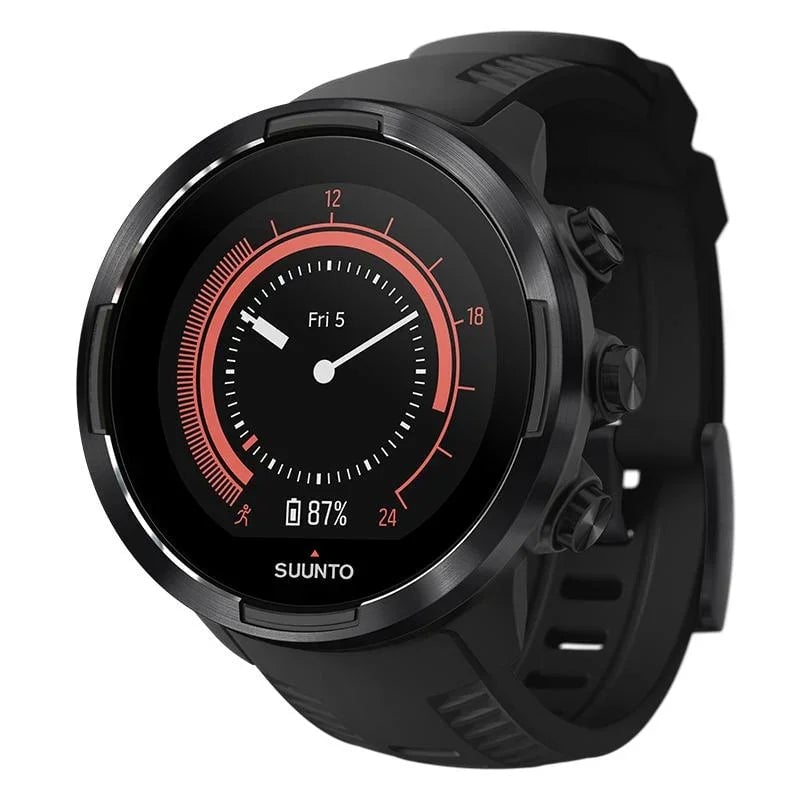
Picking between outdoor and multisport watches often comes down to weight, battery life, and the sensors packed into the case. When Us.suunto sports watch models compared side by side, three lines stand out for distinct reasons: the Race 3S for trail running, the Vertical 2 for expedition-length navigation, and the Core 2 for off-grid simplicity. Each targets a different kind of outing, and the differences show up in the specifications as much as in the branding.
Suunto Race 3S: Lightweight Design for Trail Running Performance
Us.suunto built the Race 3S around a titanium case that weighs just 56 grams, aimed at runners who want a lightweight watch for technical terrain. It pairs a 2,000-nit AMOLED display with 64GB of storage for music, and it includes an AI Coach feature for personalized training guidance. Dual-band GPS battery life reaches up to 38 hours, which matters on longer trail sessions where signal accuracy near cliffs or tree cover can otherwise suffer.
Beyond the hardware, the watch adds a Smart Race Strategy tool built specifically for trail racing, paired with all-terrain navigation supported by free global maps, giving the Race 3S a narrower focus than the other GPS-based lines. The watch is marketed toward smaller wrists as well, which separates it from other GPS-focused models in the range. For anyone comparing Suunto sports watch models on the basis of pure portability, the Race 3S sits at the lighter end of the lineup.
Suunto Vertical 2: Extended Battery and Advanced Navigation for Expedition Pursuits
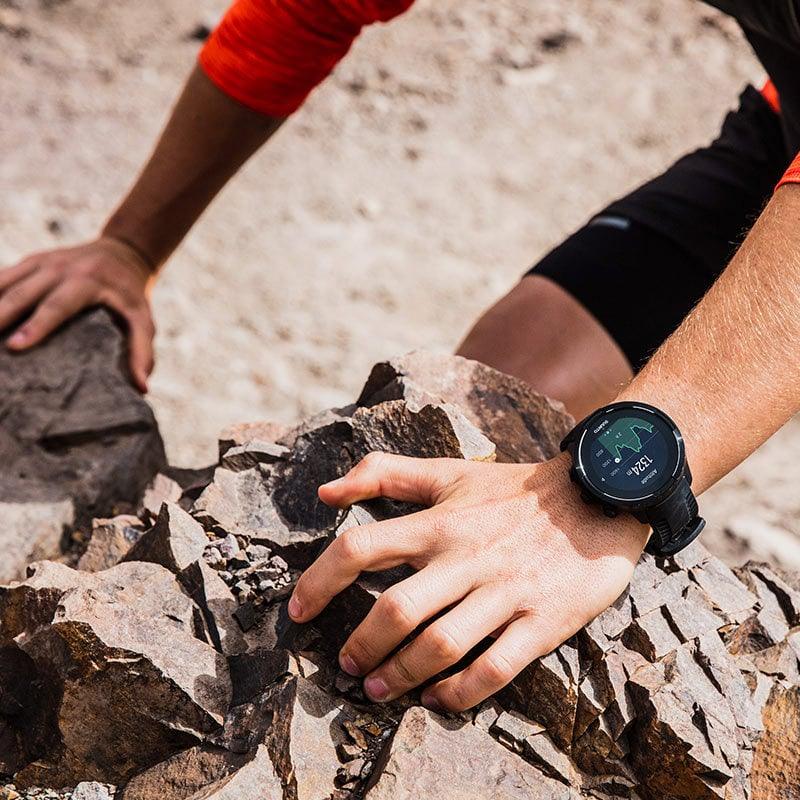
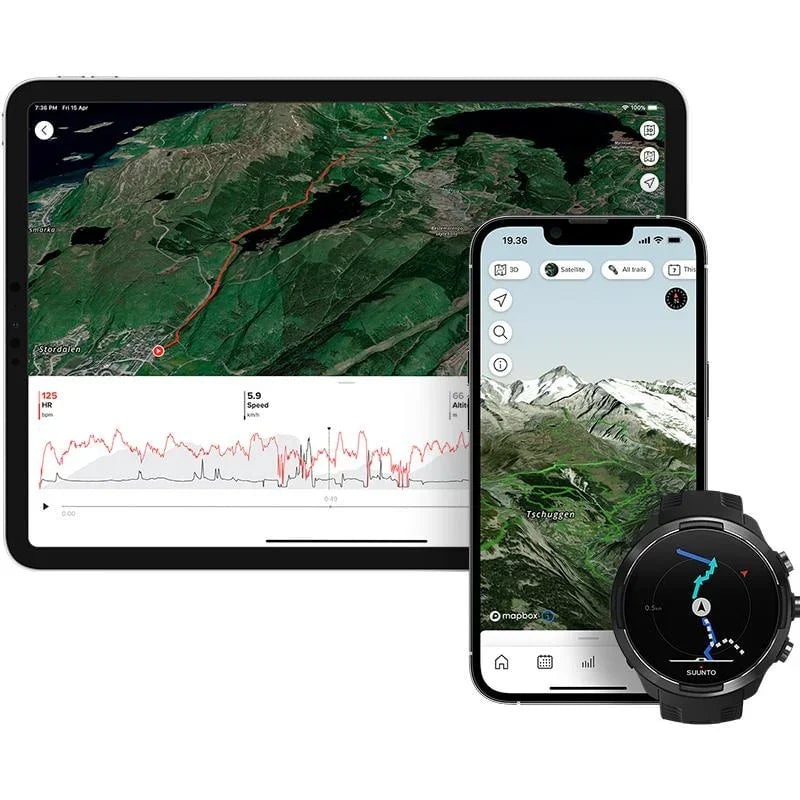
Where the Race 3S favors minimal weight, the Vertical 2 leans into endurance. It offers a bright 1.5-inch AMOLED display, improved offline maps, and up to 65 hours of battery life in its most capable GPS mode. That stretch is meant for long outdoor pursuits, including multi-day treks where recharging options are limited.
The Vertical 2 also carries more than 115 sport modes, an integrated LED flashlight, and improved heart rate tracking compared to its predecessor. This model is built around navigation and endurance training rather than speed, a meaningful distinction for anyone planning backcountry routes. An earlier titanium solar version in the same family extended battery life even further, reaching up to 60 days of daily use in certain configurations.
Suunto Core 2: ABC Sensors and Off-Grid Adventure Capabilities
The Core 2 takes a different approach entirely, prioritizing the classic altimeter, barometer, and compass sensor set, commonly shortened to ABC. It is built for off-grid adventures where altitude readings, weather trends, and directional bearing matter more than pace splits or running metrics. The watch is positioned plainly as an outdoor companion for altitude, weather, and direction in the backcountry.
Earlier Core models in the same family, such as the Core Alpha Stealth, included a night vision goggle compatible red backlight and water resistance up to 30 meters, suitable for shallow snorkeling. The standard Core All Black carried 12 months of battery life in time mode and a mineral crystal screen with an aluminum bezel. These details illustrate how the Core line generally trades GPS-heavy features for long-lasting, low-maintenance outdoor functionality.
Key Differences in Display Technology and Battery Life Across Models
Display technology varies sharply across the three lines. The Race 3S and Vertical 2 both use AMOLED touchscreens, with the Race 3S reaching 2,000 nits of brightness, while the Core 2 relies on a simpler, rugged display suited to its ABC-first design. Battery life tells a similar story of trade-offs between brightness and endurance.
When Us.suunto sports watch models compared on battery alone, the Vertical 2 leads with up to 65 hours in GPS mode, followed by the Race 3S at up to 38 hours of dual-band GPS recording. The Core 2, lacking GPS tracking altogether, is built instead for long-term time-mode use rather than continuous satellite positioning. That distinction alone often decides which watch suits a given type of outing.
- The Race 3S weighs 56 grams and delivers up to 38 hours of dual-band GPS battery life.
- The Vertical 2 offers up to 65 hours of GPS battery life along with more than 115 sport modes.
- The Core 2 is built around ABC sensors rather than GPS, focusing on altimeter, barometer, and compass readings.
- The Race 3S includes 64GB of storage for music during training or racing.
- The Vertical 2 integrates an LED flashlight directly into the watch body.
- Earlier Core models, like the Core Alpha Stealth, included water resistance up to 30 meters for shallow snorkeling.
Sport Mode Coverage and Training Features by Watch Line
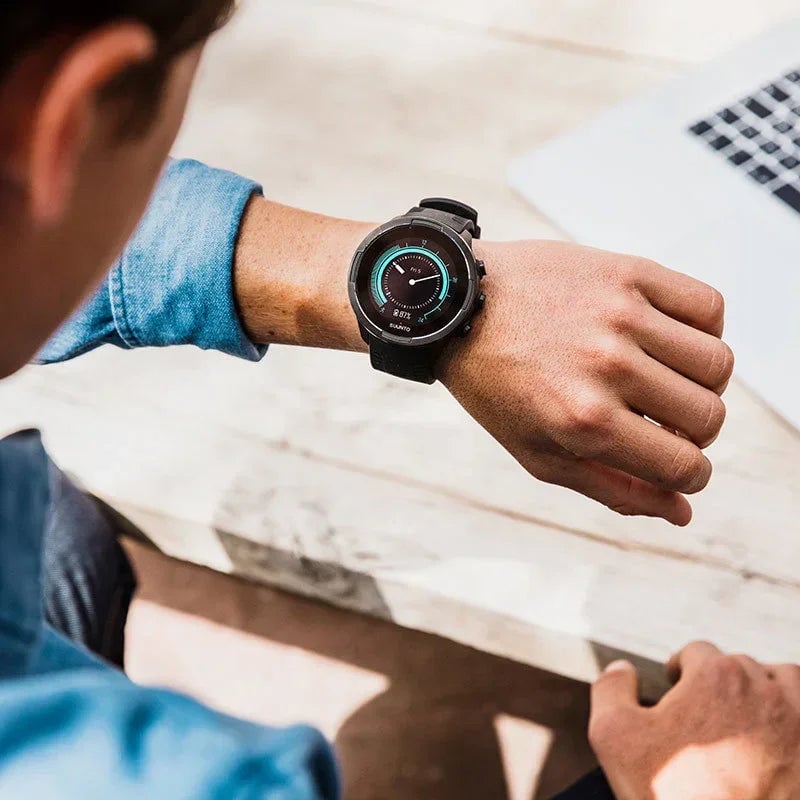
Training depth also separates these lines. The Vertical 2 and the related Race 2 both list more than 115 sport modes, reflecting a broad multisport orientation that covers everything from trail sessions to structured interval work. The Race 3S, by comparison, concentrates that coverage on trail running and race-day scenarios rather than general fitness tracking.
The Core 2, by contrast, is not built around sport-mode variety at all. Its feature set centers on environmental readings rather than workout tracking, which makes it a poor comparison point on training metrics alone. That said, this is exactly why Us.suunto sports watch models compared side by side reveal such different intended uses rather than a simple hierarchy of better or worse.
When to Choose Each Suunto Watch Model for Your Activity
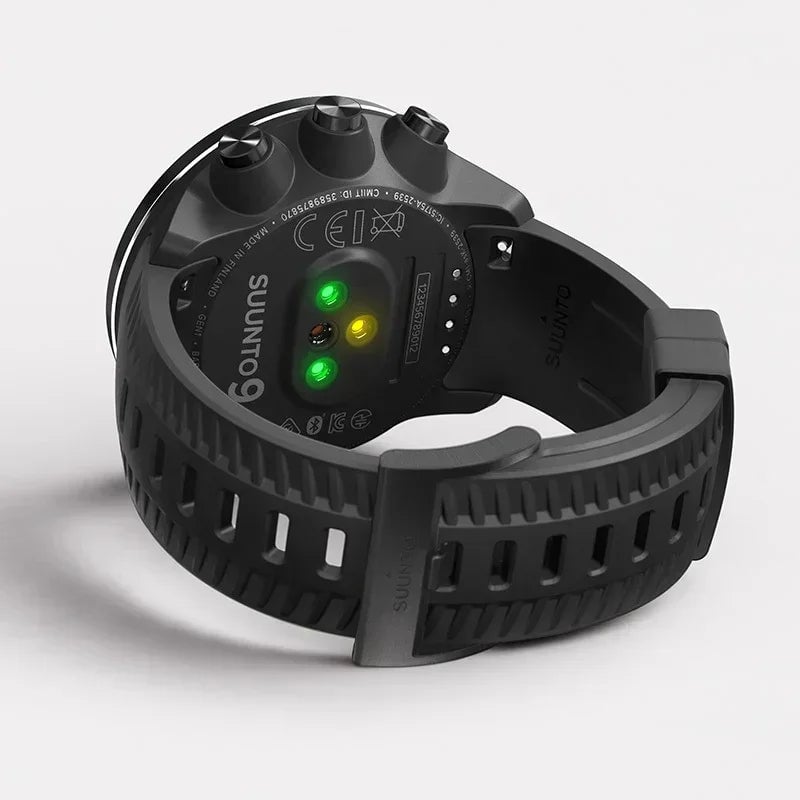
Trail running on technical terrain and long miles pairs naturally with the lightweight build of the Race 3S. Multi-day expeditions, where navigation and extended battery life matter most, align more closely with the Vertical 2. Meanwhile, the Core 2 serves a narrower but distinct purpose centered on off-grid orientation and weather awareness rather than performance tracking.
These three paths do not overlap much, which is part of why the lineup keeps them as separate products rather than a single do-everything design. Comparing Us.suunto sports watch models for a specific activity, whether racing, trekking, or backcountry navigation, tends to point toward one line fitting more naturally than the others. The outcome often depends on whether GPS tracking, ABC sensors, or sheer battery endurance matters most for the activity in question.
Across trail running, expedition trekking, and off-grid navigation, these three lines each answer a different practical need rather than competing on the same ground.