




The hemp cannabinoid landscape has exploded into something genuinely exciting. If you walked into a wellness retailer five years ago, your options were limited. Today, you’re faced with a dizzying array of cannabinoids, formats, potencies and brands. Understanding how to navigate this space thoughtfully is essential if you want to find products that actually align with your wellness goals.
The Modern Hemp Cannabinoid Portfolio
Delta 9 THC gets all the attention, but the hemp plant contains a whole universe of compounds. The most popular alternatives include delta 8 and delta 10, which offer distinct experiences. Beyond the deltas, you have CBG (cannabigerol), CBN (cannabinol), THCV and dozens of minor cannabinoids. Each has a different profile, different potential benefits and different interactions with your endocannabinoid system. The sophistication of the modern market is that you can actually experiment with these compounds individually and find what works for you.
The key insight there’s no universal best cannabinoid. Your ideal product depends on your body chemistry, your wellness goals, your sensitivity and what effects you’re seeking. A cannabinoid that’s perfect for your friend might not work for you. This is where thoughtful selection becomes crucial.
Delta 8 vs Delta 10 Understanding the Distinction
Delta 8 and delta 10 are the most accessible hemp-derived THC alternatives. Delta 8 is known for a smooth, relaxed, almost meditative quality. Users often report gentle mental clarity without heavy sedation. It’s ideal if you want to unwind in the evening without feeling knocked out or if you want to take the edge off anxiety without feeling foggy.
Delta 10, by contrast, tends toward an uplifting, energetic sensation. Many users describe it as closer to what they’d experience with traditional products, but with a cleaner, more functional edge. It’s popular with people who want to explore hemp-derived cannabinoids during the daytime without energy-draining effects. Some users actually stack both, using delta 10 in the morning and delta 8 in the evening.
CBG and CBN The Subtle Players
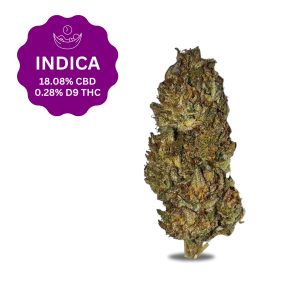
CBG (cannabigerol) is often called the stem cell cannabinoid because it’s a precursor to other cannabinoids during plant growth. Users who try CBG often report a clear, focused sensation without intoxication. It’s not psychoactive like delta cannabinoids, but many people perceive genuine effects, mental clarity, motivation, gentle uplift. CBG is gaining popularity among users who want cannabinoid benefits but don’t want the consciousness-altering aspect.
CBN (cannabinol) is different. It’s created as THC degrades over time and it’s become famous for one thing sleep support. Many users swear by CBN products taken 30-60 minutes before bed. Unlike sedating edibles, CBN is thought to support sleep without the hangover feeling some people get. Whether you’re a poor sleeper looking for natural support or just someone who wants to upgrade your bedtime routine, CBN has earned a dedicated following.
Format Matters Choosing How You Consume
Cannabinoid products come in wildly different formats, each with distinct advantages
- Tinctures offer fast onset and precise dosing, making them ideal for experimentation and finding your exact dose.
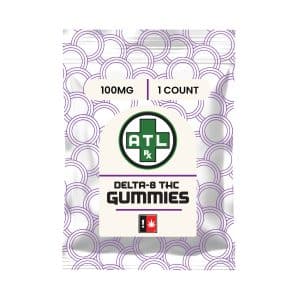
- Edibles (gummies, chocolates) provide long-lasting effects with slower onset, perfect if you want sustained benefits throughout your day.
- Flower (hemp buds) offers the most traditional smoking or vaping experience with maximum potency.
- Cartridges deliver effects within minutes with maximum convenience and discretion.
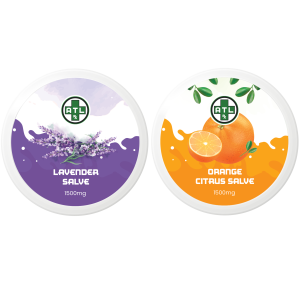
- Topicals bypass systemic effects entirely, addressing localized needs without any intoxication.
The best format depends on your lifestyle and preferences. Are you looking for quick, discreet effects? Cartridges are ideal. Want precise dosing and flexibility? Tinctures. Prefer something that tastes good and feels like a ritual? Edibles. Seeking maximum potency and least waste? Flower. There’s no wrong choice, only what fits your actual life.
Potency Levels Finding Your Dose Sweet Spot
Products vary wildly in potency. Gummies might be 5mg, 10mg or 25mg each. Tinctures range from 300mg per bottle (weak) to 3000mg+ per bottle (strong). Knowing the difference matters because starting at the wrong potency can derail your entire experience. New users should look for entry-level products, lower potencies let you experiment without overwhelming yourself. Once you know how your body responds, you can scale up to stronger products if you want more pronounced effects.
A useful rule the most expensive product isn’t always the right one. A lower-potency product from a quality brand beats a high-potency product from someone you don’t trust. Quality, testing and transparency matter more than raw numbers on the label.
Third-Party Testing and Transparency Non-Negotiable Markers
In an unregulated market, third-party lab testing is your primary assurance of quality and safety. Reputable brands publish their lab results freely. These tests confirm cannabinoid content (is the label accurate?), verify THC levels (is it compliant?) and test for contaminants like heavy metals, pesticides and mold. If a brand won’t share lab results, that’s a massive red flag. You’re not just buying a product; you’re buying the brand’s integrity and the safety of what you’re putting into your body.
Transparency extends beyond testing. Good brands publish their extraction methods, their sourcing, their formulation philosophy and their customer service information. They’re willing to answer questions and stand behind their products. This level of openness is standard among premium retailers and should be your baseline expectation.
Price vs Quality What Actually Matters
Hemp cannabinoid products range from dirt cheap to premium. The expensive ones aren’t always worth the premium price. Conversely, the cheapest options are often cheap for a reason, they skip testing, use poor sourcing or cut corners on quality. The sweet spot is usually mid-range from a trusted brand that publishes testing, has consistent reviews and stands behind their products. You’re paying for reliability, not hype.
Budget roughly 30-60 dollars for quality tinctures, 15-25 dollars for quality gummies, 40-80 dollars for cartridges and 20-40 dollars for hemp flower. These ranges reflect actual cost of production, testing and ethical sourcing. Significantly cheaper products warrant skepticism; significantly more expensive ones should offer something genuinely distinctive.
The Selection Process A Framework
Start by identifying your goal. Are you seeking relaxation? Delta 8 or CBN. Uplifting energy? Delta 10 or CBG. Sleep support? CBN. General wellness exploration? Delta 8 or full-spectrum products. Once you’ve identified your target cannabinoid, choose a format that fits your lifestyle. Then prioritize brands with lab testing, positive reviews and transparent practices. Start with a lower potency, observe for 2-4 weeks of consistent use and adjust based on how you feel.
Most importantly be patient. Hemp cannabinoid experiences are personal and individual. What works beautifully for one person might not click for another. Give each product a genuine trial before deciding it’s not for you. Keep notes on how you feel at different dosages. Over time, you’ll develop a clear sense of what works for your unique chemistry.
Looking Forward
The hemp cannabinoid space is maturing rapidly. Brands are investing in quality, research is clarifying effects and consumer knowledge is improving. This means better products, more transparency and more informed choices. The confusion of today becomes the clarity of tomorrow. By exploring thoughtfully now, you’re positioning yourself to make informed decisions that genuinely support your wellness.
The future of hemp wellness is personalized. You get to experiment, discover and build a practice that’s tailored to your body and your needs. That level of control and choice is genuinely exciting.