





The bedroom is one of the few spaces in the home where comfort should take priority over almost everything else. It is where the day begins and ends, yet bedroom shopping can easily become dominated by appearance, trends or impressive product descriptions rather than the simple question of how the space actually feels. The Sleep People brings attention back to the essentials of a welcoming sleep environment through products designed around the bed itself – supportive foundations, pillows, duvets, bedding and practical protective layers.
Creating a more relaxing bedroom does not require turning it into a luxury hotel suite. It requires understanding personal preferences and making a series of smaller choices that work together. A comfortable bed, manageable temperature, clean bedding and a less cluttered environment can make the room feel more intentional without needing a complete renovation.
The Bed Should Be the Starting Point of the Entire Bedroom
Because the bed is usually the largest piece of furniture in the room, both comfort and styling naturally begin there. The Sleep People’s focus on sleep products makes this a practical starting point when refreshing the space. Before choosing decorative accessories, customers should consider whether their current mattress and pillows still feel comfortable and whether the bedding works with the room temperature. If the foundation is wrong, decorative cushions and new curtains are unlikely to change the overall experience. Once the bed feels right, the rest of the room becomes easier to plan around it. A calm colour palette, appropriate bedside lighting and simple storage can then support the bed rather than compete with it.
Mattress Comfort Is Personal and Should Never Be Chosen by Trend Alone
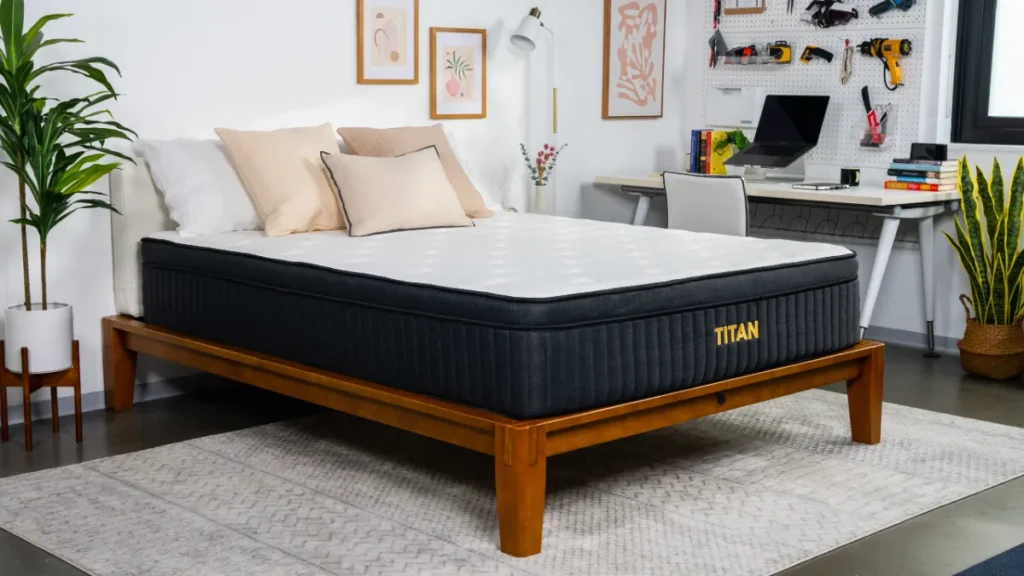
Terms such as soft, medium and firm can be useful, but they do not mean every sleeper will experience a mattress in the same way. Body weight, sleeping position and personal preference all influence how a surface feels. Someone accustomed to a softer bed may find a firmer product uncomfortable even if it is popular, while another person may dislike the feeling of sinking deeply into cushioning. The Sleep People’s broader bedroom approach encourages customers to choose according to actual comfort rather than assuming one type is universally superior. Dimensions are equally important. A larger mattress may sound appealing, but the surrounding room still needs enough space for movement, bedside furniture and opening wardrobes or doors comfortably.
What Makes a Bedroom Feel More Relaxing?
A restful atmosphere can often be created with simple, practical choices:
- Comfortable bedding that feels pleasant and suits the temperature.
- Pillows matched to personal preference rather than chosen only for appearance.
- A clean mattress protector that makes regular maintenance easier.
- Soft bedside lighting instead of relying only on harsh overhead light.
- A manageable room temperature that does not feel excessively warm.
- Simple storage that keeps unnecessary clutter away from the bed.
- Curtains or blinds that help control unwanted light.
- A spare blanket or throw for nights when extra warmth is needed.
- Fresh bedding rotated regularly to keep the bed feeling inviting.
- A quieter evening environment that helps separate bedtime from daytime activity.
Bedroom Temperature Can Be Just as Important as Bedding Style
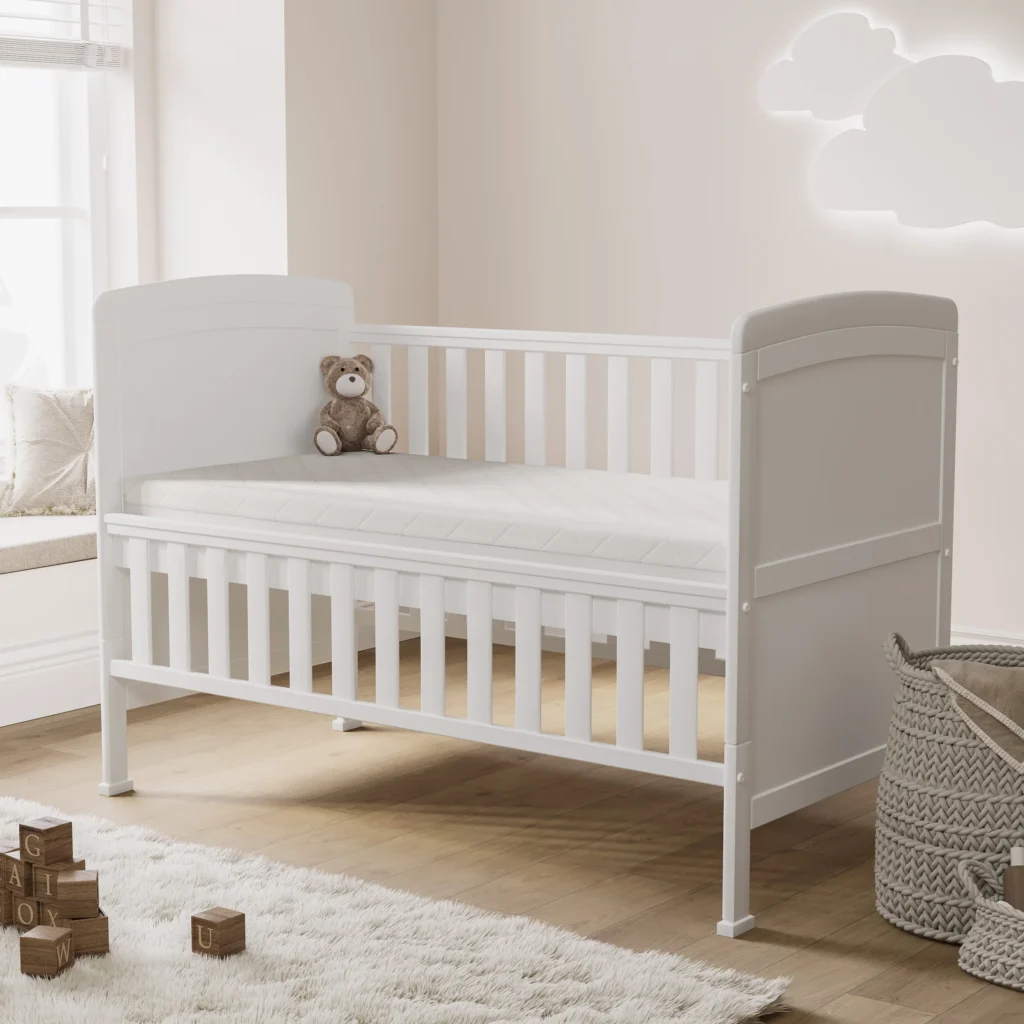
A beautiful duvet is not useful if it constantly makes the sleeper too hot. Likewise, extremely lightweight bedding may look elegant but feel uncomfortable in a cold bedroom. The Sleep People’s sleep-focused products can be chosen more effectively when customers first think about their actual environment. Heating habits, insulation, airflow and individual temperature preferences should all influence the decision. Layering provides useful flexibility because extra warmth can be added or removed without changing the entire bed. Breathable sleepwear and sensible room ventilation can also contribute to comfort. The aim is not to make the bedroom cold or warm according to a rigid rule, but to create conditions in which the sleeper feels physically relaxed.
Lighting Helps Tell the Body That the Day Is Slowing Down
The bedroom does not need elaborate smart lighting to feel calmer. A small bedside lamp with softer illumination can create a very different atmosphere from bright ceiling lights. The visual environment matters because the room should gradually transition from activity to rest. The Sleep People may primarily focus on what is happening on the bed, but bedding works best as part of a wider environment that supports relaxation. Keeping work equipment away from the sleeping area where possible can also help maintain this separation. In small homes that may not always be realistic, but even simple habits such as putting laptops away and reducing clutter before bed can make the space feel less like an office.
The Sleep People Helps Turn Everyday Bedroom Essentials Into a More Thoughtful Sleep Space
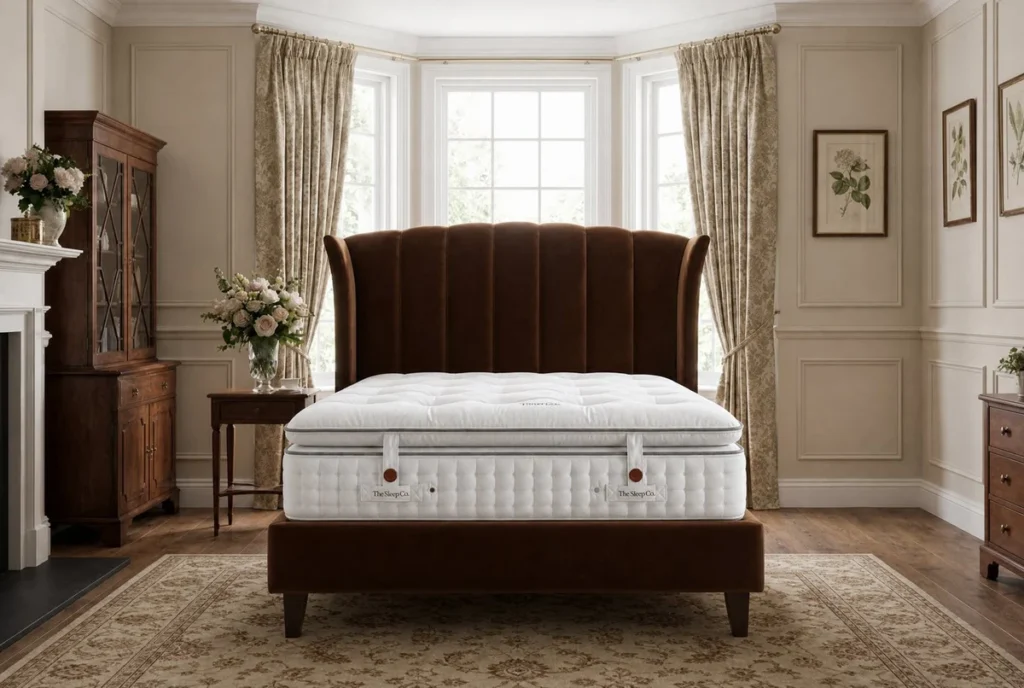
A personal retreat does not need designer furniture, complicated technology or a dramatic renovation. It can begin with a bed that feels comfortable, bedding that suits the season, pillows that match individual preferences and a room that feels calmer when the lights go down. The Sleep People places emphasis on these practical essentials, helping customers improve the bedroom in manageable stages rather than chasing an unrealistic idea of perfection. Some people may need a larger change, while others simply need fresher bedding or a more suitable pillow. The value lies in understanding what currently prevents the bedroom from feeling comfortable and addressing that first. When each choice serves a genuine purpose, the space becomes easier to maintain, more personal and far more inviting at the end of every day.