



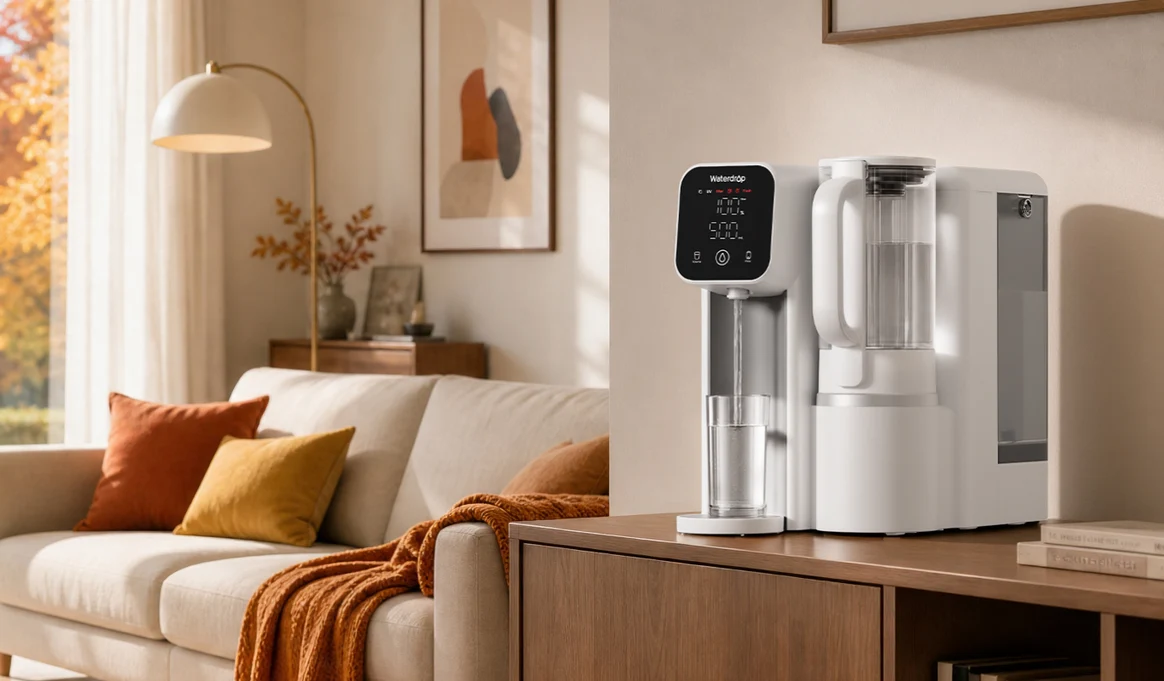
A kitchen renovation or a simple move to a new flat often forces the same question: fit a dedicated reverse osmosis line under the sink, or set up a self-contained unit on the counter instead. Anyone putting reverse osmosis systems compared side by side will notice the differences go beyond size, touching filtration stages, flow rate, and extras like instant hot water. This article looks at how Waterdropfilter‘s own undersink and countertop lines stack up against each other.
Understanding Reverse Osmosis Filtration and System Types
Reverse osmosis systems generally fall into two installation categories, undersink and countertop. Undersink units sit beneath the kitchen sink and connect directly to the cold water line, staying out of sight. Countertop units sit on the counter itself, connect to a faucet or stand alone, and move between locations without plumbing work. Both categories use multi-stage filtration to reduce sediment, chlorine, taste and odour issues, and other impurities before water reaches a tap or dispenser.
Undersink RO Systems: The Waterdrop G3P800 and G3P600 Range
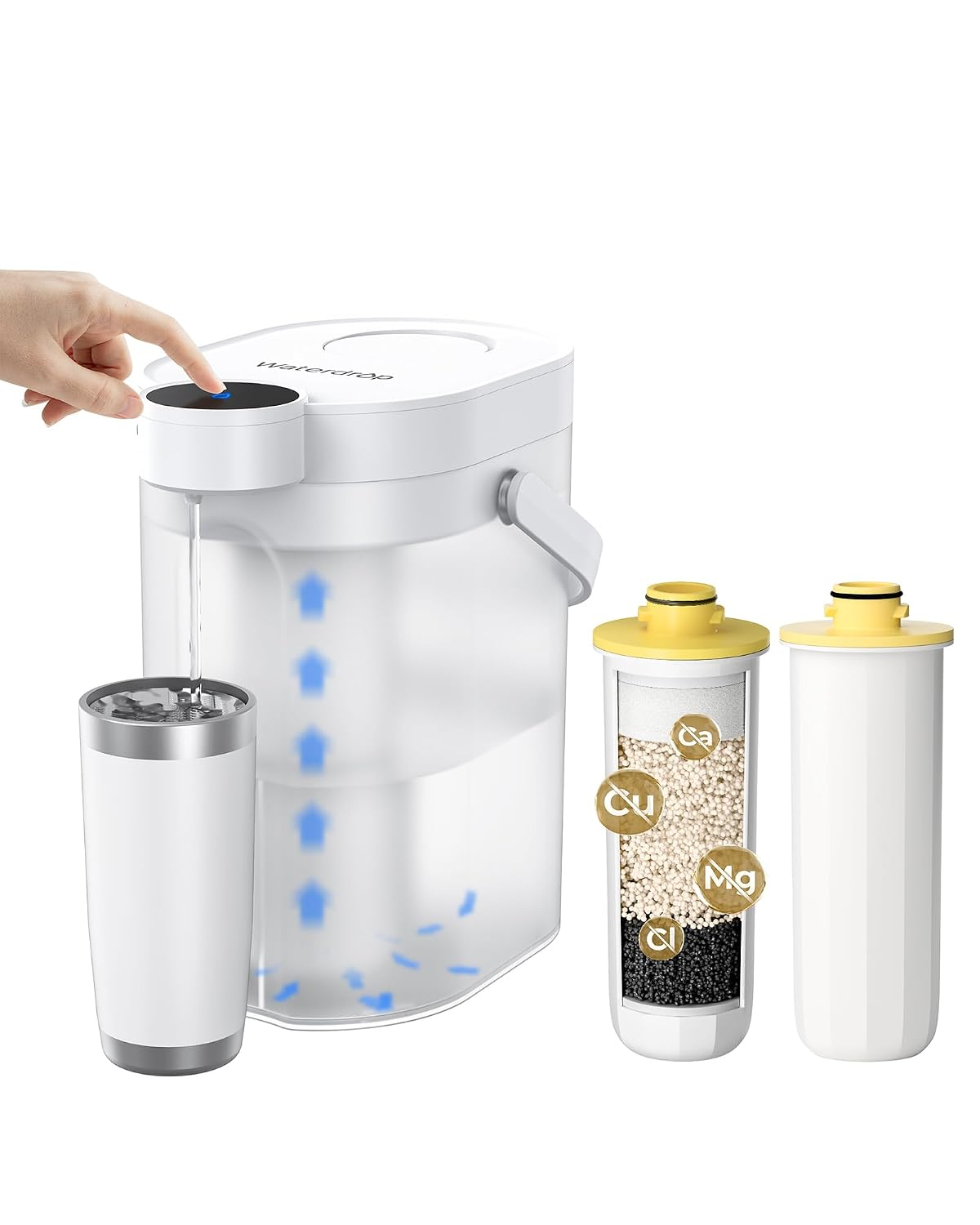
Waterdropfilter‘s G3P800 is a tankless undersink reverse osmosis system built for fast flow and deeper filtration beneath the sink. It pairs with filter options such as the G3-N1CF, rated for up to 6 months or 550 gallons, and the G3-N3CB, rated for up to 12 months or 1,100 gallons. A further stage, the G3P800-N2RO, extends the filtration sequence as part of the same cartridge set, though no separate lifespan figure is listed for it.
The related G3P600 line uses a comparable filter set, including the WD-G3-N1CF, WD-G3-N3CB, WD-G3P600-RO, and WD-MNR35 cartridges. The WD-G3P600-RO stage is rated for up to 24 months or 2,200 gallons, while the WD-MNR35 mineral stage lasts up to 12 months or 1,100 gallons. The lineup also lists the X16, a 1600 GPD alkaline undersink system, and the G2P600, a 600 GPD tankless undersink unit certified to NSF/ANSI 372 as lead-free. Together, these undersink options show how reverse osmosis systems compared across the range differ mainly in flow rate and filter longevity rather than basic filtration logic.
Countertop RO Systems: The Waterdrop M6 and K19 Series
Countertop models trade under-cabinet installation for a self-contained unit that sits on a worktop. The M6SL is a mineral reverse osmosis countertop water filter, and the M6HG builds on that mineral design by adding instant hot water while being noted for removing 99% of lead. A separate M6CG variant is listed as a cold and instant hot reverse osmosis system, extending the same countertop family into dual-temperature dispensing.
Another countertop option, the C1SL CoreRO system, is listed as an alkaline model within the countertop collection. These units generally skip the under-sink plumbing step, which makes them suited to rented kitchens or spaces where drilling into cabinetry is not practical. Because countertop reverse osmosis systems rely on a stored or on-demand tank design rather than a direct line connection, placement near an outlet and a water source matters more than it does for undersink units.
Instant Hot Water and Mineral Remineralization Features Across Tiers
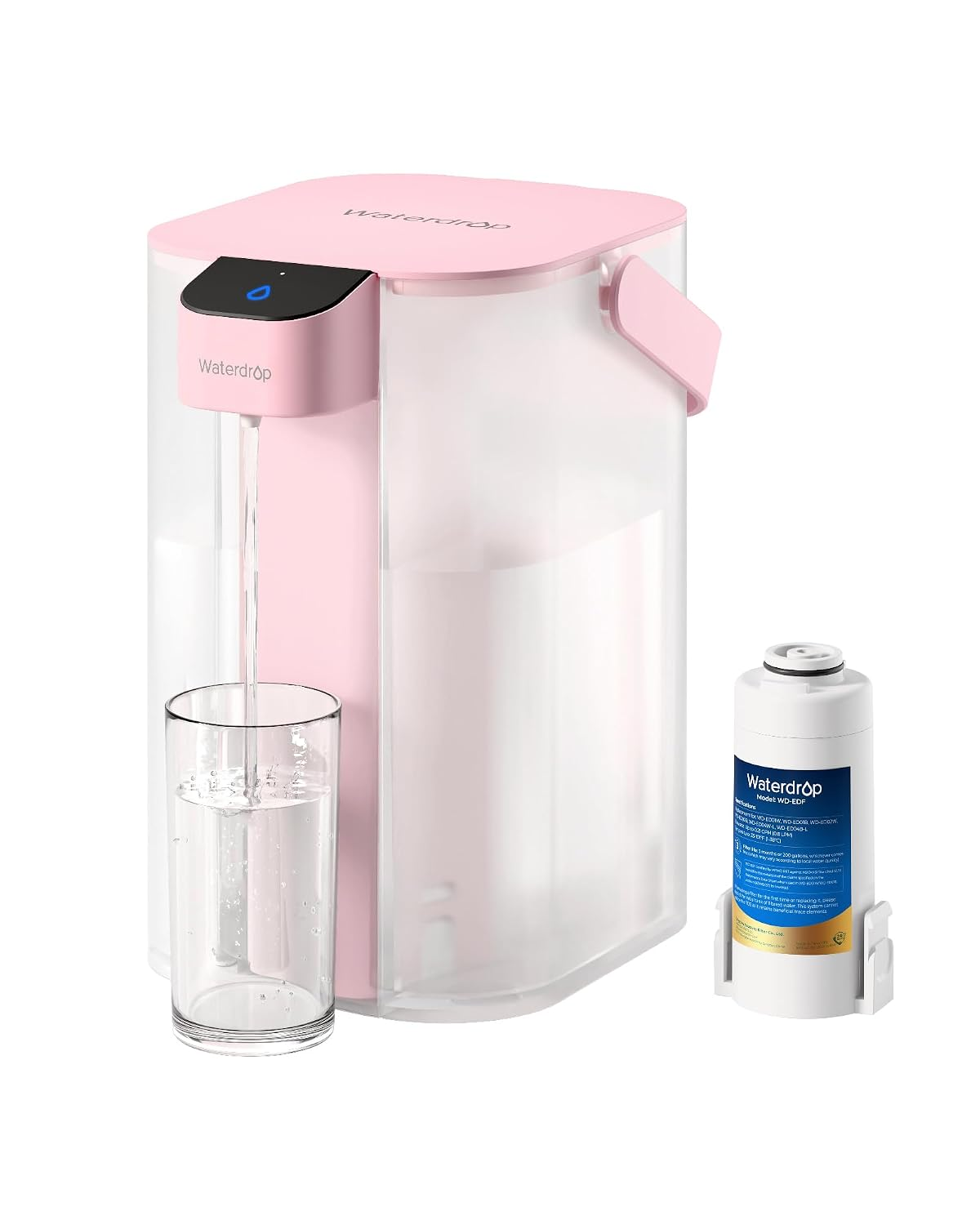
Several countertop units from Waterdropfilter add instant hot water alongside filtration. The K19-HG, an alkaline instant hot water reverse osmosis system, uses a 6-stage filtration process, delivers hot water in seconds, and pairs with the K19RFG replacement filter for ongoing use. That combination of speed and alkaline mineral output sets it apart from units that only filter without a heating function.
The A2G, a remineralization hot and cold RO water dispenser, offers both instant hot and cold output along with mineral-rich water, while the standard A2 model instead uses an integrated 5-stage reverse osmosis filtration system without the added mineral stage. Mineral addition shows up on the undersink side too, through filters such as the WD-MNR35 stage used with the G3P600 line. This means remineralization is not confined to one installation type within the Waterdropfilter catalogue, since both undersink and countertop filters can include a mineral-adding stage.
Replacement Filter Specifications and Maintenance Intervals
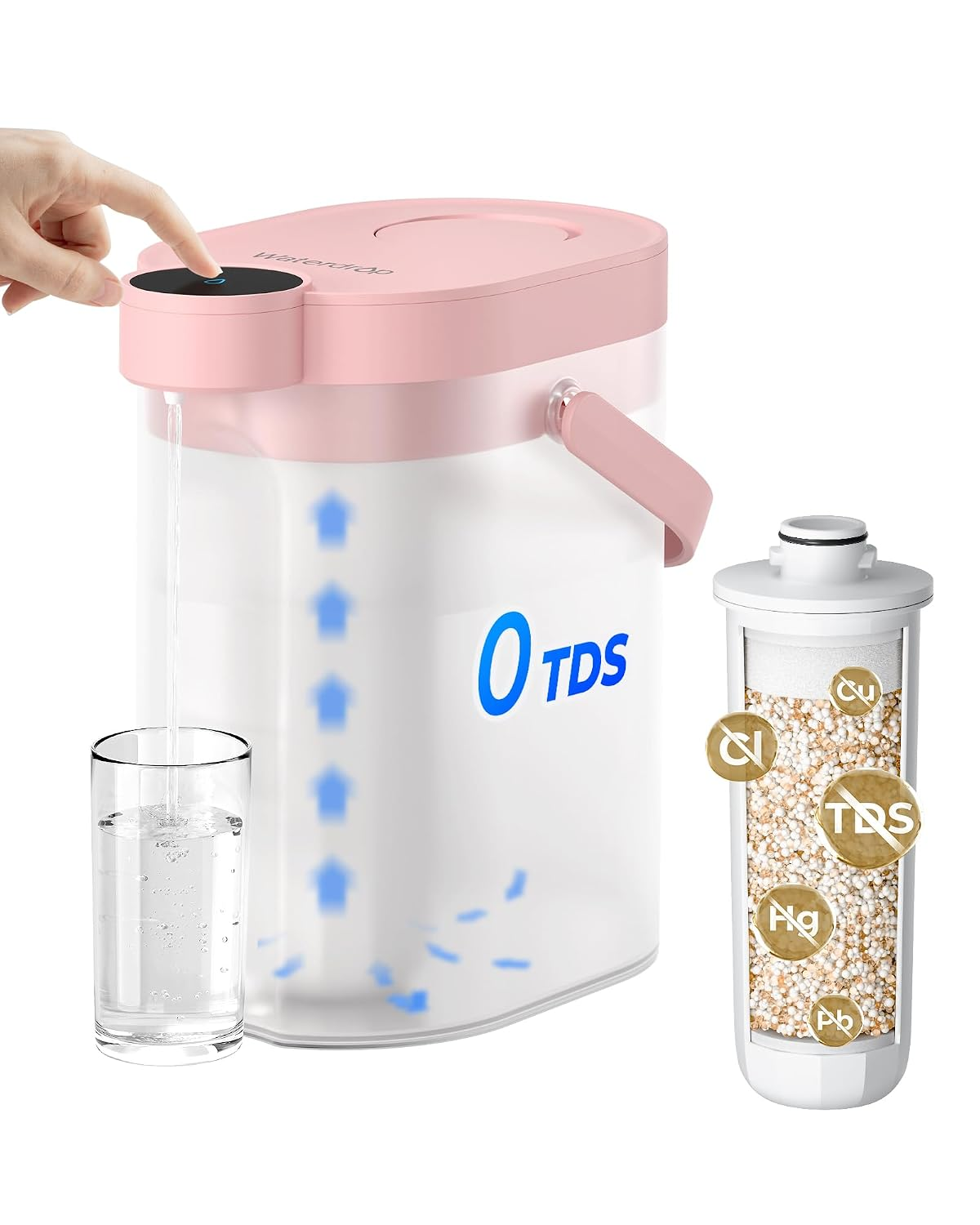
Filter ratings, stage counts, and installation footprint matter more than the undersink or countertop label alone when comparing replacement schedules. The WD-G2CF filter for the G2 series lasts up to 12 months or 1,100 gallons, and it is described as removing chlorine, taste and odour, organics, sand, rust, particulates, and suspended solids. The WD-G2P6MRO filter for the G2P600-W lasts up to 2 years or 2,200 gallons and is listed as removing more than 1,000 impurities.
For the G5P500 and G5P500A systems, the G5P500-RO filter is compatible with the G5P700A tankless unit and is noted as adding alkaline minerals and reducing chlorine, taste, and odour, based on third-party lab testing. On the countertop side, the A2RF filter replaces the cartridge in the A2 dispenser. Keeping track of these intervals, whether measured in months or gallons, is part of how reverse osmosis systems compared across a household’s needs end up chosen in practice.
- Sediment and carbon pre-filtration stages reduce particulates, sand, rust, and suspended solids before water reaches the membrane.
- The reverse osmosis membrane stage itself is central to removing a broad range of dissolved impurities across both undersink and countertop systems.
- Certain filters, such as the WD-G2P6MRO, are described as removing more than 1,000 impurities from water passing through the G2P600-W system.
- Mineral or remineralization cartridges, including the WD-MNR35 and the stage used in the G5P500-RO, add alkaline minerals back into filtered water.
- Chlorine, taste, and odour reduction is a stated function of filters across several lines, including the WD-G2CF and the G5P500-RO.
- The G2P600 undersink system carries NSF/ANSI 372 certification confirming it is lead-free.
Selecting Between Installation Types for Different Kitchens
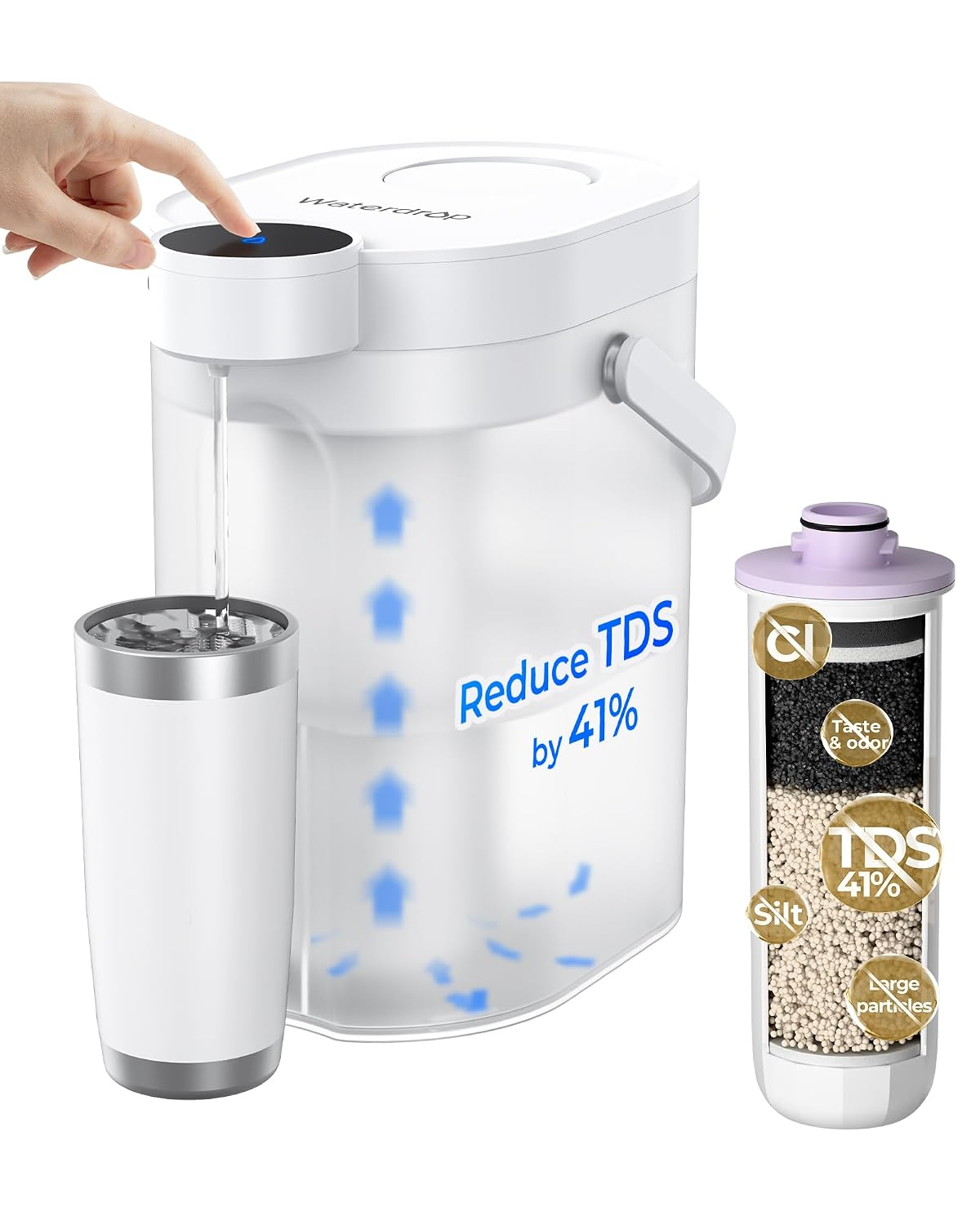
Undersink systems such as the G3P800 and G3P600 suit kitchens where a permanent connection beneath the sink is possible and where a dedicated faucet can be added. Their tankless design and higher-capacity filters, like the WD-G3P600-RO rated up to 24 months, point toward sustained daily use without frequent cartridge changes. The X16’s 1600 GPD rating also reflects a system built for higher flow demand.
Countertop systems such as the M6 and K19 series instead suit kitchens where installation flexibility matters more than concealment. A unit like the K19-HG combines 6-stage filtration with instant hot water in a single footprint that needs no plumbing modification. For kitchens weighing reverse osmosis systems compared on convenience versus permanence, Waterdropfilter‘s range spans both approaches with named filters and rated capacities for each.
Looking ahead, the choice between a fixed line and a flexible countertop unit may matter less than tracking which filter stages actually arrive with each system over time.