




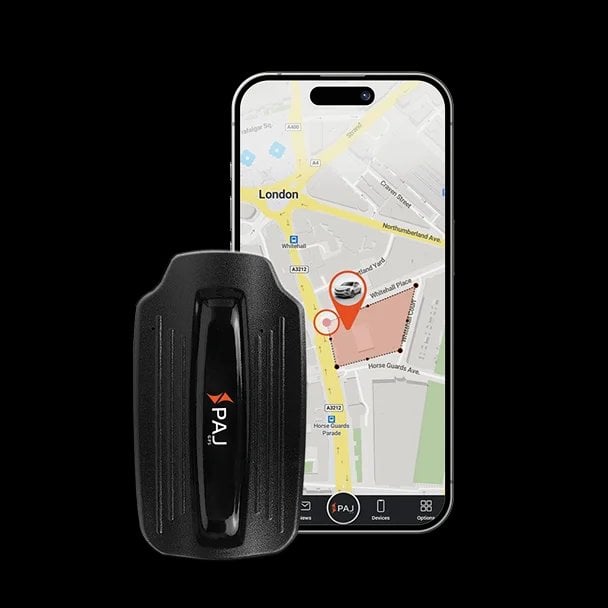
Choosing a vehicle tracker 4g setup often comes down to one question: hardwired or battery-powered? PAJ GPS offers both approaches, with the Vehicle Finder 4G built for permanent installation and the Compact Finder 4G designed for flexible, removable placement. The differences go beyond mounting style and touch on power management, runtime, and the kinds of assets each device suits best.
Hardwired vs Battery-Powered: Core Architecture Differences
A hardwired vehicle tracker 4g device draws power directly from a vehicle’s electrical system, so it never needs charging. The Vehicle Finder 4G 1.0 and 2.0 both operate this way, connecting to a car battery across a voltage range of 9 to 75V, according to Paj-gps, which also lists a CAR OBD Finder 4G 2.0 that plugs into a vehicle’s OBD2 interface instead of wiring directly. The Compact Finder 4G takes the opposite route, running on an internal battery that can be recharged and moved between objects or vehicles as needed.
This architectural split shapes everything else about the two devices. Permanent power suits vehicles that stay in regular use and need constant monitoring. Battery power suits situations where installation flexibility matters more than an uninterrupted power connection, such as moving a tracker between a car, a trailer, and a suitcase.
Vehicle Finder 4G Hardwired Installation and Power Specifications
Version 1.0 is listed for cars, trucks, motorhomes, vans, and delivery services, while version 2.0 extends to motorcycles, scooters, ATVs, and boats alongside the same road vehicles. Because both versions wire into the electrical system, PAJ GPS positions them for long-term, fixed installation rather than frequent removal. That permanent connection means there is no battery to monitor or recharge once the unit is fitted.
Both versions reach more than 100 countries using 4G technology, according to PAJ GPS. That coverage figure makes the hardwired line suited to tracking that needs to follow a vehicle well beyond domestic borders. A separate USB GPS Finder 4G offers a lighter alternative, drawing power through a 12V cigarette lighter socket rather than a direct wiring job.
Compact Finder 4G Battery Performance and Runtime Expectations
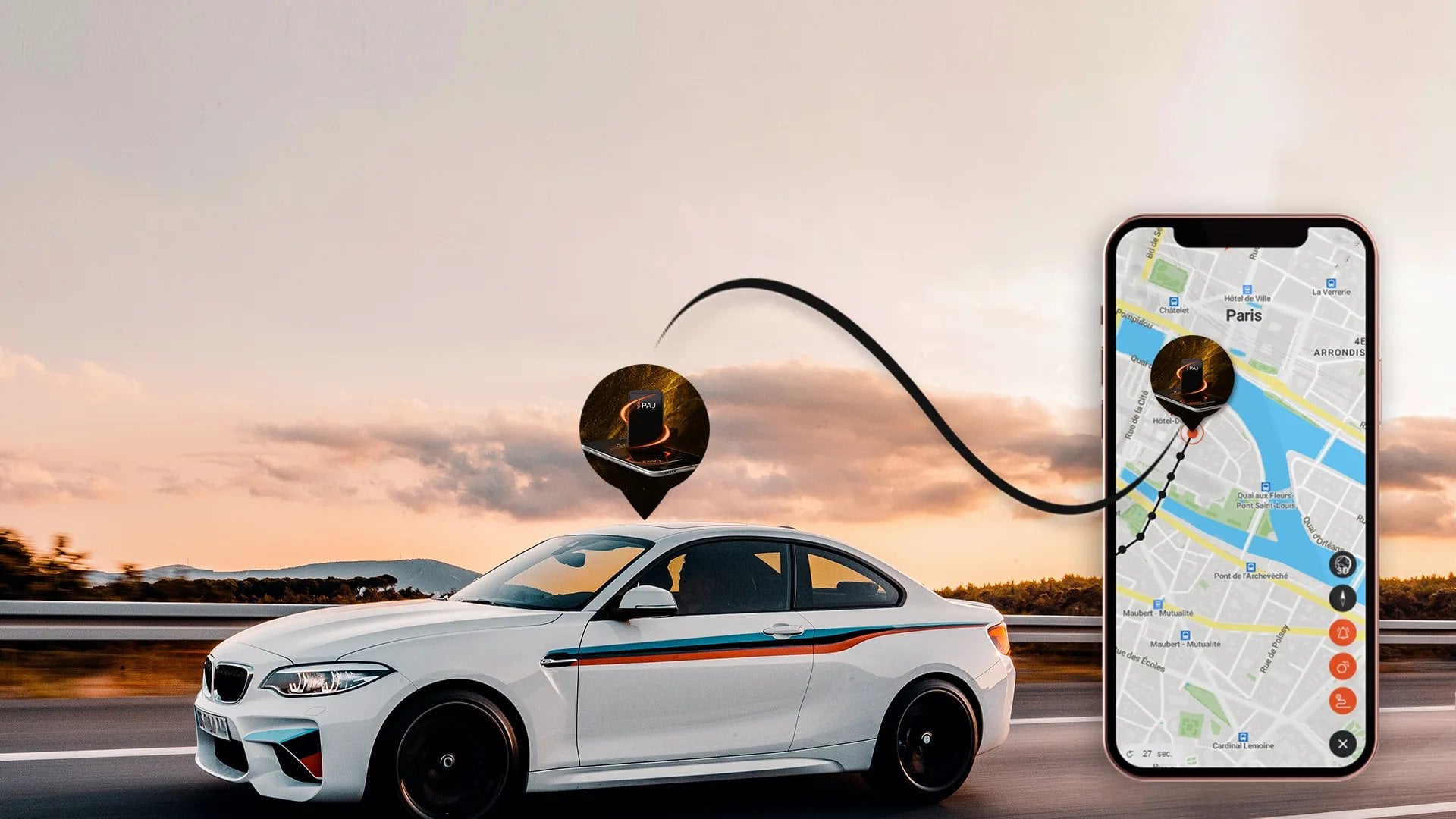
Unlike the hardwired Vehicle Finder 4G, the Compact Finder 4G relies entirely on its internal battery. Paj-gps states it delivers up to 20 days of battery life in everyday tracking and up to 7 days under continuous operation, a gap that reflects how frequent location updates draw more power than periodic ones. For comparison, Paj-gps also lists a POWER Finder 4G built for the same battery-powered category, with standby life of up to 90 days.
Coverage for the Compact Finder 4G spans more than 40 countries across Europe, a narrower footprint than the Vehicle Finder 4G line’s reach of over 100 countries worldwide, with both running on 4G technology rather than older network generations. This makes the Compact Finder 4G a reasonable fit for people and objects that stay within Europe, such as luggage, bicycles, or vehicles used mostly on regional routes. Its listed uses and applications include vehicles, people, luggage, and objects, which marks it as a more general-purpose tool than the vehicle-specific hardwired range.
Coverage and Connectivity: 4G Technology Across Both Models
PAJ GPS also still lists 2G devices among its wider catalogue, though the two trackers compared here are both built on 4G networks, which typically offer faster data transmission and broader carrier support than older connections. That shared network generation means the real difference between the two models lies in geographic reach rather than signal type. For a vehicle tracker 4g comparison, that distinction matters more than it might first appear.
Anyone weighing a vehicle tracker 4g option for cross-border or international travel would find that reach gap meaningful. A tracker confined to a regional footprint may still suit short domestic journeys, but it changes the calculation for anyone crossing borders regularly. That distinction is arguably the clearest line separating the two product families.
Real-Time Tracking Features and Geofencing Capabilities
PAJ GPS describes a shared set of app-based features across its tracker range, including live tracking, route history, and virtual fence alerts. The virtual fence, or geofence, function notifies a user when a tracked vehicle or object enters or exits a defined area. Route history on the Finder Portal app can reportedly be reviewed for the last 365 days, giving a long window for checking past journeys.
These features appear to apply across both hardwired and battery-powered models, since they sit inside the shared app rather than being exclusive to one device. That consistency means choosing between the Vehicle Finder 4G and the Compact Finder 4G does not require giving up tracking functionality. It mainly affects how the device is powered and mounted, not what can be done with the resulting location data.
Use Cases: When Each Tracker Delivers Maximum Value
The Vehicle Finder 4G suits vehicles that stay in long-term, regular use, such as a family car, a delivery van, or a motorhome that needs ongoing protection against theft. Its connection to a vehicle’s own power supply removes any need to think about charging. Applications listed for this hardwired line include trucks, vans, and motorcycles, reflecting its vehicle-first design.
The Compact Finder 4G fits situations calling for portability, since it can move from a car to a bag or a bicycle without any wiring involved. Its listed battery life of up to 20 days in everyday tracking may support occasional or rotating use across several items. Between the two, the decision often rests less on tracking quality and more on how permanent or mobile the monitored object needs to be.
- The Vehicle Finder 4G 1.0 and 2.0 connect to a vehicle’s battery and operate across a 9 to 75V range.
- The CAR OBD Finder 4G 2.0 draws power through a vehicle’s OBD2 interface instead of direct wiring.
- The USB GPS Finder 4G powers up through a 12V cigarette lighter socket.
- The Compact Finder 4G runs on an internal battery and needs no wiring at all.
- The POWER Finder 4G, another battery-powered model, offers standby life of up to 90 days.
- The Compact Finder 4G itself reaches up to 20 days of battery life in everyday tracking and up to 7 days under continuous operation.
Final Thoughts on Hardwired and Flexible Tracking

Hardwired and battery-powered designs answer different practical needs rather than competing on quality. The choice within this vehicle tracker 4g lineup ultimately comes down to matching the device to the asset being tracked. Compare the current trackers at PAJ GPS.