




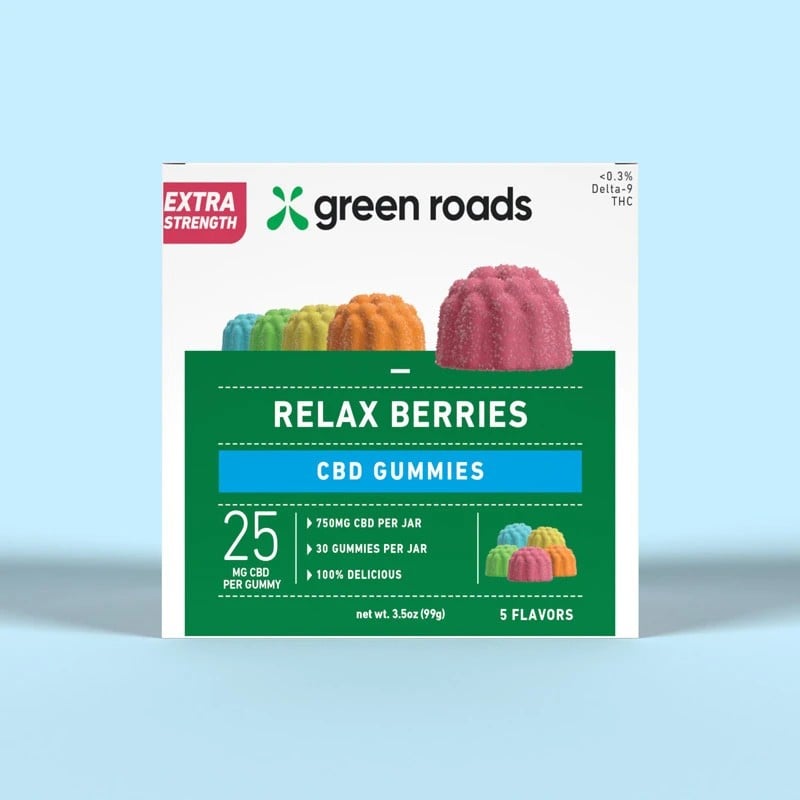
Understanding the product range offered by GreenRoads helps put everyday shopping decisions in context. Rather than relying on promotional language, a careful comparison focuses on product details, intended use and practical limitations.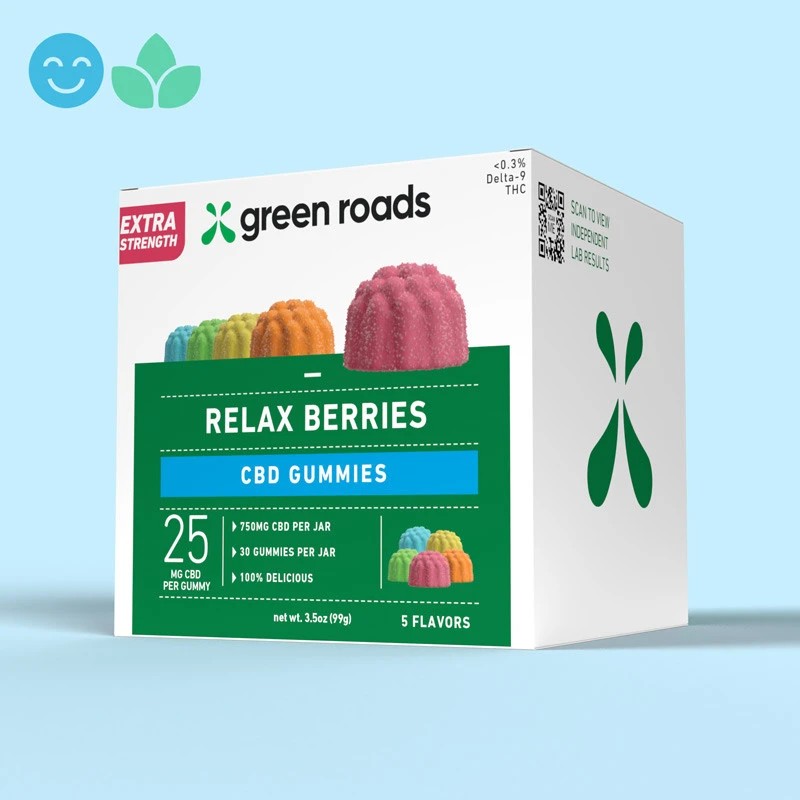
The Purpose of a Certificate of Analysis
An independent laboratory report can be one of the most useful documents available to a shopper evaluating CBD. It offers measurements that go beyond the name of a product, the appearance of its packaging or a testimonial. The document is commonly called a certificate of analysis, or COA. It may show the concentrations of cannabinoids and details about tests for relevant contaminants. Yet a report is only useful when its scope and connection to the actual product are understood.
Green Roads maintains a laboratory-sheet lookup that allows people to locate reports using a batch number. This approach makes the batch identifier important. A report associated with an unrelated lot, formulation or package size is not necessarily representative of the item in hand. Shoppers should match product details closely and confirm whether the laboratory tested the finished product or another stage of production.
Reading Cannabinoid Values in Context
CBD content may be expressed as a percentage, milligrams per gram or total milligrams in a package. Those measurements are not always directly comparable. For a liquid, milligrams per milliliter may be useful. For a gummy, a milligram amount per piece is generally easier to understand. Even when a laboratory reports the correct concentration, normal manufacturing tolerances and test uncertainty can complicate assumptions about mathematical precision.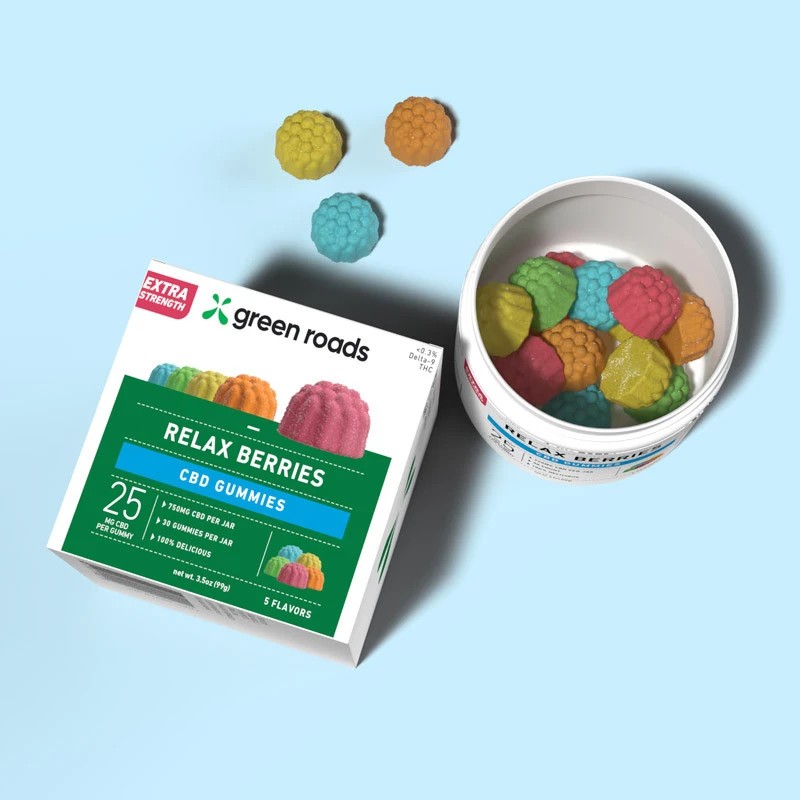
A Green Roads product page may identify its stated CBD concentration, while the matching COA gives a separate laboratory view of tested contents. Readers should look for CBD, delta-9 THC and any other relevant cannabinoids rather than assuming the word hemp guarantees a THC-free item. The distinction matters for people concerned about impairment, legal restrictions or workplace drug testing. No ordinary over-the-counter label can offer absolute certainty about the outcome of a drug test.
Assessing the Limits of Laboratory Reporting
Not every COA includes the same panels, testing methods or reporting limits. A cannabinoid potency result by itself does not show that a product has been screened for pesticides, heavy metals, microbes and residual solvents. Where those tests are relevant, the report should make clear whether they were performed and how the results compare with the laboratory’s specified limits. The laboratory identity, test date and sample identifiers also support interpretation.
- Match the laboratory report to the batch number on the package.
- Verify the product name, sample identity and testing date.
- Identify which cannabinoids the potency panel actually measures.
- Check whether contaminant panels are included rather than assumed.
- Avoid treating a laboratory report as proof of medical effectiveness.
The existence of a test result should not become a shortcut for judging everything else about a product. Laboratory quality varies, regulatory expectations differ by location and test results describe a submitted sample rather than every possible use condition. Reports can be valuable tools while still requiring critical reading.
Combining Transparency With Responsible Use
Independent testing helps address the question of what a product contains. It does not answer whether a particular person should use CBD, how they might respond or whether it is compatible with their medication. CBD can produce side effects and interactions, and products containing THC introduce additional concerns about impairment. Qualified professional guidance remains important for anyone with medical questions.
Green Roads offers a practical example of how batch traceability can support consumer scrutiny. That does not make every marketing claim independently established. The strongest purchasing decision separates identity, quality testing, practical suitability and health expectations into different questions instead of compressing them into a single judgment of whether a brand is trustworthy.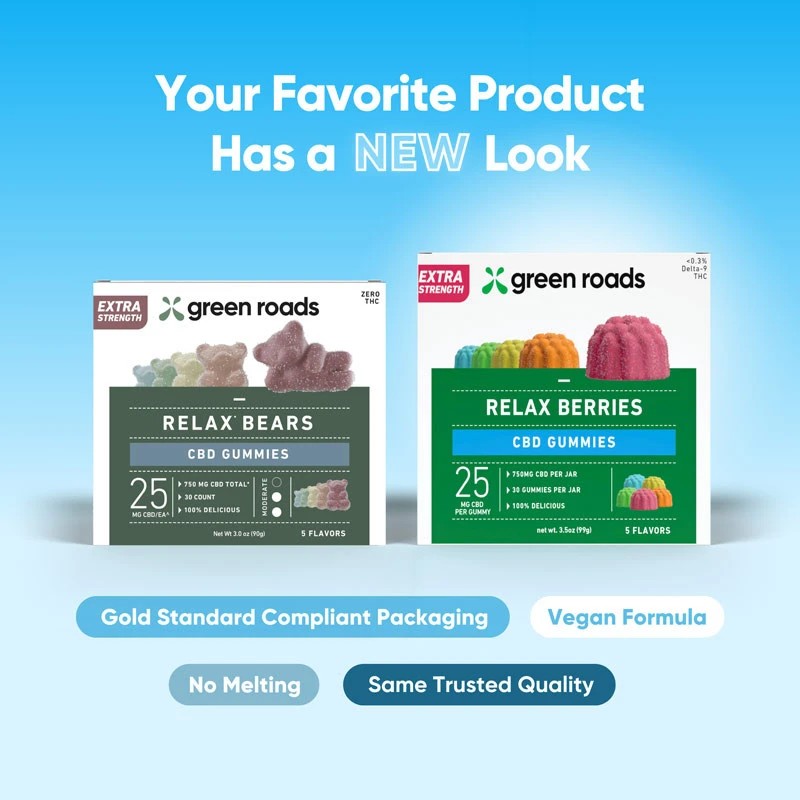
Shoppers who understand the limits of testing can evaluate products more precisely. They can ask for missing information, avoid relying on vague assurances and recognize when the documentation does not support a claim. This habit is transferable beyond CBD to many wellness categories where the packaging provides more confidence than the available evidence warrants.
Consumers may also encounter reports containing abbreviations that are unfamiliar. In such cases, guessing from a passing or failing label is less useful than reading the laboratory’s legend, units and stated reporting thresholds. Missing information should prompt a question instead of being interpreted as a positive result. A seller’s customer service team may be able to explain how batch numbers map to reports, but the technical findings should remain attributable to the laboratory. Green Roads makes batch lookup a visible part of its purchasing information, which encourages a closer look at documentation. Shoppers should nevertheless check whether the report applies to the exact formulation under consideration. Labels and reports can be stored with purchase records when ongoing tracking is important. Exposure to heat, light and moisture after purchase introduces another factor that historical laboratory results cannot fully resolve. Proper storage is therefore still relevant. Above all, independent testing should be understood as one limited source of evidence, not as permission to overlook possible side effects, drug interactions or regulatory requirements. Transparency supports better questions; it cannot remove every uncertainty.