




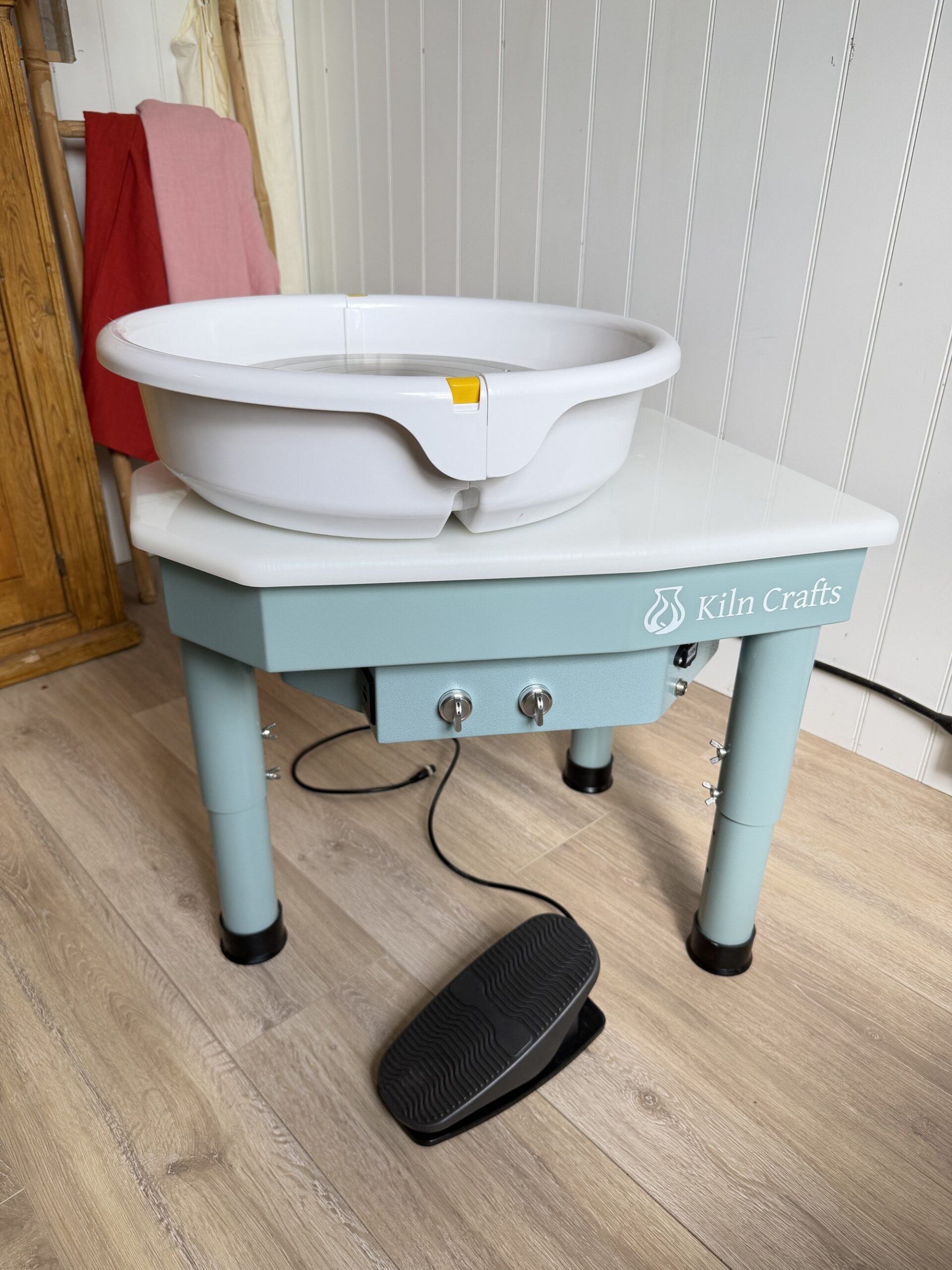
Wheel throwing stands as one of pottery’s most iconic techniques, offering a unique meditative and tactile experience. The ancient process of centering clay on a spinning wheel and drawing it upward to create forms has captivated artists for thousands of years. Modern wheel throwers combine traditional techniques with contemporary artistic vision, producing everything from classic functional ware to sculptural explorations of form and movement. Mastering wheel throwing requires patience, practice and access to quality equipment and guidance.
The appeal of wheel throwing extends beyond the technical challenge. There’s profound satisfaction in creating symmetrical forms and functional pieces that serve practical purposes while expressing artistic intent. Kiln Crafts supports wheel throwers at every skill level with equipment, clay and tools specifically designed for wheel throwing excellence.
Understanding Wheel Types and Features
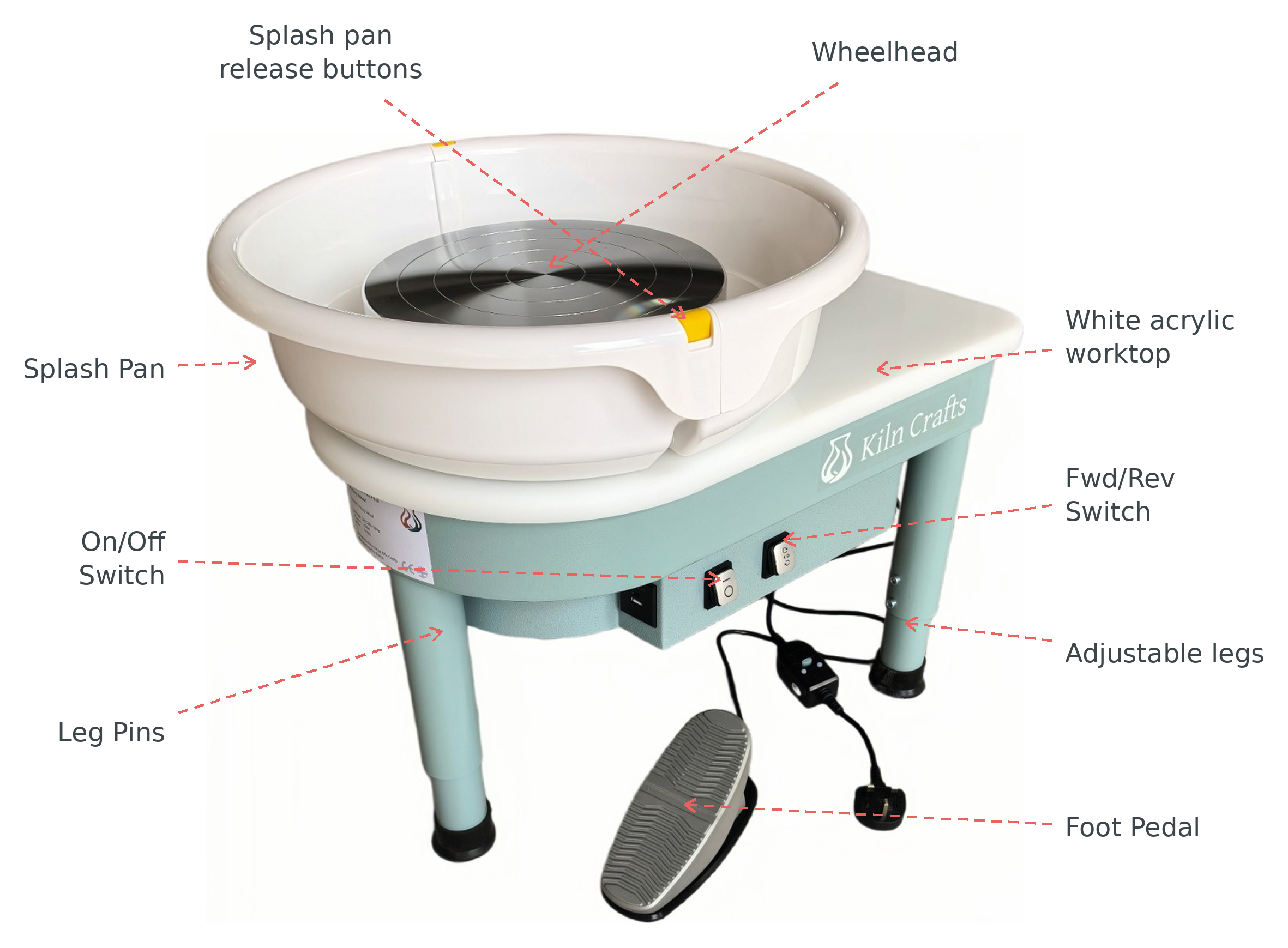
Different wheels suit different potters and production needs. Electric wheels offer consistent speed control and reliable power, making them ideal for serious practitioners and production studios. Treadle wheels provide traditional hand-powered operation, developing leg strength and offering meditative practice without electricity. Portable wheels accommodate small studios, while large commercial wheels handle substantial production volumes efficiently.
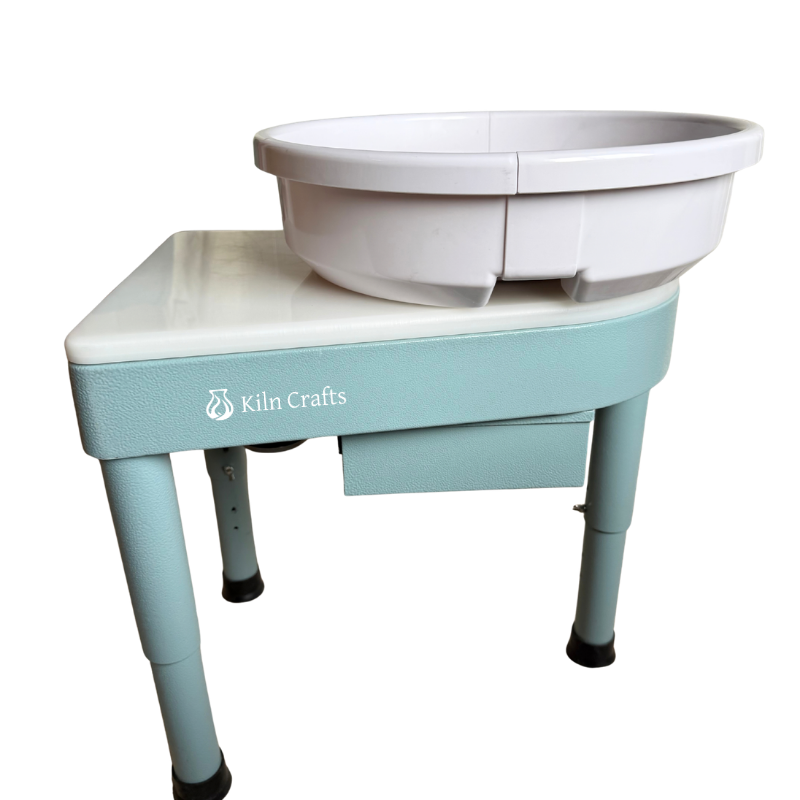
Key features distinguishing quality wheels include stable bases that minimize vibration, reliable speed controls for precise adjustments and adequate wheel head surfaces for various clay volumes. Motor power affects centering ease, particularly when working with larger clay masses. Bat systems provide flexibility in piece size and removal. Kiln Crafts stocks wheels from respected manufacturers, each offering distinct advantages for different artistic approaches.
Essential Wheel Throwing Skills
Centering represents the fundamental skill upon which all wheel throwing builds. Achieving true center requires feeling clay movement against your hands, developing sensitivity to vibration patterns and clay behavior. Proper hand positioning, steady pressure application and body stability all contribute to successful centering. Beginning throwers invest significant practice time here before progressing to opening and shaping techniques.
Opening the centered mass creates interior space for functional vessels. Understanding how clay responds to directional pressures prevents unwanted thinning or collapse. Pulling walls upward while maintaining adequate thickness ensures structural integrity and attractive proportions. Specialized throwing tools including throwing ribs and calipers assist in achieving consistent wall thickness and precise shaping. Kiln Crafts provides all specialized tools and equipment supporting mastery of these foundational techniques.
Creating Varied Vessel Forms
Beyond basic bowls and cylinders, experienced throwers create complex forms including bottles, vases, teapots and sculptural pieces. Altering thrown forms through cutting, paddling or pinching creates unique silhouettes. Combining multiple thrown components through attachment and integration produces sophisticated works. Trimming bases and refining walls during leather-hard stages adds polish and structural refinement.
Advanced techniques like collaring control how clay draws up the wheel, enabling thinner walls and taller forms. Off-center throwing creates asymmetrical pieces with dynamic visual tension. Throwing with multiple clay types produces color variations and textural interest. These techniques separate competent potters from masters, each requiring extensive practice and understanding. Kiln Crafts stocks specialized clays and tools enabling exploration of advanced techniques.
Trimming and Finishing Thrown Pieces
Trimming completes thrown pieces, refining bases, removing excess clay and establishing visual balance. Trimming techniques vary based on clay moisture, wheel speed and desired results. Leather-hard trimming produces cleaner cuts than bone-dry clay but requires careful timing. Specialized trimming tools including loop tools and sharp chisels enable controlled material removal. Proper technique prevents chatter marks and surface damage while achieving functional feet and refined proportions.
Finishing details transform functional pieces into refined works. Smoothing rim edges improves comfort and appearance. Burnishing creates lustrous surfaces. Carving or incising adds surface design. These refinement stages elevate pieces from adequate to exceptional. Kiln Crafts provides finishing tools supporting professional-quality results.
Troubleshooting Common Wheel Throwing Problems
Centering challenges result from improper hand positioning, inadequate pressure or clay inconsistency. Wall thickness variation occurs from uneven pressure during pulling. Cracks develop from too-rapid drying or excessive water absorption. Wobbling indicates uneven pressure or inadequate base support. Each problem has specific solutions involving technique adjustment, material selection or environmental modification.
Understanding why problems occur enables systematic solutions rather than random adjustments. Experienced throwers recognize clay behavior patterns and adjust technique proactively. Developing these problem-solving skills requires practice, patience and sometimes guidance. Kiln Crafts staff can advise on material and equipment factors contributing to challenges.
Building Your Wheel Throwing Practice
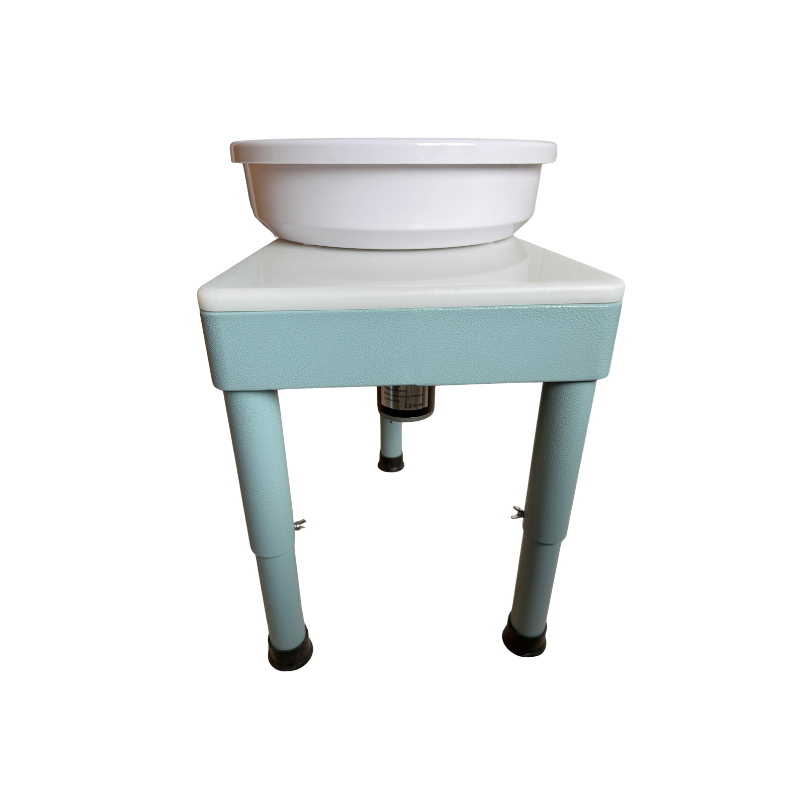
- Invest in a quality wheel matching your space and production goals.
- Use clay specifically formulated for wheel throwing with consistent plasticity.
- Develop consistent practice routines building skills progressively.
- Maintain your wheel and tools through regular cleaning and maintenance.
- Seek feedback from experienced throwers and consider workshops for skill advancement.
Wheel throwing offers lifelong learning opportunities and profound creative satisfaction. Supported by Kiln Crafts quality equipment and materials, you can develop throwing skills and create beautiful functional pieces that reflect your artistic vision and technical mastery.