





When your dog tilts their head at the sound of their name, something remarkable happens inside their brain. But understanding whether pets truly comprehend our words or just the emotions behind them, has fascinated scientists and pet owners alike for generations. Modern pet communication technology is finally giving us answers and the results are more profound than most people realize.
Your dog’s brain processes language differently than humans do. While humans rely on complex grammar and syntax, dogs excel at recognizing emotional tone and familiar sound patterns. Their hearing also works on a different frequency spectrum than ours, which means they perceive the world through sound in ways we can barely imagine. When you call your dog’s name, they don’t just hear the word; they decode a burst of acoustic information that contains emotional data about your mood, stress level and intent. This is where FluentPet pet communication solutions become genuinely fascinating.
How Canine Brains Process Human Communication
Research from the University of Emory revealed that dogs’ brains light up in response to their owners’ voices in much the same way that human brains respond to emotionally significant people. The auditory cortex in a dog’s brain doesn’t just process sound, it extracts meaning. Dogs distinguish between different people’s voices, recognize their own names and remember words they’ve learned throughout their lives. Studies show that some dogs can learn the names of dozens of toys and objects, suggesting they possess a form of semantic memory we once thought was uniquely human.
What makes this even more intriguing is that dogs can understand not just individual words, but sequences and contexts. A dog knows the difference between “walk the dog” and “the dog walks.” This level of linguistic sophistication suggests that dogs might benefit tremendously from tools designed to enhance their ability to engage in pet communication with us. When FluentPet buttons are introduced into a dog’s environment, they’re essentially being given a structured communication framework that matches how their brains already work.
The Emotional Recognition Revolution

Beyond words themselves, dogs detect emotional nuance that many humans miss. They read microexpressions, pick up on hormonal changes in their owners and adjust their behavior based on subtle shifts in your voice. When you’re stressed, anxious or sad, your dog knows immediately, sometimes before you do. This emotional intelligence is hardwired into their brain structure. The amygdala, which processes emotions in dogs, shows remarkable similarities to the human amygdala, which explains why dogs show genuine empathy.
Recent studies using brain imaging have shown that when dogs hear their owners speak praise or use an excited tone, their striatum (the reward center of their brain) activates dramatically. This same reward center lights up when they see food or engage in play. Essentially, your voice is a powerful tool that your dog’s brain experiences as genuinely rewarding. Imagine what happens when that emotional richness is paired with consistent, recordable button sounds. FluentPet harnesses this neurological reality by creating auditory symbols your dog can press independently.
Sound Recognition and Pattern Learning
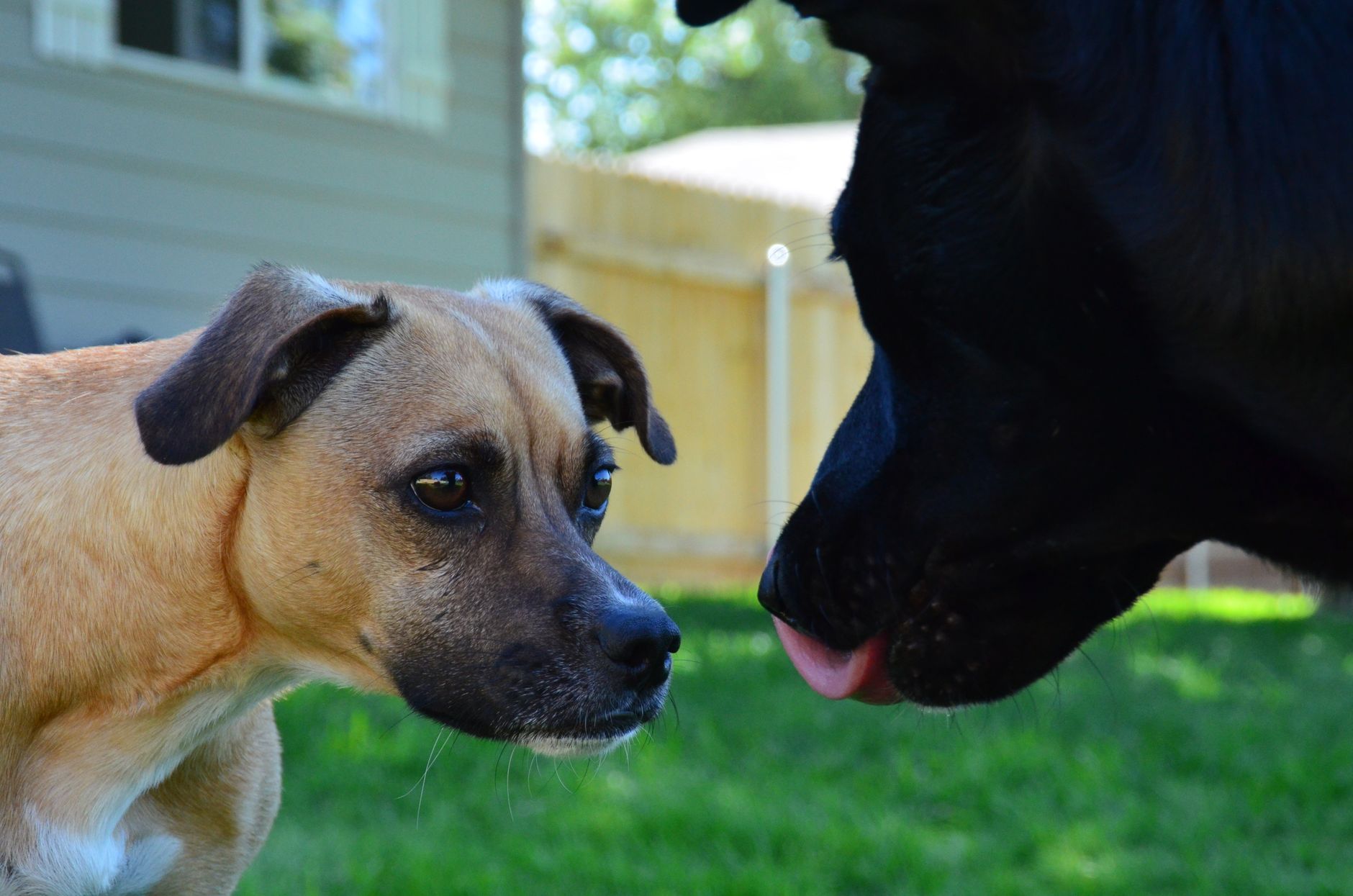
Dogs are pattern-recognition machines. They learn from repetition, association and consistency. When a dog hears the same sound repeatedly associated with the same outcome (dinner appears, the door opens, playtime starts), their brain builds predictive models about how the world works. This is classical conditioning at its most elegant. The remarkable part is that dogs don’t just passively learn these patterns, they can actually use them intentionally once they understand the cause-and-effect relationship.
The neurotransmitter dopamine floods a dog’s brain whenever they successfully predict an outcome or achieve a reward. When a dog learns that pressing a button produces a specific sound that makes you do something, that dopamine hit reinforces the behavior. Scientists have observed this in studies where dogs learn to activate buttons for treats, toys or attention. The learning process isn’t random fumbling, it’s purposeful exploration followed by systematic use. FluentPet systems capitalize on this exact neurological mechanism to create genuine two-way communication.
The Bridge Between Species

For thousands of years, humans and dogs have communicated, but the medium has been one-directional. Humans speak and dogs respond. FluentPet inverts this dynamic. By giving dogs their own sound-generation tools, we’re acknowledging what science has been telling us dogs have thoughts, preferences and intentions they want to convey. They’re not just reacting to us; they’re trying to communicate back.
This shift changes the entire relationship. Instead of guessing what your dog wants (Is it food? Water? A walk?), your dog can tell you. The psychological impact of this clarity extends to both parties. Dogs show less frustration and anxiety when they can express their needs directly. Owners experience less frustration from misinterpreting their dog’s behavior. It’s not magic, it’s neuroscience made practical.
What This Means for Your Dog’s Future
The science is clear dogs understand more than we ever gave them credit for and they’re capable of learning sophisticated communication systems. The emerging field of animal cognition suggests that giving pets the tools to communicate more explicitly with their owners may deepen our bonds while also improving their behavioral health and emotional well-being. Dogs who can express themselves experience measurably lower stress levels and show increased confidence.
- Dogs’ brains process familiar voices in the same reward centers as human faces activate for people, indicating emotional attachment is literally hardwired.
- Sound pattern recognition in dogs rivals some primate species, meaning they can learn complex auditory symbols with minimal training.
- Dogs who communicate through structured systems show improved problem-solving abilities and increased engagement with enrichment activities.
- Two-way communication reduces behavioral problems driven by frustration and anxiety, leading to happier households.
- The amygdala, which processes emotions in dogs, shows that they experience a richer emotional landscape than previously thought.
Understanding your dog involves recognizing that their brain works differently than yours, but not less sophisticated. They perceive emotion, recognize patterns and demonstrate intentional learning. They’ve been trying to tell you things all along. Technology that lets them do so more clearly isn’t teaching dogs to communicate, it’s finally giving them the vocabulary to match the communication that was always happening in their remarkable minds.