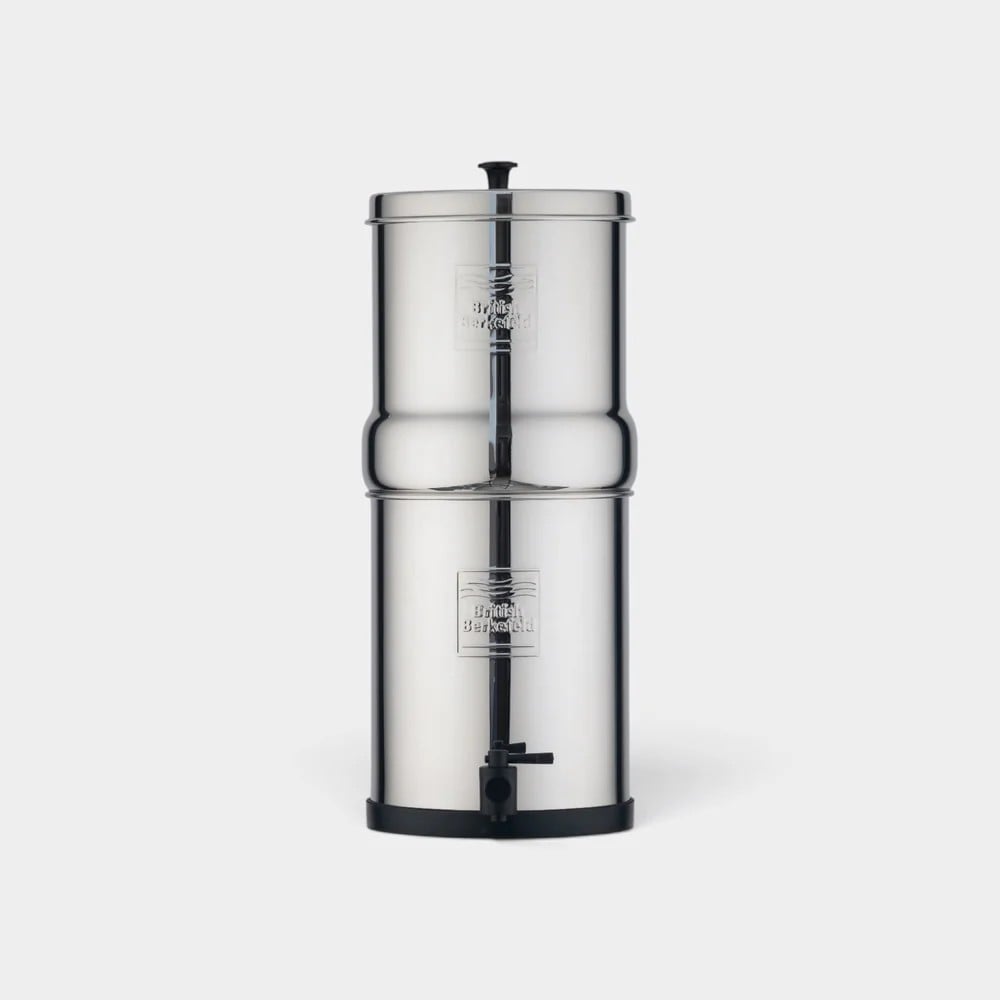



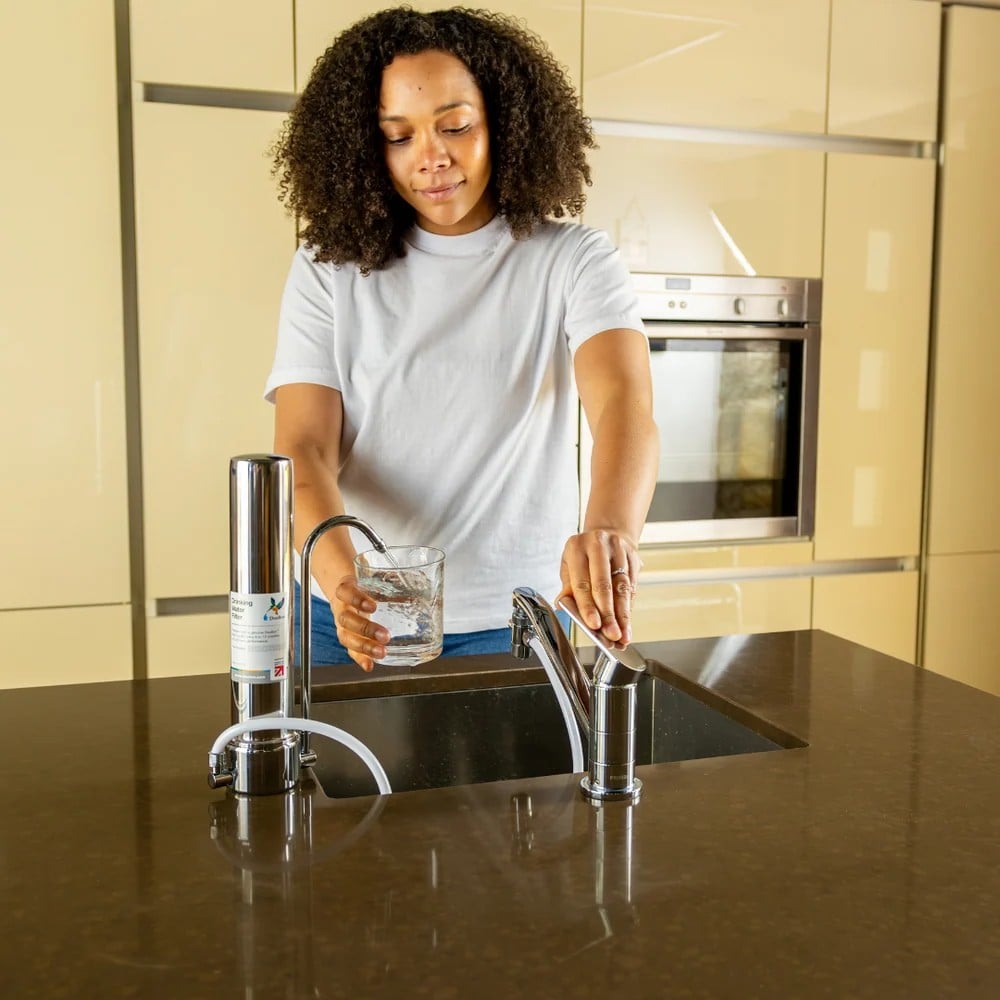
Water filtration systems can occupy very different places in a kitchen. A countertop unit connects near the tap and stays visible, an under-sink system is installed inside a cabinet and a gravity system can operate without a plumbed connection. Those differences affect installation, available space and daily use more than appearance alone. Doulton offers examples in all three formats, making the range useful for comparing how each layout fits a household. The most suitable format depends on whether the home can accommodate plumbing changes, how much counter or cabinet space is available and whether portability matters. Filter performance also depends on the cartridge fitted to a particular system, so the housing style should not be treated as the only decision. A useful comparison begins with the physical setup and then moves to cartridge compatibility and maintenance.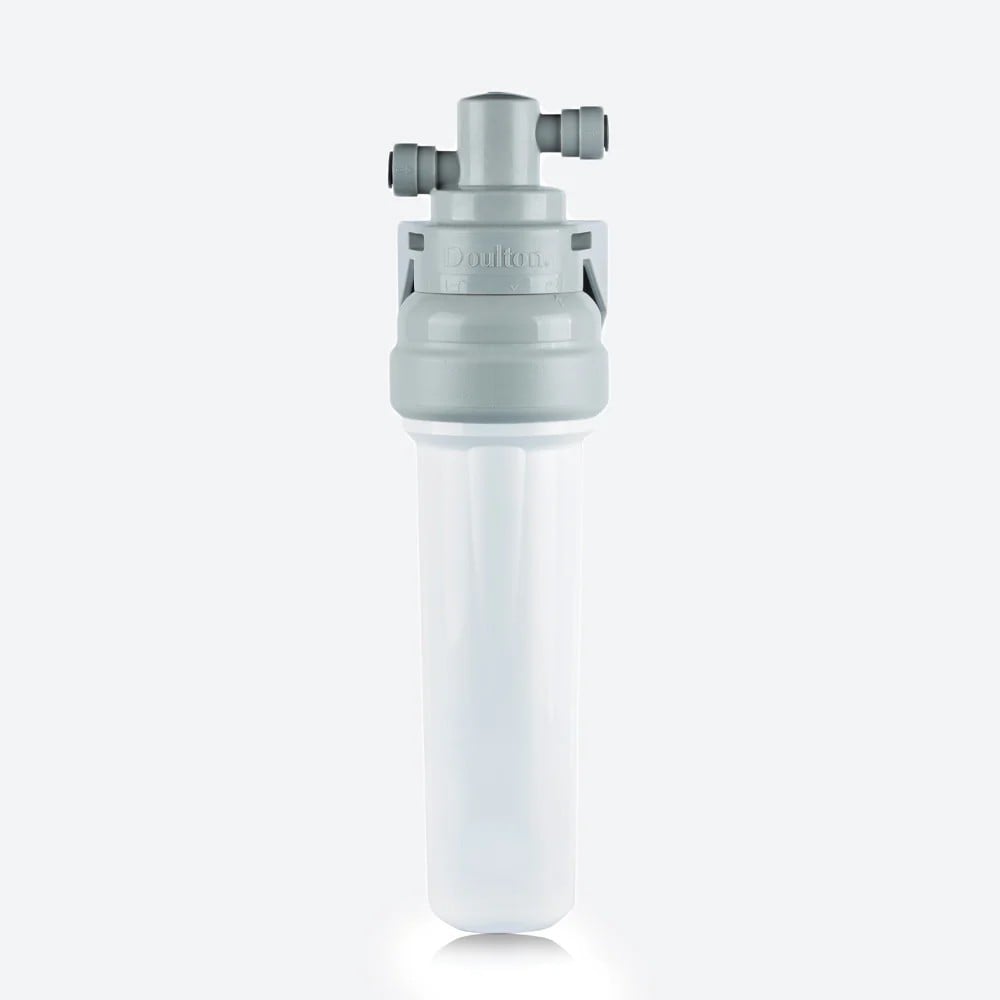
Countertop systems favor visibility and simpler access
A countertop system is positioned near the sink and can be connected to a compatible tap through a diverter arrangement. That can make installation and cartridge access relatively straightforward, particularly in a home where cabinet modifications are undesirable. Countertop models from Doulton illustrate the main trade-off. The system stays easy to see and reach, but it also occupies worktop space and adds a visible component around the sink. Tap compatibility should be checked before purchase because unusual faucet shapes or integrated spray fittings may require a different solution. The hose route also needs enough room to avoid kinks and interference with normal sink use. For renters or households that expect to move, the ability to disconnect a countertop unit may be attractive. The decision should still consider the replacement filter schedule and the space needed to change the cartridge without moving several nearby objects. A simple cardboard footprint can help with planning. Cutting a template to the listed dimensions shows whether a countertop or cabinet location leaves enough room for other kitchen tasks before any plumbing work begins.
Under-sink systems keep the worktop clear
An under-sink filter moves the main housing into the cabinet and can provide a cleaner visual arrangement above the counter. A system from Doulton can be connected within the plumbing layout so filtered water is available through the designated tap setup. The advantage is reduced clutter around the sink, while the trade-off is the need for suitable cabinet space and a correct installation. Pipe position, shutoff access and room for cartridge replacement should all be considered before choosing this format. A housing that technically fits inside a cabinet may still be awkward if there is not enough clearance below it to remove the filter. The cabinet also needs to remain accessible rather than being packed tightly with stored items. For a permanent kitchen arrangement, under-sink filtration can be convenient because the system becomes part of the normal plumbing area instead of another appliance on the worktop. For an under-sink system, future access matters as much as the first installation. A housing positioned behind a waste bin or drawer mechanism may technically fit but become frustrating during every cartridge change.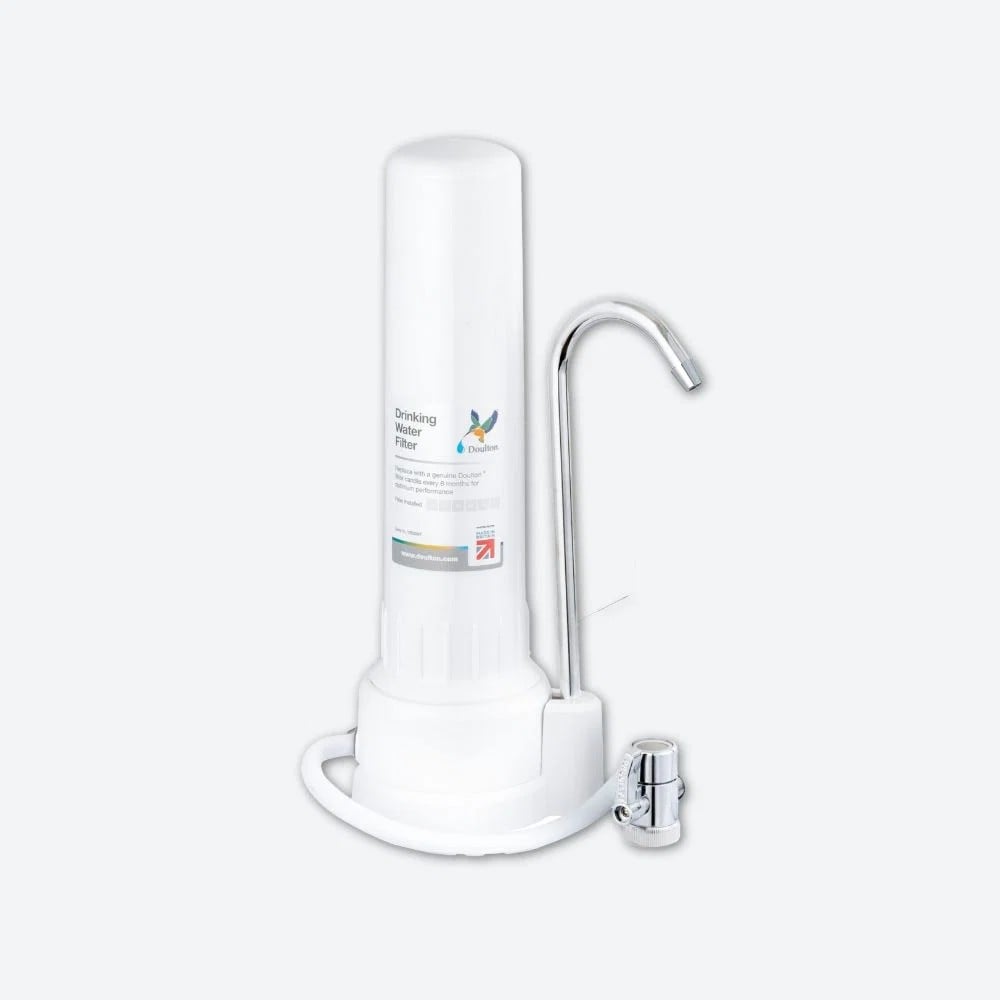
Gravity filtration is useful when plumbing is not part of the plan
A gravity system works by allowing water to pass through the filtration element into a lower chamber without relying on mains pressure. Doulton offers stainless steel gravity systems in several sizes, making this format distinct from both countertop diverter units and plumbed under-sink equipment. The main considerations are different as well. Gravity systems also introduce a filling routine. The upper chamber should be reachable comfortably with a jug or other normal filling method, otherwise the household may find the system less convenient than expected.
- The system needs a stable surface with enough vertical clearance for both the upper and lower chambers.
- Capacity should reflect normal household use because the upper chamber must be refilled manually as filtered water is consumed.
- The spigot and lower chamber should remain easy to access for serving water and routine cleaning.
- Filter replacement and cleaning intervals should be tracked even though the system does not use electricity or a permanent plumbing connection.
The best format is the one that matches the household routine
No housing style is automatically the best choice for every kitchen. A small rental may benefit from the removable nature of a countertop system, a renovated kitchen may favor an under-sink installation and an off-grid or flexible setup may make gravity filtration more practical. When comparing Doulton systems, the filter element, certified performance claims and replacement guidance for the exact model should be reviewed alongside dimensions and installation requirements. Water conditions can also influence maintenance, particularly where sediment or scale is significant. A household should know where the system will sit, who will replace the cartridge and how easy it will be to clean before making the final choice. Planning around those routine tasks often prevents a filter from becoming inconvenient after the first few months. The most successful installation is usually the one that integrates naturally into daily water use and remains easy enough to maintain consistently. Whichever format is selected, replacement elements should be identified before the initial purchase. Knowing the cartridge name, availability and service schedule helps reveal the long-term routine rather than focusing only on the first installation.