




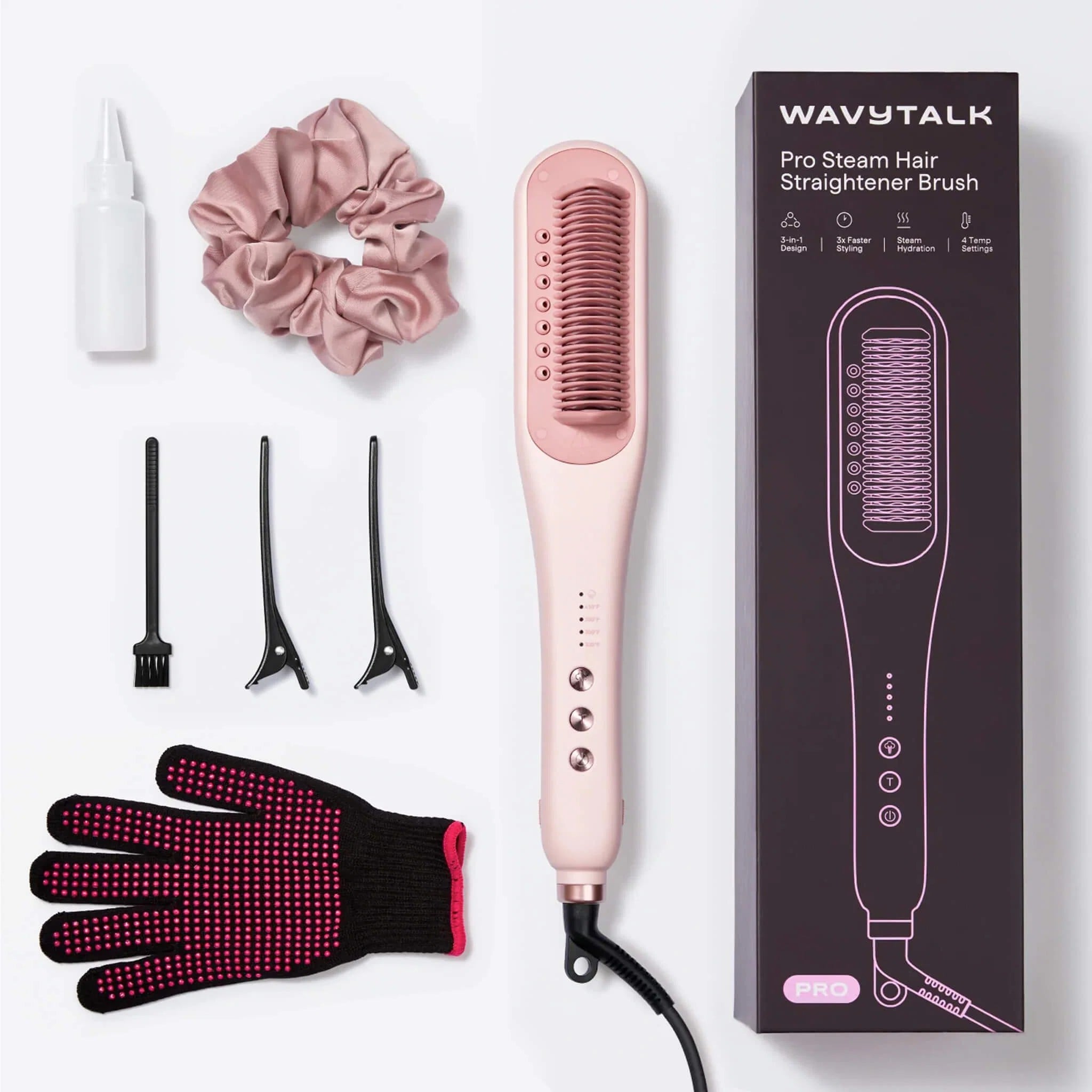
Steam straightening tools approach smoothing differently from a conventional flat iron because heat is paired with controlled steam and a brush-like pass through the hair. That combination can make the routine feel more continuous, but it still requires careful preparation and temperature selection. The Steamline Pro from Wavytalk is designed around a steam straightening brush format, so the user does not need to clamp every section between two plates. The technique is therefore closer to a slow brushing pass with tension. Hair should be detangled before styling and prepared according to the tool instructions. Steam does not remove the need for heat protection or sensible exposure. A smooth result depends on section size, steady movement and avoiding repeated passes over areas that are already finished.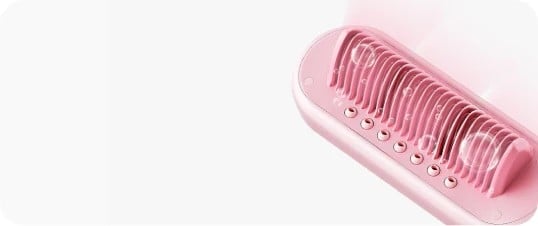
Water and tool preparation come before heat
A steam tool has an extra preparation step because its reservoir and steam system need to be handled according to the manufacturer instructions. The correct type of water, fill level and cleaning routine should be taken from the manual for the specific model. With a device such as the one from Wavytalk, checking those details before the tool heats up prevents interruptions midway through styling. Hair preparation is equally important. Knots should be removed with a regular brush or comb first, since a heated straightening brush should not be used as a detangler for difficult tangles. Products applied before styling should be compatible with heat and used in moderate amounts. Excess oil can weigh down the finished hair and may create residue on the tool. A clean starting point makes the brush glide more predictably and reduces the temptation to repeat sections. The reservoir should be checked before every session so styling does not stop halfway through a section. Any indicator lights or steam settings should be understood before the tool touches hair, especially when several heat modes are available.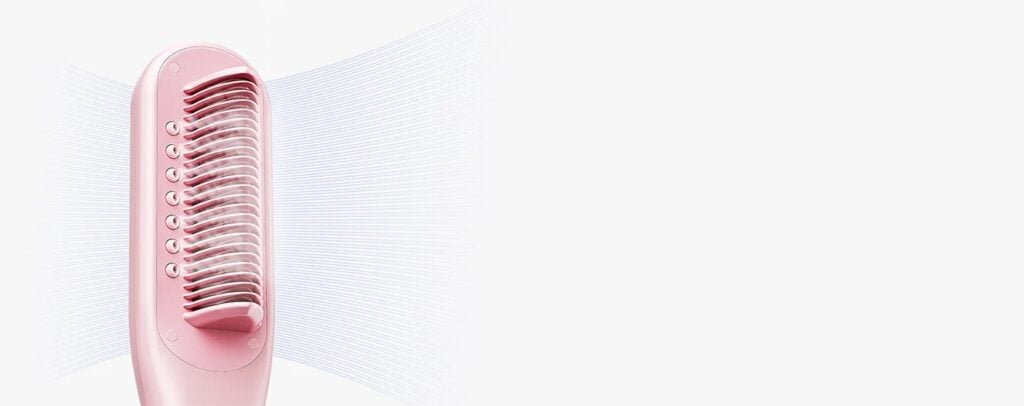
Smaller sections create more complete contact
A brush can only smooth the strands that pass through its heated area effectively. Very thick sections may look straight on the outside while the inner hair remains less controlled. Wavytalk demonstrates a brush format that is meant to contact hair across a broader surface than a narrow iron, but section size still matters. A practical approach is to divide the hair horizontally and work from lower layers upward. Each section can be held with light tension at the ends while the brush moves from near the roots toward the tips. The movement should remain steady rather than stopping for long periods. Areas around the hairline are usually finer and may need less heat than dense sections at the back. Using the same temperature and speed everywhere can therefore be unnecessary, especially when hair density varies across the head. Tension should come from a controlled hand position rather than pulling hard on the hair. The brush needs enough guidance to align strands, but excessive pulling can make the pass uncomfortable and can place unnecessary stress on the roots.
Steam styling works best with a repeatable sequence
A consistent order keeps one area from receiving several extra passes while another is barely styled. The Steamline Pro from Wavytalk can fit into a simple routine built around controlled sectioning and observation of the result after each pass. Working near the roots requires extra distance awareness. The heated and steam-producing areas should remain within the safe positioning described by the manual, and short hairs around the temples may need a gentler approach than the back sections.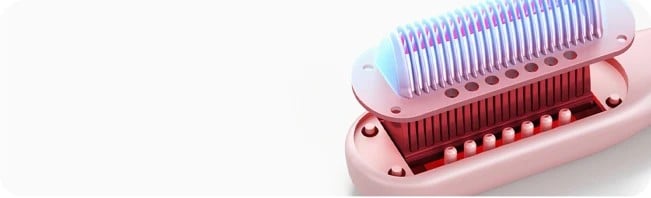
- Hair should be separated into clean layers before styling so each section can pass through the brush without catching neighboring strands.
- The brush should travel in one continuous direction and should not be held motionless against the hair for an extended time.
- The lowest effective temperature is a practical starting point, especially for fine, colored or otherwise sensitized hair.
- If a section remains puffy, reducing its thickness is usually a better first adjustment than repeatedly increasing temperature or dwell time.
Maintenance matters because steam systems handle both water and residue
A conventional hot brush mainly accumulates hair and styling residue, while a steam tool also has a water pathway that needs appropriate care. Wavytalk provides model-specific guidance that should determine how the reservoir is emptied, how the brush surface is cleaned and whether mineral buildup requires a particular procedure. The tool should be unplugged and fully cool before routine cleaning. Any removable reservoir should be handled exactly as described in its instructions rather than forced or overfilled. Storage also matters because a hot tool should not be wrapped tightly in its cord or placed in a closed space while still warm. For the hair itself, a smoother routine is achieved by limiting unnecessary passes and ending once the desired finish is reached. Steam can be a useful styling feature, but it does not make excessive heat harmless. Controlled technique remains the central part of the result. After styling, the reservoir and steam pathway should not be treated like an ordinary dry brush. Proper storage begins only after the device has cooled and any model-specific water-handling steps have been completed according to the instructions.