




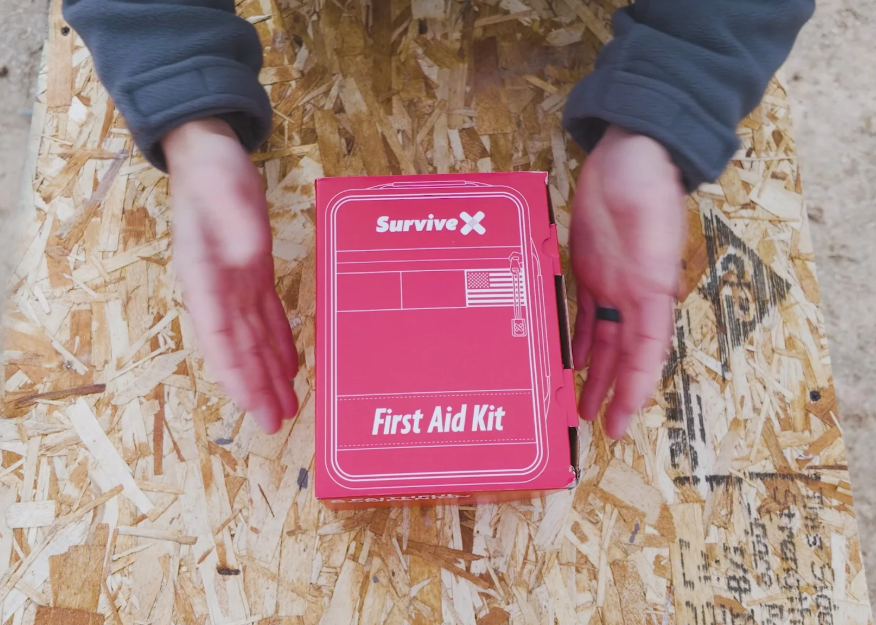
Disasters arrive without warning. Floods, wildfires, hurricanes, earthquakes and other emergencies can strike suddenly, leaving you and your family without critical services for extended periods. Effective emergency preparedness requires advance planning, supply gathering and practical knowledge. Survive-X provides equipment enabling families to survive weeks without external assistance. Developing a comprehensive emergency plan transforms chaotic panic into organized response, potentially saving lives. Understanding your specific risks, preparing supplies and practicing response procedures create confidence when emergencies occur unexpectedly.
Identifying Your Specific Risks and Threats
Emergency preparation begins with understanding your specific geographic and circumstantial risks. Coastal regions face hurricane and tsunami threats. Areas near fault lines face earthquake danger. River valleys face flooding risks. Wildland-urban interface communities face fire threats. Understanding your region’s disaster history informs which scenarios warrant priority planning. Families in tornado-prone regions require different preparation than those in hurricane zones. Seismic preparation differs from flood preparation substantially. Identify the three most likely disaster scenarios for your location, then prioritize preparing for those specific threats. This focused approach maximizes preparation effectiveness within practical time and resource constraints. Regional emergency management agencies provide risk assessments identifying primary threats.
Assembling Family Emergency Supply Kits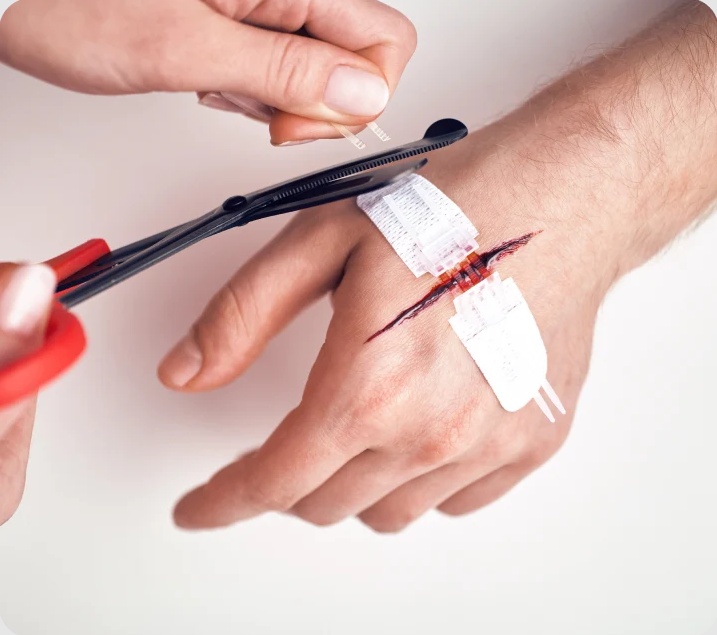
Families require more comprehensive supplies than individuals. Each person needs individual emergency kits addressing personal needs, medications and comfort items. Household emergency kits should address family-scale requirements appropriately. survive-x Comprehensive emergency supplies cover water, food, first aid, tools, documents and communication equipment. Plan for two weeks without external assistance, though initial supplies focus on the first 72 hours. Rotate stored food and water regularly to maintain freshness. Include medications, eyeglasses, infant supplies, pet supplies and comfort items alongside essential survival equipment. Document your supplies in writing so family members understand what’s available and where supplies are located. Store supplies in accessible locations family members know about.
Creating Household Communication Plans
Disasters disrupt normal communication infrastructure. Power outages disable cell networks immediately. Landlines disconnect when infrastructure fails. Family members separated during emergencies require predetermined communication methods. Establish an out-of-state contact person, relatives or friends, whom all family members can call. Phone trees specify who contacts whom. Predetermined meeting locations enable family reunification when communications fail completely. survive-x Communication planning reduces panic and enables organized response. Teach children the out-of-state contact information so they can call if separated from parents. Write down critical information, insurance policies, medical information, emergency numbers, since phones and computers may be unavailable.
Securing Important Documents and Information
Disasters can destroy homes, businesses and critical documents permanently. Photocopies and digital backups of important documents ensure you can prove identity, ownership and insurance coverage after emergencies. Create waterproof document containers holding copies of passports, birth certificates, property deeds, insurance policies and financial records. Store originals in safe-deposit boxes for protection. Maintain digital backups in cloud storage accessible from any location. Property photographs documenting contents and condition support insurance claims significantly. Medical records and prescriptions enable continued healthcare after disasters. survive-x Document preparation prevents bureaucratic nightmares during recovery.
Developing Home Safety and Hardening Measures
Physical home improvements reduce disaster damage substantially. Storm shutters protect windows from wind and flying debris. Roof strapping secures roofs against high winds. Flood barriers prevent water entry during inundation. Defensible space around homes reduces wildfire risk. Backup power systems maintain electricity during outages. Water heaters secured to walls prevent collapse during earthquakes. survive-x Home hardening investments reduce damage, expedite recovery and save lives.
Training and Practicing Emergency Response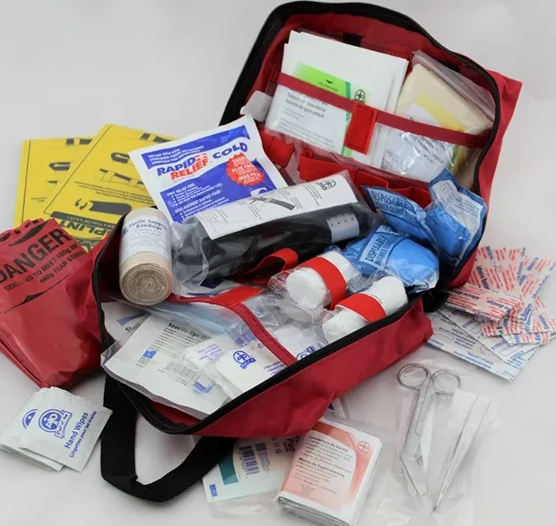
- Family drills practicing evacuation procedures prepare everyone for rapid response.
- CPR and first aid training enables immediate care for injured family members.
- Practicing shelter construction and supply usage builds confidence and identifies deficiencies.
- Mock power outages test whether households can function without electricity.
- Communication drills ensure everyone understands predetermined procedures.
Emergency preparedness represents practical investment in family safety and security. Effective preparation combines planning, supplies, communication systems and training. Regular reviews and updates ensure plans remain current as families grow and circumstances change. While disaster preparedness requires advance effort, the security and confidence provided justify the investment completely.