




Understanding the product range offered by GreenRoads helps put everyday shopping decisions in context. Rather than relying on promotional language, a careful comparison focuses on product details, intended use and practical limitations.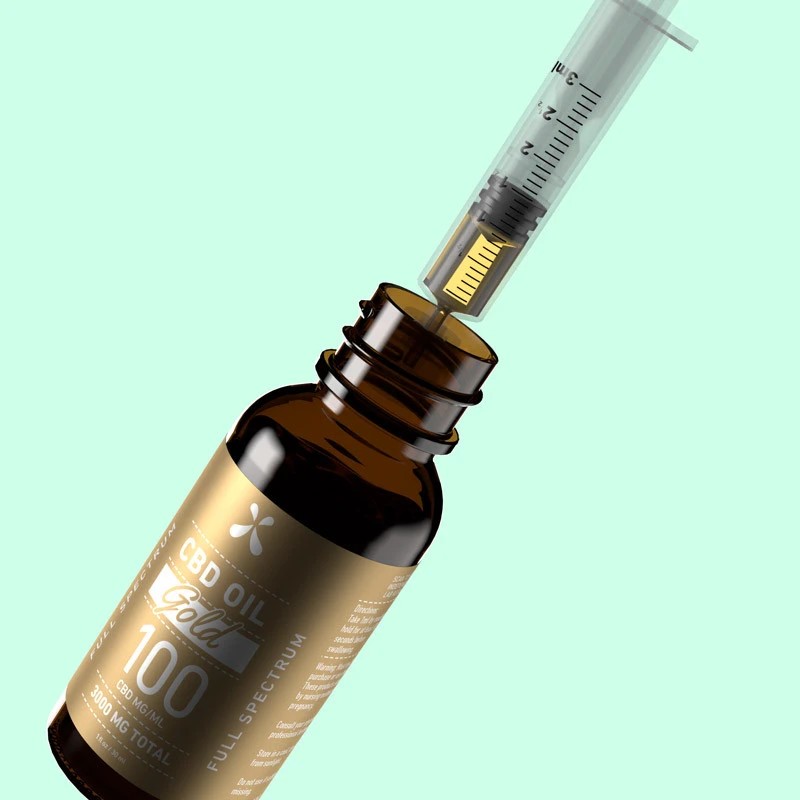
Why the Delivery Format Changes the Experience
CBD oil and capsules are often presented as equivalent ways to consume the same ingredient. In practice, they create quite different routines. A dropper bottle requires measuring liquid, reading the concentration and cleaning up occasional spills. Capsules provide an already measured amount in a familiar format. The differences involve handling and preference more than a simple claim that one form is universally better.
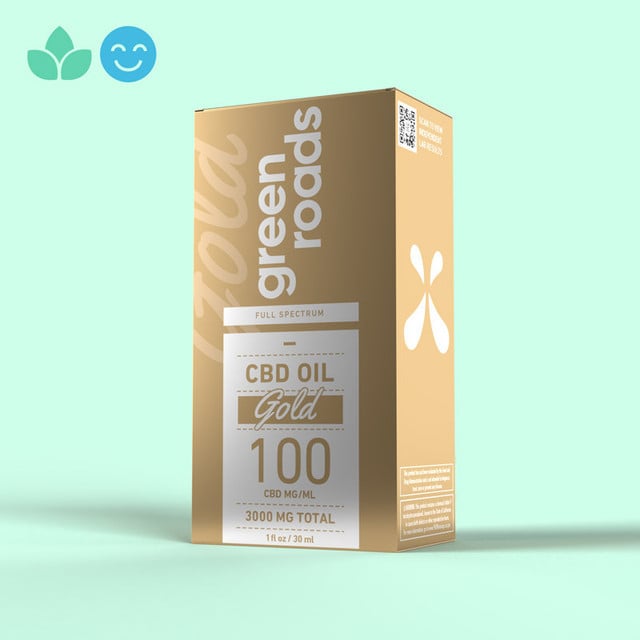
Green Roads lists oils in different strengths alongside CBD capsules and softgels. Someone reviewing these categories should begin by identifying the amount of CBD delivered in an actual serving. The number printed most prominently on an oil bottle often describes total container content. It should not be mistaken for a single serving. For capsules, the unit is usually the amount contained in each capsule, though the label always remains the authoritative reference.
Evaluating Measuring, Portability and Taste
Oils provide flexibility when the dropper markings and manufacturer instructions permit different measured serving sizes. That flexibility can also introduce measurement errors, particularly when the concentration is high. People who dislike the flavor or texture of oral oils may prefer softgels, while others value not having to swallow a capsule. Travel requirements can matter as well. A sealed capsule container is comparatively simple to pack, whereas a liquid bottle may require protection against leaks and attention to transport rules.
Green Roads sells flavored oil options, illustrating how taste enters the decision without changing the need to examine concentration. Flavor can make a product more pleasant, but it does not establish greater effectiveness. Likewise, an easy-to-swallow capsule may be convenient for one person and unsuitable for someone who struggles with pills. Preferences should be treated as legitimate practical factors, not evidence that the underlying substance works differently for every person in a predictable way.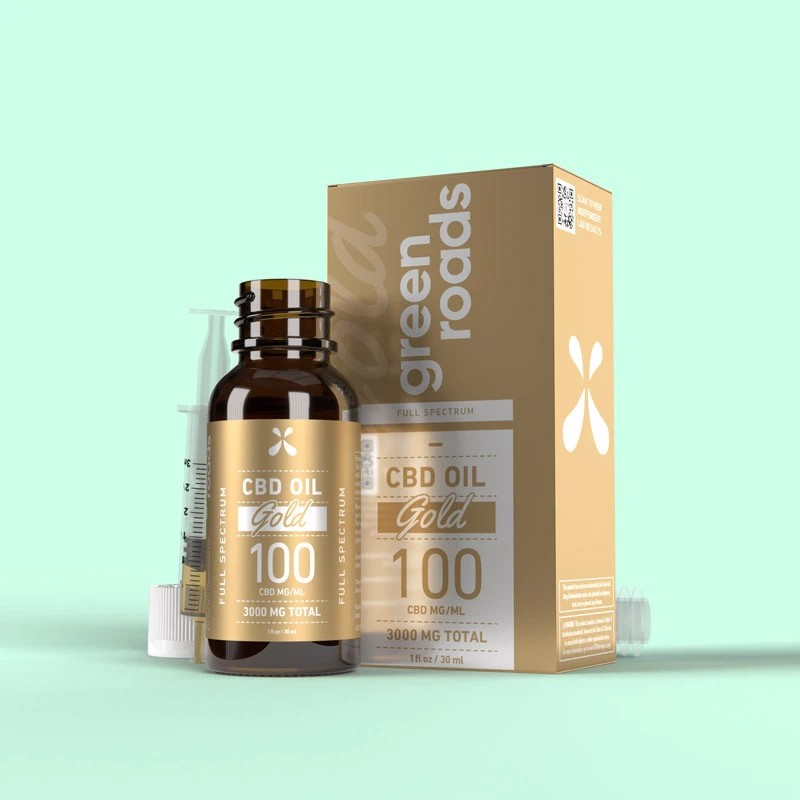
Questions Worth Asking Before Choosing
The distinction between broad-spectrum, full-spectrum and isolate formulations is important. Full-spectrum hemp extracts may contain measurable THC, while broad-spectrum products are commonly processed to reduce or remove THC, although labels and laboratory reports should confirm actual contents. An isolate usually contains purified CBD. Product terminology alone cannot establish a zero-THC guarantee or eliminate the possibility of a positive drug test.
- Read the total CBD amount and the manufacturer-defined serving amount separately.
- Check the formulation type and available laboratory certificate.
- Consider whether droppers or premeasured capsules fit the daily routine.
- Review other ingredients, including carrier oils and flavoring agents.
- Consult a healthcare professional about medications or existing conditions.
For repeat purchasing, affordability should be evaluated with the same serving assumptions. Comparing bottles simply by volume is misleading when concentrations differ. A larger bottle with less CBD per milliliter may be a different proposition from a smaller concentrated bottle. Careful arithmetic helps, but safety and suitability take precedence over apparent value.
Setting Reasonable Expectations for CBD
Scientific evidence about CBD varies substantially by condition, formulation and dose. Prescription cannabidiol has established uses for certain seizure disorders, but that does not mean ordinary retail oils and capsules are approved to treat those or other diseases. Claims about relief from stress, sleep difficulties or pain require particularly careful interpretation. Results described in customer reviews are personal experiences rather than controlled clinical evidence.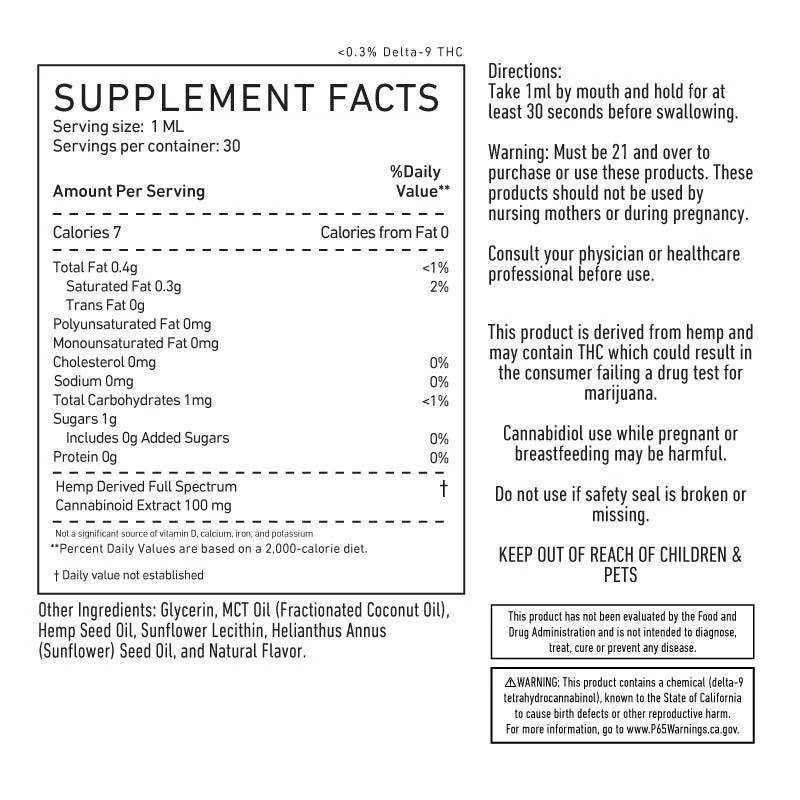
Green Roads publishes laboratory information for its products, and that information helps consumers examine content claims. It does not replace medical advice or establish that a product will produce a promised effect. Anyone experiencing persistent symptoms should seek clinical assessment instead of adjusting an unregulated wellness routine in place of care.
Ultimately, format selection is a usability question. People considering CBD should first establish whether using it is appropriate, then examine the amount, composition and reported testing. Only after those questions are answered does the choice between a measured oil and a convenient capsule become meaningful. A predictable routine is one that can be understood and followed safely, not merely one that feels effortless.
The decision can also be revisited as routines change. A liquid container that feels manageable at home may prove inconvenient during travel, while a capsule may be difficult to use for someone who has trouble swallowing pills. Keep the original packaging with any product instead of transferring it to an unlabeled bottle. This helps preserve ingredient information, storage directions and batch identification. Measurements should come from the supplied device, not from a household spoon or improvised dropper. People should also consider the time needed to read labels and monitor how they respond rather than assuming a format eliminates uncertainty. Green Roads demonstrates that more than one product format can exist for similar shopping goals, but the range itself does not establish a preferred routine for every person. If a health issue motivates a purchase, a clinician can help distinguish a symptom requiring evaluation from a general wellness preference. The sensible result may be to choose neither format. That possibility belongs in an informed comparison alongside convenience, taste and cost, even when products are readily available online.