




Electrical muscle stimulation has picked up a cloud of exaggerated claims over the past decade, and separating fact from marketing fluff matters for anyone weighing a device. Many EMS muscle stimulation myths circulate online, ranging from claims that a few sessions replace a gym membership to the idea that stronger shocks always mean better results. This article looks at what NMES technology actually does, what it does not, and where common user mistakes tend to come from.
EMS Cannot Replace Traditional Exercise Entirely: What the Clinical Evidence Shows
Neuromuscular electrical stimulation triggers involuntary muscle contractions through electrical impulses delivered via gel pads placed against the skin, which in turn activate motor nerves beneath the muscle. That is a genuinely different stimulus than lifting a weight or running a set of stairs, because it isolates specific muscle fibers without requiring joint movement or cardiovascular effort. One of the most persistent EMS muscle stimulation myths is that a stimulator session fully substitutes for cardio, mobility work, or progressive overload training. Clinical use of NMES has long focused on muscle activation, rehabilitation, and toning support, not on replacing an entire fitness routine.
How NMES Technology Actually Works: Muscle Contraction Without the Movement
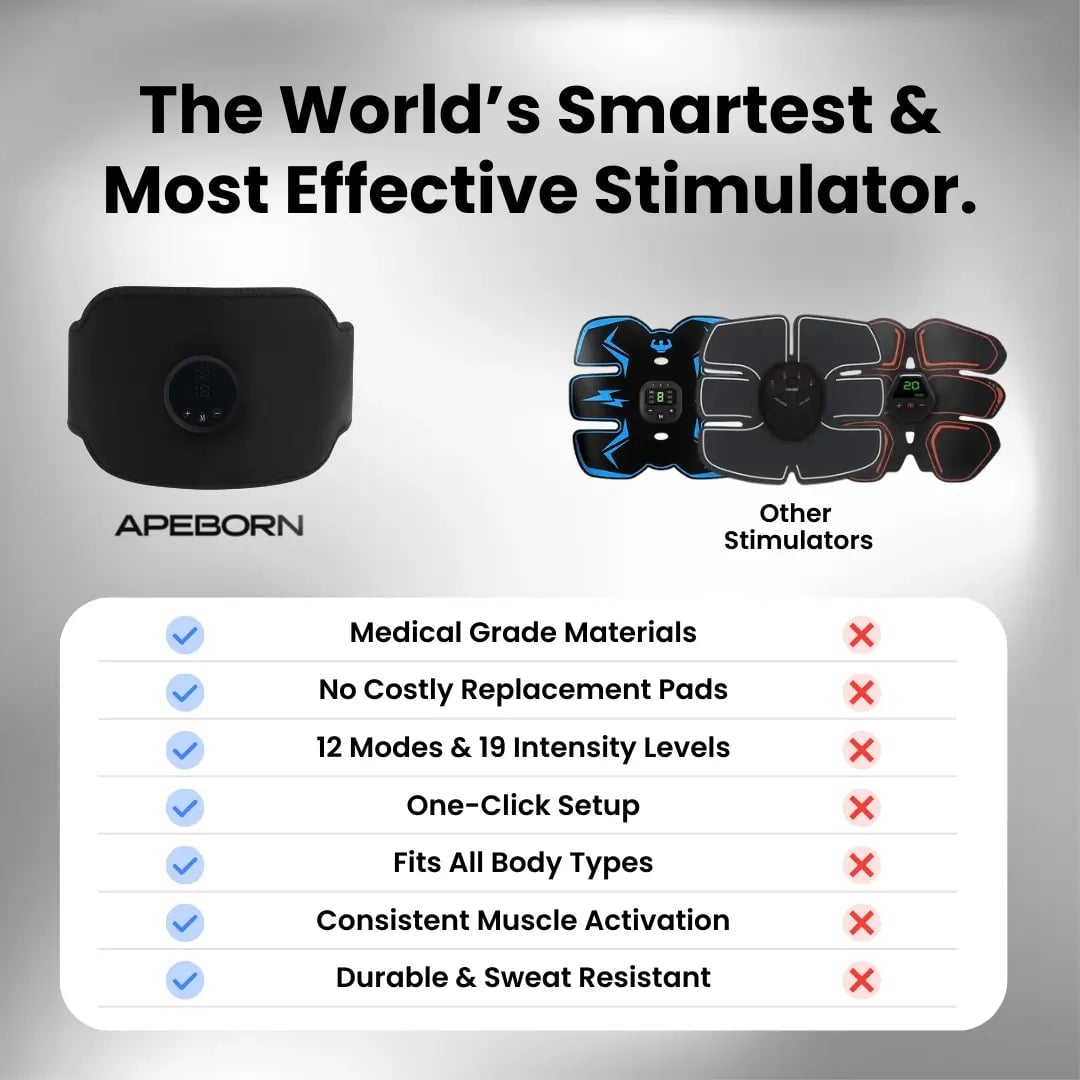
The contraction itself happens the way it would during a voluntary movement, only without any joint action taking place, since the nerve signal is triggered externally rather than by the brain. Apebornfitness describes its NextGen Ultra Muscle Stimulator as delivering over 600 deep muscle contractions in a single session, entirely hands-free. Because the contraction is externally triggered, people sometimes assume the effect is identical to a full dynamic exercise, which is one of the more common EMS muscle stimulation myths worth correcting. Understanding this distinction helps explain why NMES devices are marketed as a supplement to training rather than a stand-in for it.
The 60-Minute Equivalent Claim Explained: What Apebornfitness NextGen Ultra Devices Really Deliver
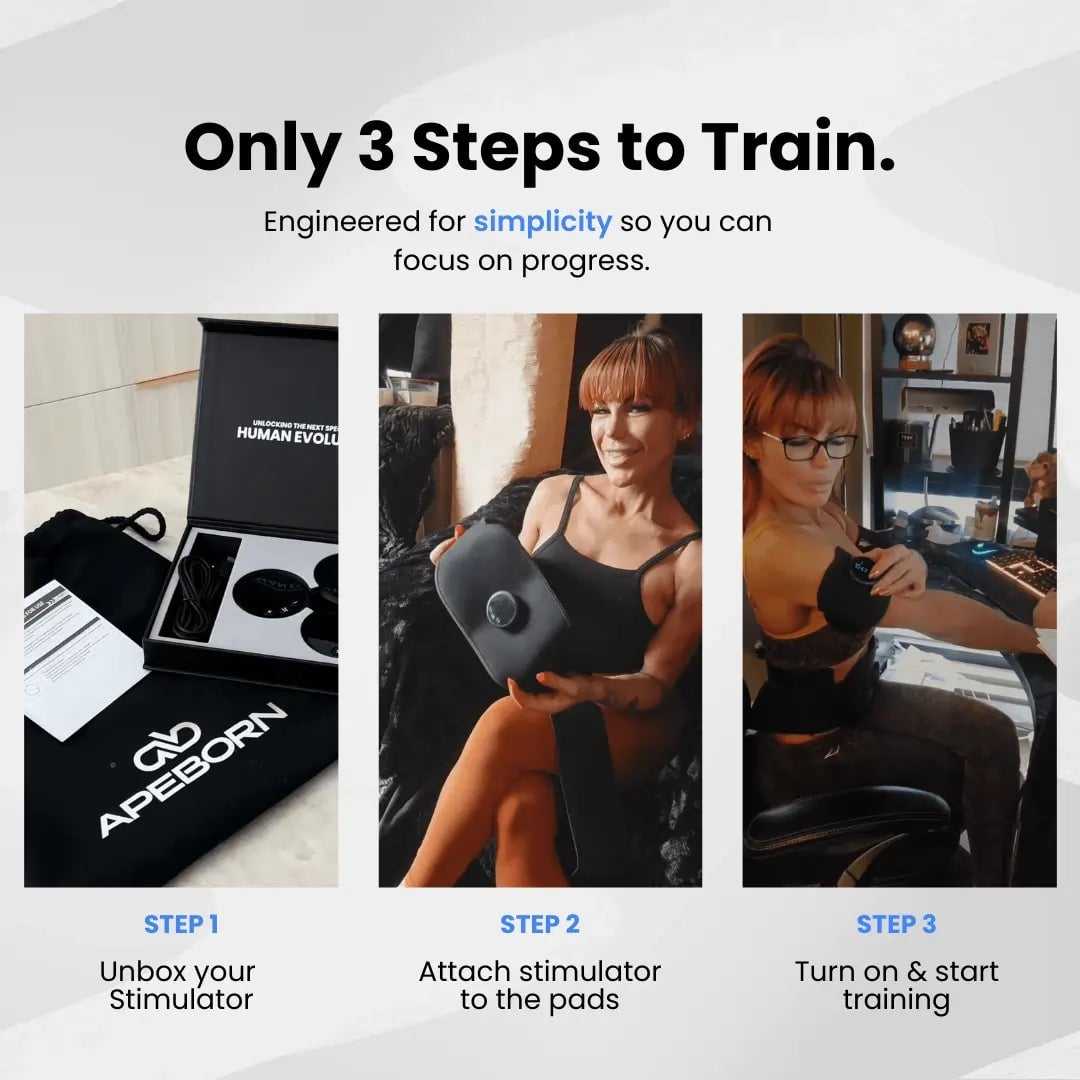
Product listings for the NextGen Ultra line describe a 20-minute session as the equivalent of 60 minutes of sit-ups, squats, or calf raises, depending on the stimulator used. That framing refers to contraction volume achieved in a shorter window, not an identical physiological outcome to an hour of compound movement. The NextGen Ultra Muscle Stimulator from Apebornfitness is marketed as burning up to 500 calories from a 20-minute session while firing contractions through the abs and arms region. Reading that claim correctly means treating it as a contraction-volume comparison, not a literal one-to-one swap for an hour at the gym.
Common User Mistakes With EMS Devices: Gel Pads, Placement, and Consistency
A surprising number of disappointing EMS experiences trace back to basic errors rather than the technology itself. Worn-out or poorly adhered gel pads reduce contact with the skin, which weakens the contraction and makes a session feel ineffective. Placement matters too, since pads positioned off the target muscle group stimulate the wrong fibers entirely. Consistency is another overlooked factor, because sporadic use rarely produces the same visible toning that regular sessions support.
- Many assume EMS builds new muscle mass the same way resistance training does, when its primary role is activation and toning support.
- Some believe stronger intensity always equals better results, ignoring that comfort and consistent pad contact matter more for an effective session.
- A frequent assumption is that EMS alone can produce significant fat loss, though calorie-burning claims are tied to specific session lengths and devices.
- Others think any pad placement on a muscle group works equally well, overlooking that precise positioning affects which fibers actually contract.
- There is also a myth that EMS devices need no skin preparation, when gel pad contact quality directly affects contraction strength.
NextGen Ultra Full Body Kit vs. Targeted Stimulators: Choosing the Right Coverage
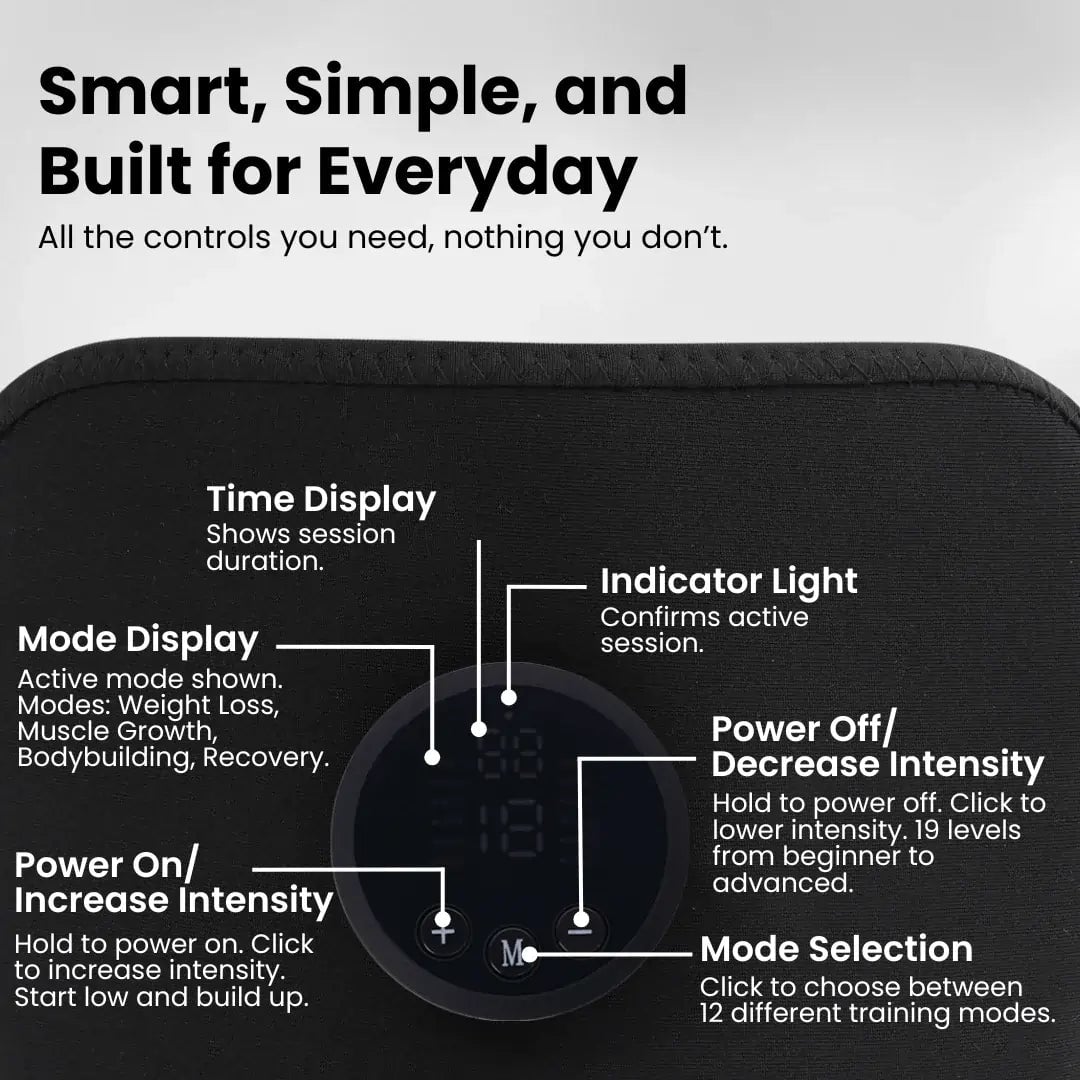
Apebornfitness offers both targeted stimulators and a combined option for broader coverage. The NextGen Ultra Full Body Kit includes seven stimulators covering the abs, arms, thighs, and calves, delivering the same deep, hands-free NMES contractions across each region. By contrast, the NextGen Ultra Glute Stimulator focuses specifically on the glutes, firing over 600 contractions per 20-minute session without any squat rack involved. The NextGen Ultra Thigh & Calf Stimulators pair of devices targets the lower body, a muscle group the brand notes many training programs overlook.
Choosing between a single targeted stimulator and the full kit comes down to how many muscle groups a routine needs addressed at once. Apebornfitness positions the kit as a complete system, while the individual stimulators suit a narrower focus on one region at a time.
Realistic Timelines for Visible Results With EMS and Supplemental Training
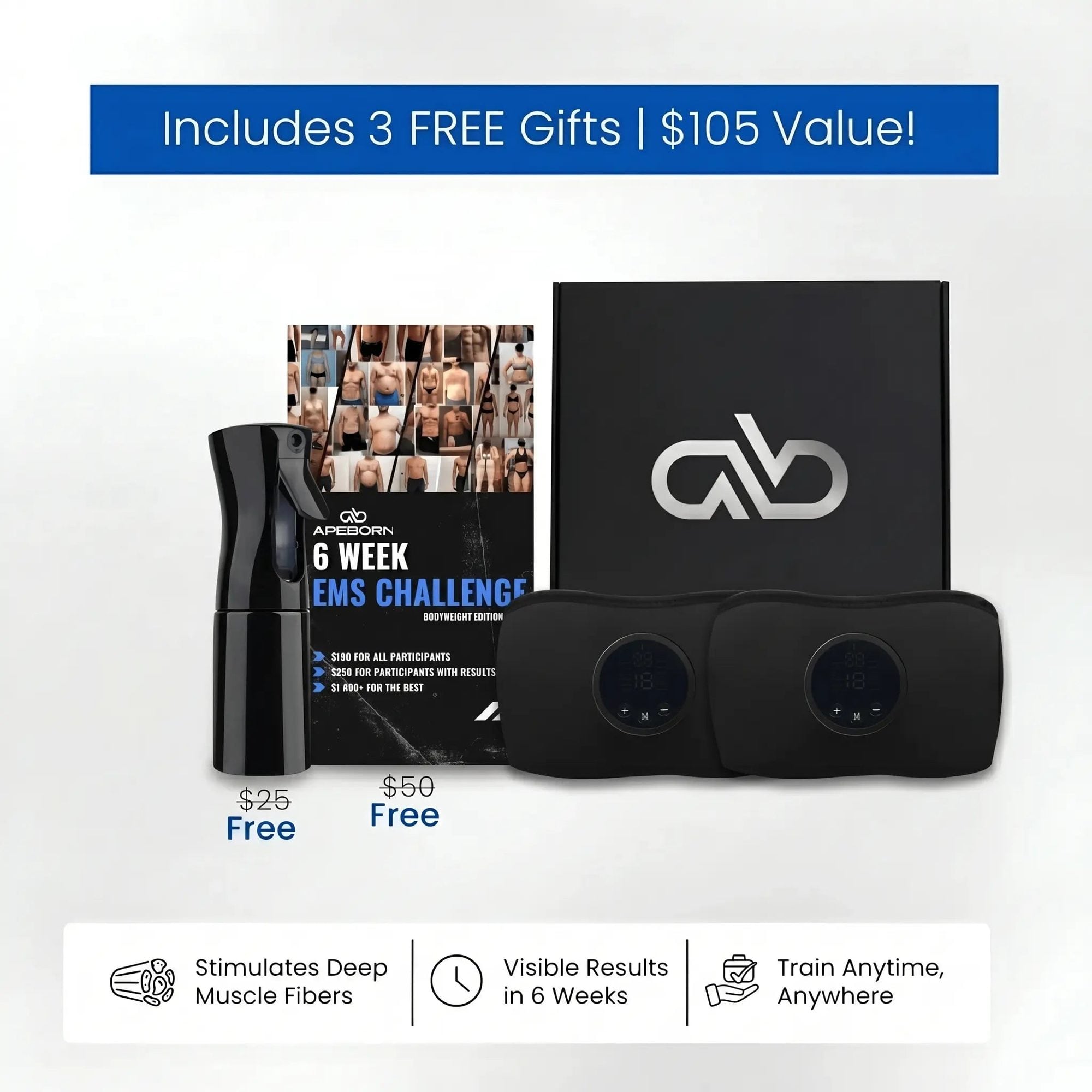
Apebornfitness references a figure of 94% of users seeing visible toning within 60 days of use. That statistic is tied specifically to its own user data and should not be generalized to every EMS device on the market. A 60-day money-back guarantee accompanies several of its stimulators, which reflects a timeline long enough to judge whether visible changes have occurred. Expecting dramatic change within the first week sits closer to the EMS muscle stimulation myths this article has addressed than to what the clinical framing of NMES actually supports.
EMS technology occupies a specific, useful niche rather than replacing exercise outright, and that distinction separates realistic expectations from the myths surrounding it.