




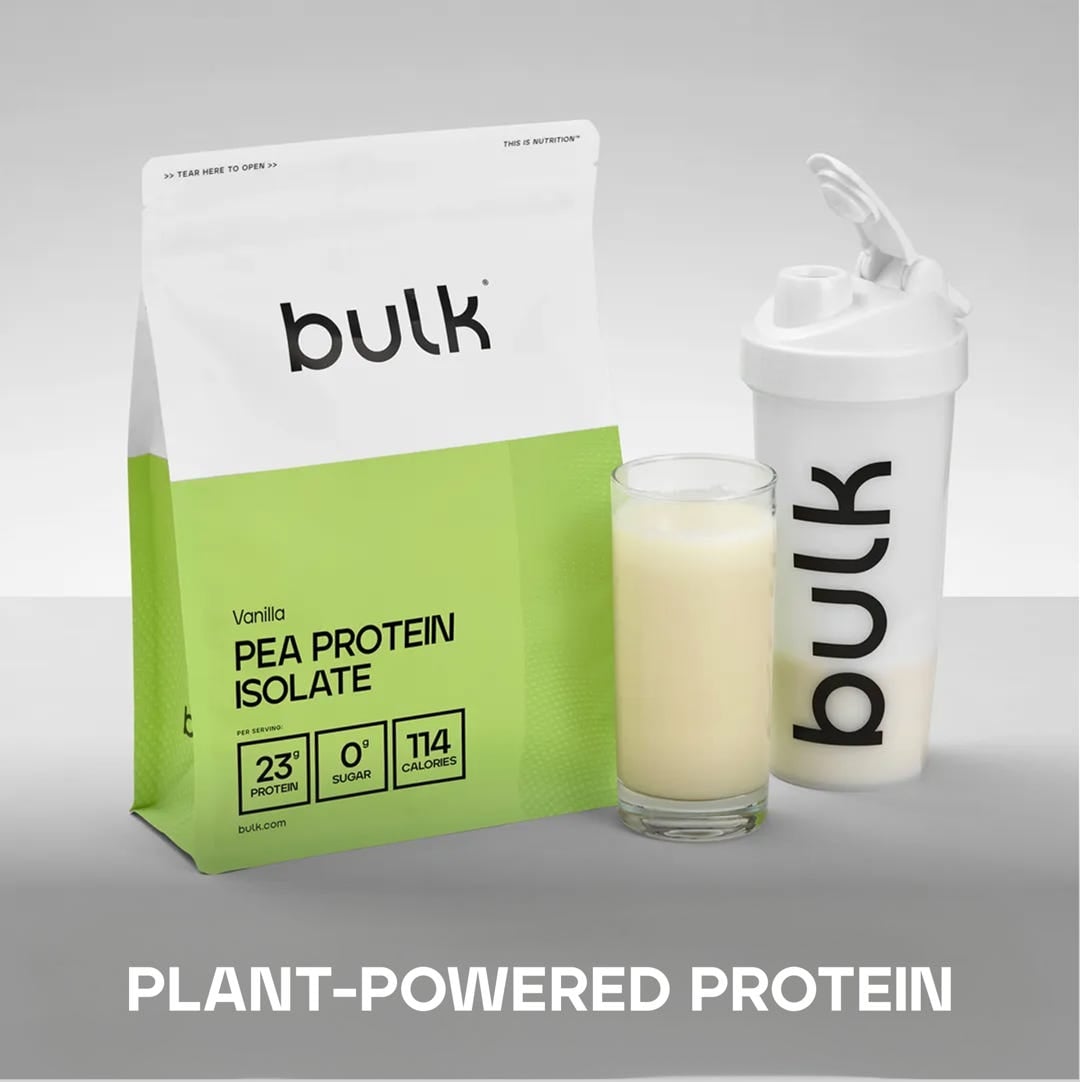
Building a complete supplement routine does not need to drain a monthly budget. Budget sports nutrition means finding protein, meal support, and performance products that cover real nutritional gaps without unnecessary extras. Bulk has built a wide catalogue around that idea, spanning protein powders, meal replacement shakes, and performance-focused formulas.
What Budget-Friendly Sports Nutrition Means in Practice
Budget sports nutrition means choosing protein, carbohydrates, and micronutrients in forms that actually get used, rather than overpaying for ingredients that sit half-finished in a cupboard. Bulk‘s range covers protein powders, isolates, creatine, pre-workout, protein snacks, and vegan protein, which gives athletes room to pick what fits their training instead of paying for one fixed bundle.
A sensible stack usually starts with a protein source, adds a convenient meal option for busy days, and layers in a performance ingredient such as creatine where relevant. That approach keeps spending focused on what gets used regularly. It also means the stack can grow or shrink as goals change, which matters more than chasing the most expensive label on a shelf.
Complete Meal Replacement with Meal Replacement Shakes
Meal replacement shakes fill a specific gap, covering a fuller nutritional profile in a single serving when a proper meal is not practical. Bulk’s food range sits alongside its protein and snack categories, and the brand describes this range as pure, nutrient-rich, and wholesome, with no unnecessary additives or preservatives. That range also includes items such as nut butters and pancakes, aimed at anyone looking for convenient, protein-forward food rather than just powders.
For someone training several times a week, a shake built around that kind of food range can stand in for a meal without turning nutrition into a guessing game. It is not a substitute for whole food every day, but as an occasional tool it keeps protein and energy intake steady. That kind of consistency often separates a sustainable routine from one that falls apart after a few weeks.
Protein Foundation: Breakfast Smoothie and Clear Protein Options
Protein remains the anchor of most supplement stacks, and variety in format matters as much as the protein source itself. Clear Protein appears among Bulk‘s listed categories alongside standard protein powders, offering a lighter, juice-like alternative to a traditional shake. This kind of format diversity gives athletes more than one way to hit daily protein targets without the same texture or flavour every single day.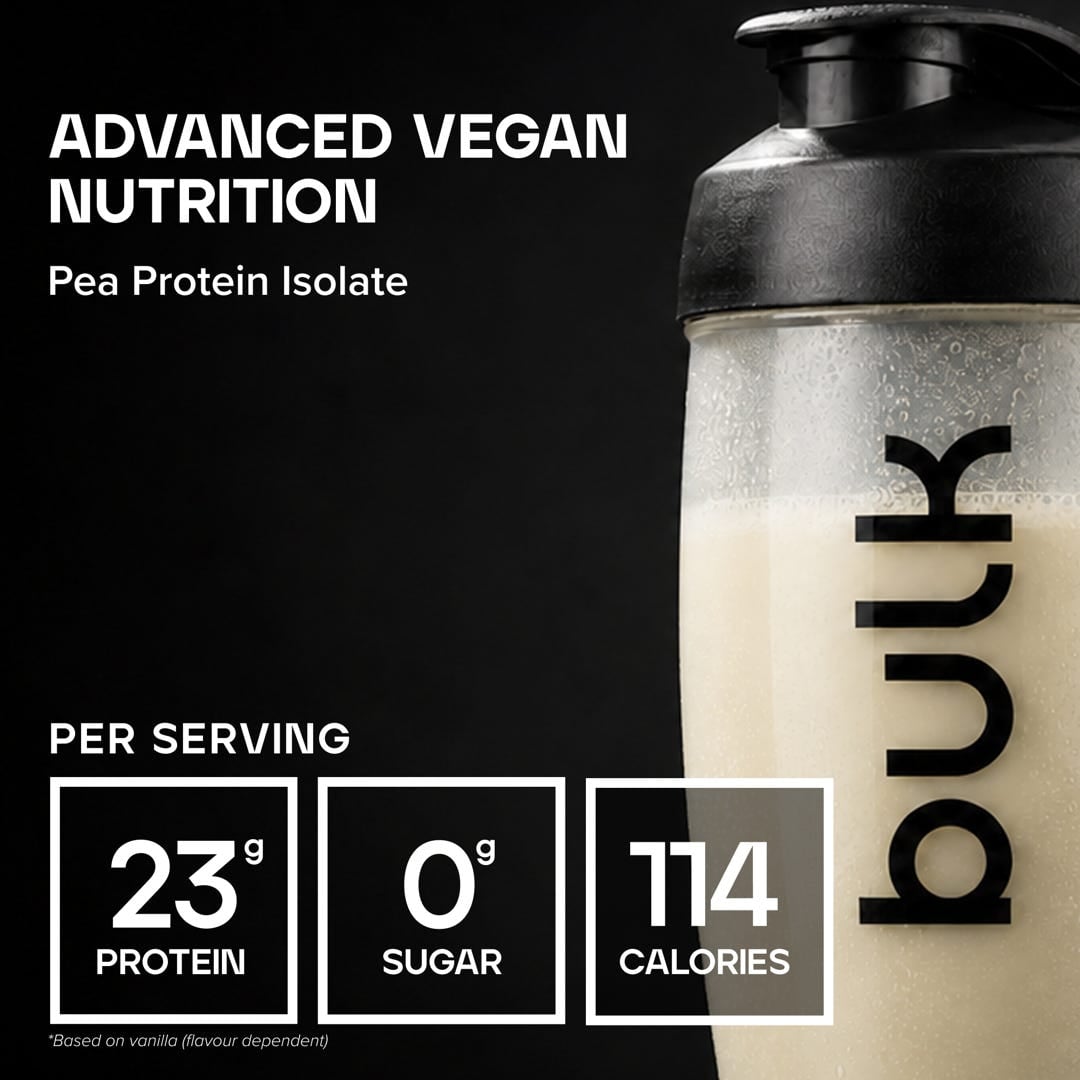
A breakfast-style smoothie built around a protein powder also solves a timing problem. Mornings are often when nutrition gets skipped entirely, so a quick blended option keeps intake on track before a first training session. Pairing a standard protein powder with an occasional Clear Protein serving adds flexibility without adding real complexity to a routine.
Mass Building Nutrition with Calorie-Dense Shakes
Athletes focused on muscle gain generally need more total calories alongside protein, which is where a calorie-dense shake earns its place. Bulk‘s navigation separates products by goal, including a section for building muscle alongside sections for optimising health, losing weight, and sustaining endurance and hydration. Rather than forcing extra whole meals into an already full day, a calorie-dense shake adds protein and energy in one sitting.
This matters particularly for anyone who struggles to eat enough through regular food alone. A dense shake can close that gap without requiring a complete diet overhaul. It works best as one part of a broader eating pattern, not a sole source of nutrition.
Creating a Flexible Supplement Stack Across Multiple Goals
Because Bulk separates its range by goal rather than bundling everything into one fixed plan, a stack can be adjusted as priorities shift during a training year. A runner training for endurance has different hydration and carbohydrate needs than someone focused purely on strength. A person might lean on protein and creatine during a strength phase, then shift toward hydration and recovery products as endurance training takes over.
This flexibility is a practical advantage for anyone building a budget sports nutrition stack without locking into one narrow setup. On top of that, having protein snacks and vegan protein listed as their own categories means a stack can mix formats as tastes or schedules change. As a result, a routine does not need a full overhaul just because one goal replaces another.
Several nutritional components separate a genuinely useful addition to a stack from one that simply duplicates what is already being eaten. The list below outlines what is worth checking before a new product joins a routine.
- Protein content per serving determines how much a product actually contributes toward daily intake targets.
- Carbohydrate quality affects how steadily energy is released during and after training sessions.
- Fibre content supports digestion, which matters when shakes or bars replace whole-food meals regularly.
- Vitamin coverage can fill gaps left by a limited or repetitive diet during heavy training blocks.
- Calorie density decides whether a product works better as a light snack or as a genuine meal replacement.
Taken together, these factors give a clearer picture of value than price alone ever could, since a cheaper option that skips protein or leans on filler ingredients is not automatically the stronger budget sports nutrition pick. Checking labels against actual training needs remains the simplest way to build a stack that holds up over time.
Matching each product to an actual gap in a routine keeps nutrition both affordable and effective.