




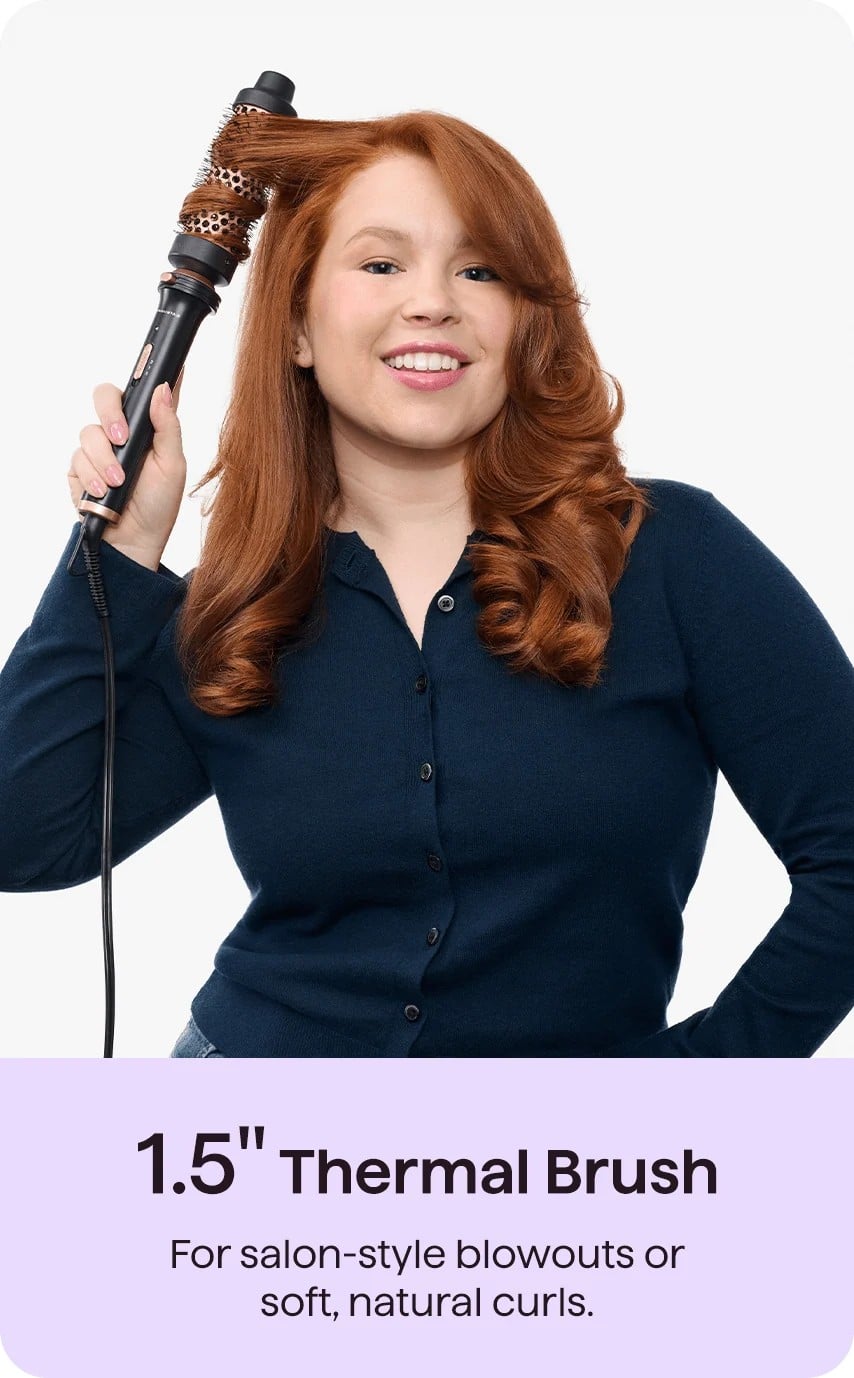
A multi-styler is most useful when its attachments are treated as different shaping tools rather than interchangeable pieces. Barrel diameter, hair section size and the amount of tension applied can change a finished style from compact curls to loose waves. The Multi Curl set from Wavytalk includes several styling options, which makes technique more important than simply selecting an attachment and applying heat. A successful routine starts with the intended finish. Defined curls need smaller sections and more deliberate shaping, while relaxed waves generally benefit from larger sections and less uniform placement. Hair condition also matters. Dry, fragile or chemically treated hair may need lower heat and fewer passes. The goal is to create a repeatable pattern without subjecting each strand to unnecessary reheating.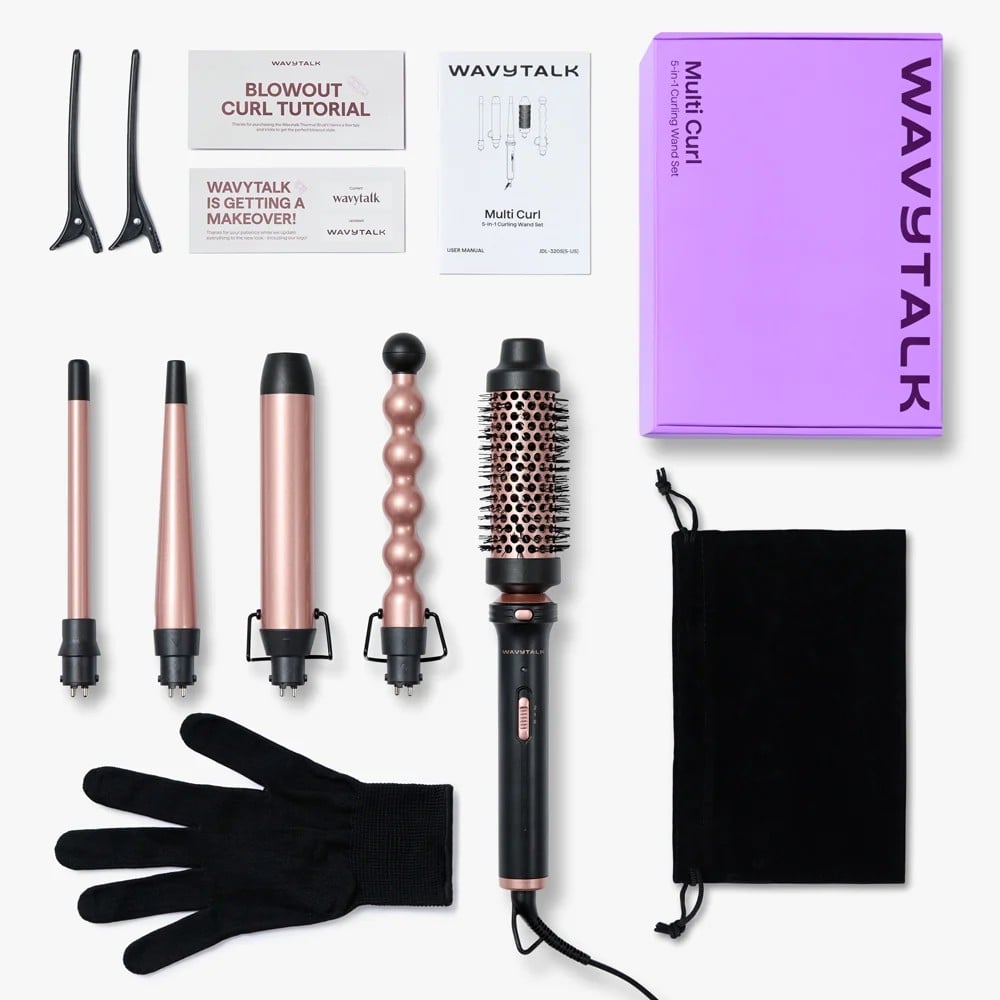
Barrel size changes the visual rhythm of the style
Smaller heated barrels wrap the hair around a tighter curve, so they tend to create a more compact pattern. Larger barrels spread the same strand across a wider surface and usually create a softer bend. A set such as the one from Wavytalk makes it possible to change that geometry without buying several separate tools. The final result, however, is also influenced by section width. A small section around a medium barrel can still look more defined than a thick section around the same barrel. The safest approach is to choose one combination and test it on a lower layer before styling the whole head. That small trial shows whether the temperature, section size and holding time are producing the desired level of definition. Adjustments can then be made before the most visible layers are styled. Attachment changes should happen only after the previous piece has cooled enough to handle safely. A heat-resistant surface gives each hot component a predictable place to rest and keeps it away from fabric, paper and other heat-sensitive items.
Direction can make curls look uniform or more natural
Curl direction changes how the finished strands sit against one another. When every section is wrapped in the same direction, the hair can combine into a more continuous wave once it is brushed. Alternating directions produces greater separation and a less uniform texture. Around the face, many stylists prefer sections directed away from the face because the shape opens the front rather than folding inward. Tools from Wavytalk can support either approach, but the direction should be decided before the styling sequence begins. Switching direction accidentally from section to section can create a result that looks inconsistent rather than intentionally varied. The crown often benefits from careful placement because the way those sections fall influences overall volume. The ends can be left slightly straighter for a relaxed look or wrapped more fully for a traditional curl. Face-framing sections deserve a separate plan because their direction is more visible than hair at the back. Testing one strand first prevents an entire side from being curled inward when the intended result was an open, outward shape.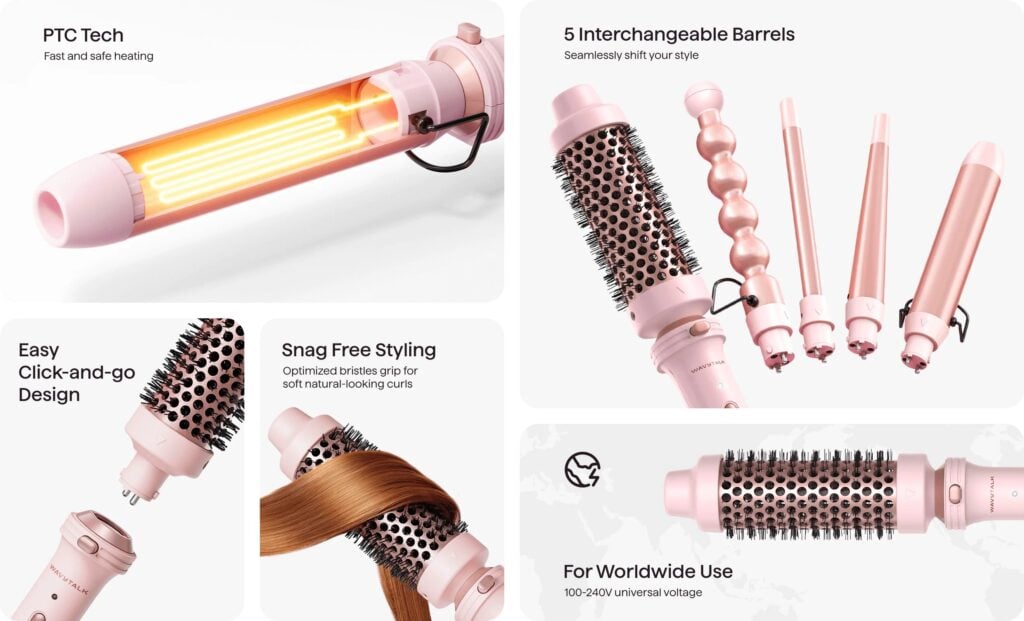
Heat should be managed across the whole head
The longest styling session is not necessarily the most effective one. Wavytalk provides multiple attachments, but changing tools should not become a reason to repeatedly restyle the same section. A simple heat-management plan helps keep the process controlled. Styling symmetry can be checked before the curls are separated. If one side has much smaller sections, its final texture will usually appear denser. Matching the general section scale produces a more balanced result even when directions alternate.
- Each strand should be dry and detangled before it is wrapped so the tool is shaping hair rather than fighting knots or moisture.
- The temperature should be selected for the hair type and condition rather than automatically set to the highest option.
- Sections that do not hold well should first be made smaller before holding the tool in place for much longer.
- Finished curls should be allowed to cool before they are separated because warm hair can lose its new shape more quickly.
The final separation determines whether the result reads as curls or waves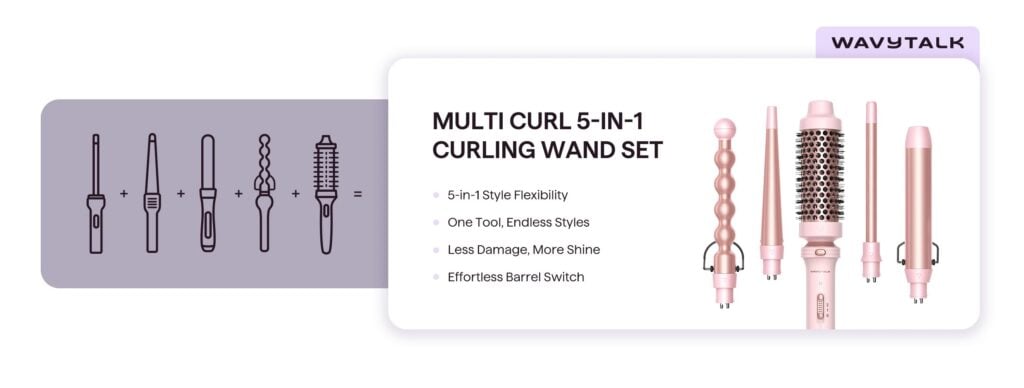
Freshly styled curls often look more structured than the intended finished look. Once they have cooled, the way they are separated makes a substantial difference. Fingers preserve more definition, while a wide-tooth comb or suitable brush can blend sections into broader waves. With a multi-styler from Wavytalk, this finishing stage allows the same basic curl pattern to support several outcomes. A small amount of lightweight serum can reduce flyaways at the ends, but too much can pull down fine hair and soften the shape prematurely. The style also looks more balanced when the left and right sides contain similar section sizes and volume. After the session, attachments should cool completely before being stored. Hair and product residue should be removed according to the care instructions so the heated surfaces remain clean for the next use. Technique, cooling and separation ultimately matter as much as the attachment itself. Next-day refreshes should focus on the few pieces that lost shape instead of reheating the entire head. Selective touch-ups reduce total heat exposure and preserve the variation that makes a multi-styler result look less rigid.