




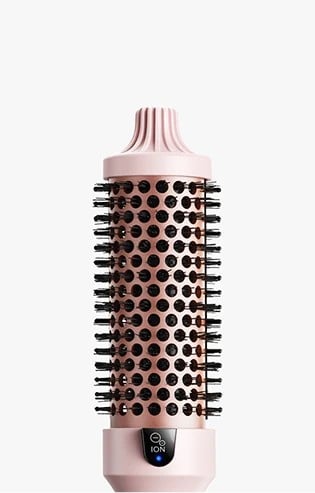
A thermal brush can simplify a blowout because it combines the shape of a round brush with controlled heat in one handheld tool. The result still depends on preparation, section size and the direction in which each pass is made. Hair that is soaking wet, overloaded with product or divided into sections that are too thick is harder to shape evenly. Wavytalk offers an ionic thermal brush designed for blowout styling, making it a useful reference point for understanding what this category can and cannot do. A thermal brush is not a substitute for careful heat management. It works best when the hair is prepared for hot-tool styling, detangled before the first pass and handled in a consistent sequence from the lower layers to the crown.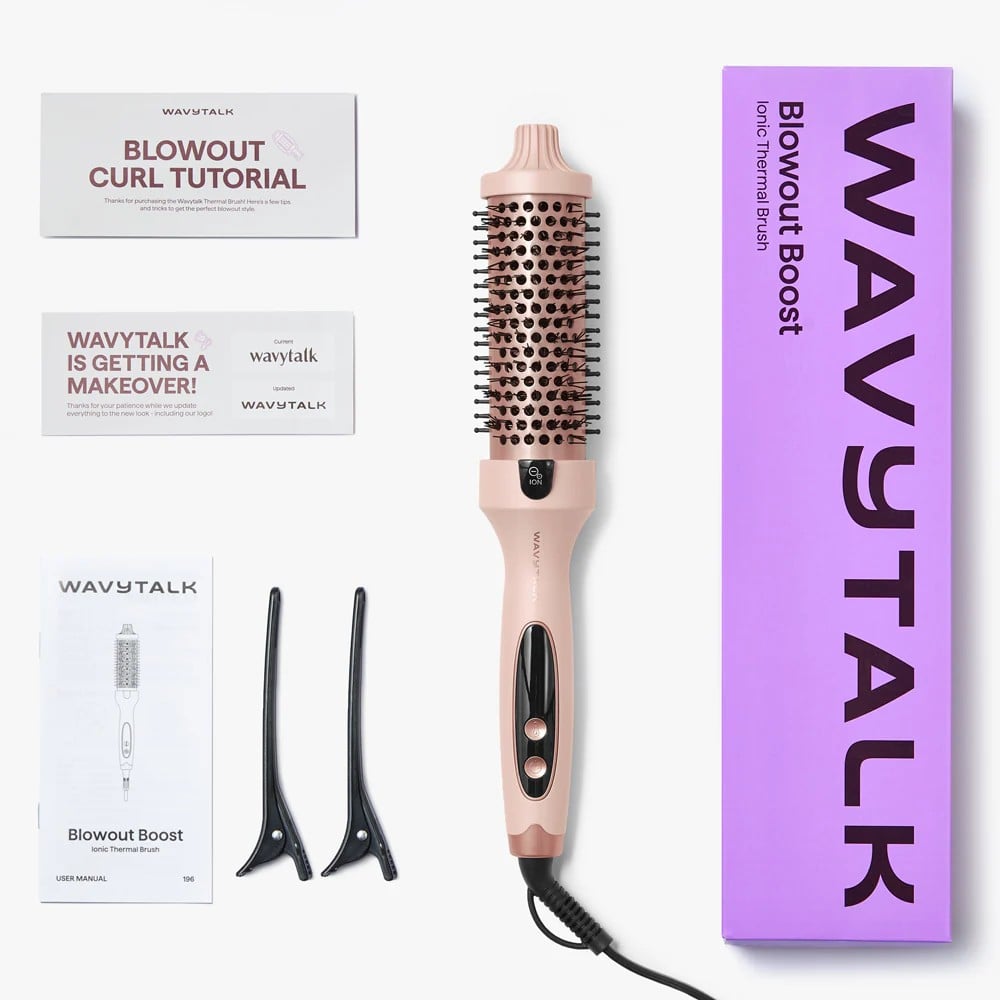
Preparation determines how smooth the finish can look
The most reliable starting point is fully detangled hair that has been dried to the level recommended for the specific tool. A thermal brush is generally intended to shape and polish rather than replace every stage of wet-to-dry styling. Before using a product from Wavytalk, the instructions for that model should determine whether hair needs to be completely dry or only mostly dry. Heat protectant should be distributed through the lengths without saturating the roots. Heavy oils and thick creams can make fine hair collapse before the blowout is finished, while coarse hair may tolerate richer preparation. The hairline and ends deserve particular care because repeated passes in the same place can expose those areas to more heat than the rest of the head. A clean sectioning pattern also prevents already finished strands from being reheated unnecessarily. Brush placement near the root can be practiced without heat first. That quick rehearsal shows how much room is available around the scalp and whether the wrist angle feels natural. It also reduces rushed movements once the tool is hot.
Section size controls tension and shape
A polished blowout is usually easier to build with sections that fit comfortably across the heated surface of the brush. If a section is wider or thicker than the brush can control, the outer strands may receive more heat than the inner strands and the result can look uneven. The thermal brush from Wavytalk uses a round format that can create lift as well as a curved finish, but the technique determines which effect becomes dominant. Lifting the section upward from the root encourages volume, while directing it downward produces a flatter and smoother result. At the ends, a slow turn of the wrist can create a soft bend instead of a straight finish. One or two deliberate passes are preferable to many rushed passes because a controlled movement gives the hair time to take shape without repeatedly exposing it to heat. For hair with mixed textures, one section size may not work everywhere. Denser areas can be divided more narrowly while finer front pieces can remain slightly larger. Consistent tension matters more than making every section mathematically identical.
A simple order keeps the blowout consistent
Working randomly around the head makes it difficult to remember which areas have already been styled. Wavytalk can be incorporated into a repeatable sequence that starts at the nape and moves upward, leaving the front sections for the end. Four practical habits make that sequence easier to maintain. A clip system helps keep hot sections separate from unstyled hair. Metal clips should not be placed where they can contact the heated barrel accidentally. Lightweight sectioning clips make the sequence easier to see and reduce unnecessary handling.
- Each section should be detangled before the heated brush touches it so knots do not interrupt the pass.
- The brush should move steadily from roots toward ends instead of remaining stationary on one area for an extended period.
- Finished sections should be placed away from unstyled hair so they are not heated repeatedly while another layer is being shaped.
- The front and crown can be styled last because those areas usually need the most deliberate direction and lift.
Cooling and finishing protect the shape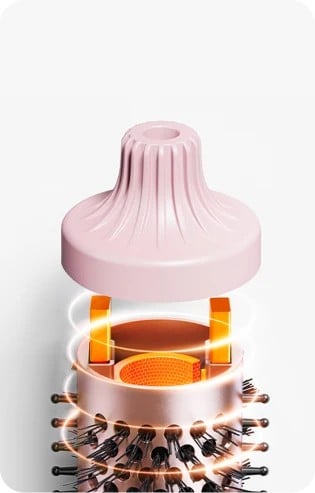
A blowout is not finished the moment the heated tool is switched off. Hair often holds a curved shape more effectively when a section is allowed to cool before it is brushed out or handled heavily. After using Wavytalk, finished sections can be left undisturbed for a short period while the remaining hair is styled. A lightweight finishing product can then be applied only where needed rather than coating the whole head. If the roots look flat, more product is rarely the answer. The section angle and the amount of lift used during styling are more useful adjustments. Regular cleaning of the brush is also important because hair, dust and product residue can collect around the heated surface. A polished result comes from consistent preparation and controlled movement, not from using the highest possible temperature or repeating passes until the hair feels rigid. If the style is meant to last through humidity or movement, finishing should stay light. Heavy product can collapse root lift. A small amount placed on the ends and flyaways often preserves the blowout shape better than coating the full length.